
‘One Piece’, ‘Dragon Ball’ Series Director Says Western Audiences Love Anime Because They’re “Tired Of Disney-Style Predictable Harmony In Animation”

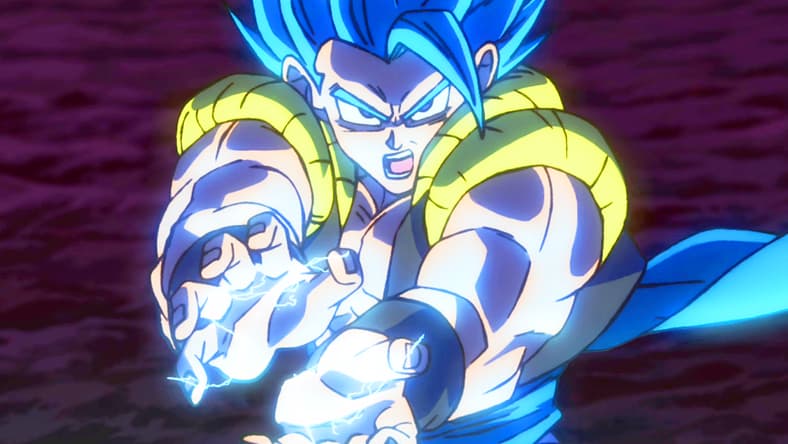
In offering his two cents on the medium’s ever-growing worldwide popularity, noted Dragon Ball and One Piece series director Tatsuya Nagamine believes that Western audiences have become so interested in anime because local animation productions – particularly those that came out of Hollywood – are too afraid to break the “Disney-style” formula of storytelling.
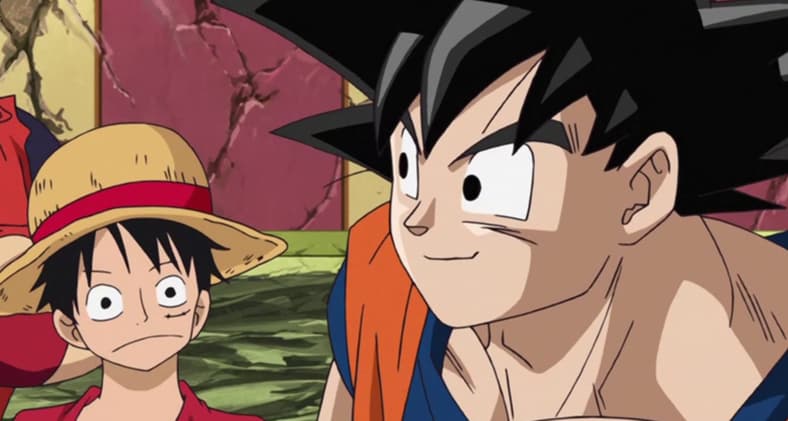
A veteran Toei Animation director whose credits include Dragon Ball Super (Eps. #77-131), One Piece (#892-1122), Powerpuff Girls Z, and the cinematic outings One Piece Film Z and Dragon Ball Super, Nagamine shared his thoughts on the rapid growth of the Western anime fandom during a recent interview on the topic given to the Japanese news outlet President Online.
Speaking to his over 30+ year experience in the industry, the director recalled that thanks to Western audiences needing to be outright impressed by a given anime in order to give the medium any due, it thanks to the digitization of production work in the late 90s that it became financially feasible to produce such high-quality works en masse.
“Until now, a 20-minute anime was produced with 3,000 to 3,500 drawings,” he explained, per a machine translation of his interview provided by DeepL. “Even in a digital environment, it took three months and 100 to 200 people to draw 3,000 drawings.”

“Now, the number of drawings exceeds 10,000. The number has increased because the drawings are more detailed and the characters’ movements have become more precise. The increased precision in artwork is both a demand from viewers and a result of competition among animation companies. Without high quality, you can’t win. Additionally, when considering the overseas market, you have to keep improving quality.
“The animation market is global. When a new anime is created, creators from around the world gather, saying, ‘This looks interesting.’ Overseas creators who grew up watching One Piece apply online. There are people who have become famous by working on Japanese animation while living overseas.
“Nowadays, niche anime can be produced by a small team in about three months. If released overseas, it can easily generate 100 to 200 million yen.”
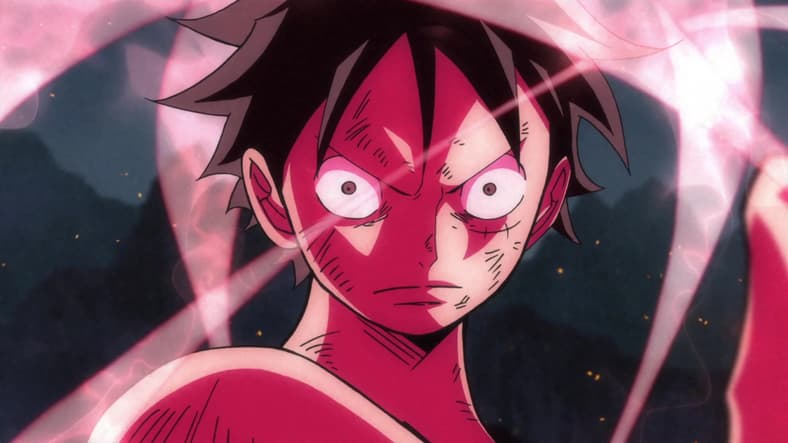
To this end, Nagamine then posited that while the lowering of costs made anime easier to produce and share, it was the visual and narrative novelty of the resulting works, especially when compared to the ‘Disney rehash’ of almost every Western studio, that endeared it to overseas audiences.
“For example, if you watch a fashion show by a French designer, you’ll see outfits that are almost nude, French creators come up with designs that make you think, ‘I can’t wear that.’ Japanese anime creators are like French fashion designers: the whole world eagerly awaits their strange and extraordinary creations.
“Also, Japanese anime is mainly broadcast on television, so it changes every three months. There’s a whole range of different works being produced one after the other. It’s not predictable like Disney. I think overseas anime fans are already tired of Disney-style predictable anime.
“Why is Japanese anime popular worldwide? It’s because of its eccentric works. The unique appeal of unpredictable, bizarre content is currently exclusive to Japanese anime.”
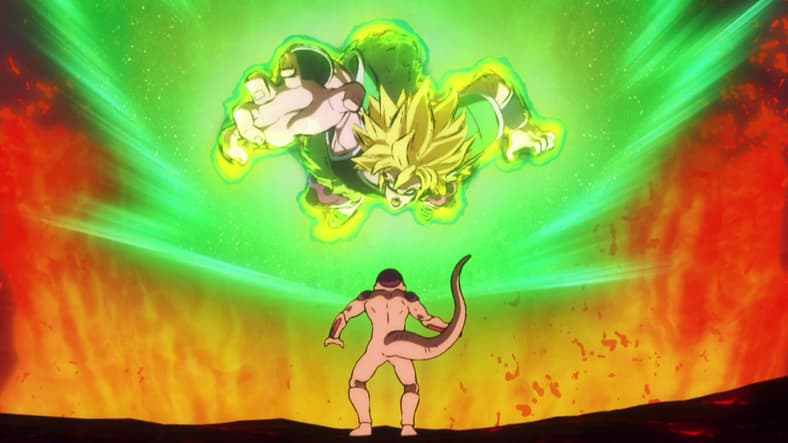
And more than just one man’s opinion, Nagamine’s thoughts were echoed by Toei Animation Director Shinji Shimizu, who in offering his own thoughts to President Online asserted, “As Director Nagamine said, there are many people overseas who are tired of Disney animation.
“In the past, America wouldn’t show animation from other countries, especially Japanese animation, in its cinemas. There was a confidence that Disney was American animation, and a cold view of Asians. Also, Japanese animation comes from manga, right? Characters are carefully drawn. Disney, on the other hand, has a set story. The story must always have a happy ending.
“However, Japanese anime is made in a way that even adults can understand, such as the main character dying midway through, or a character thought to be a bad guy turning out to be a hero. Japanese anime started out as a niche industry, so it’s free to do whatever it wants. There is a demographic in America that is tired of Disney, and these people have started to support Japanese anime, saying, ‘Japanese anime is great.’
“I think the change came from France. With the release of Captain Tsubasa, Grendizer, and Captain Harlock, French and Italian boys realized that Japanese anime was different from Disney anime. Japanese anime wasn’t just about serious, kind-hearted characters like in Disney, but also about soccer and battles between robots. Boys found that kind of thing interesting. Girls watched Candy Candy and Sailor Moon and realized they were a different kind of animation from Disney. Then, Dragon Ball and One Piece increased the number of fans of Japanese anime.”
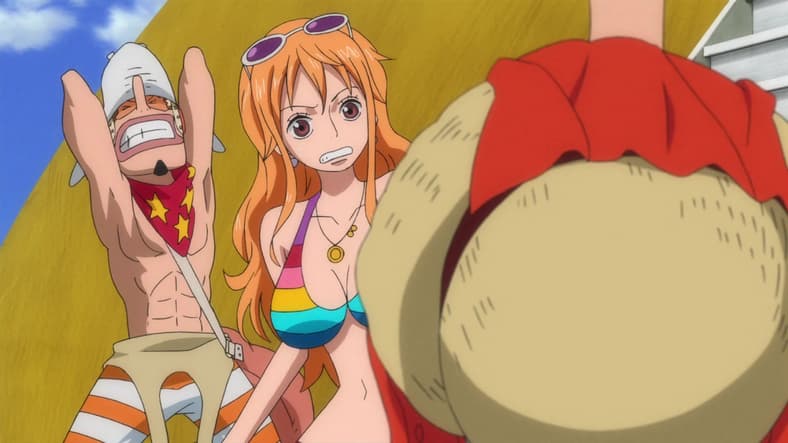
Finally, the producer behind such notable outings as Daft Punk’s Interstellar 555, Dragon Ball Z: Battle of Gods and Resurrection F, and every one of One Piece‘s cinematic efforts closed out the discussion with a general ‘lay of the land’ regarding the past, present, and future of international anime relations.
“Starting in France, the Middle East, Asia, and South America are becoming one world through anime. The United States has also changed. People are coming to like Japan through anime.
“Japanese anime is also popular in China. However, monster-themed anime like GeGeGe no Kitaro doesn’t work. It’s not that it’s bad, but Chinese people just don’t accept monsters and ghosts. But Ikkyu-san is super popular. We even got an offer from China to make an anime where pandas and Ikkyu-san star together.
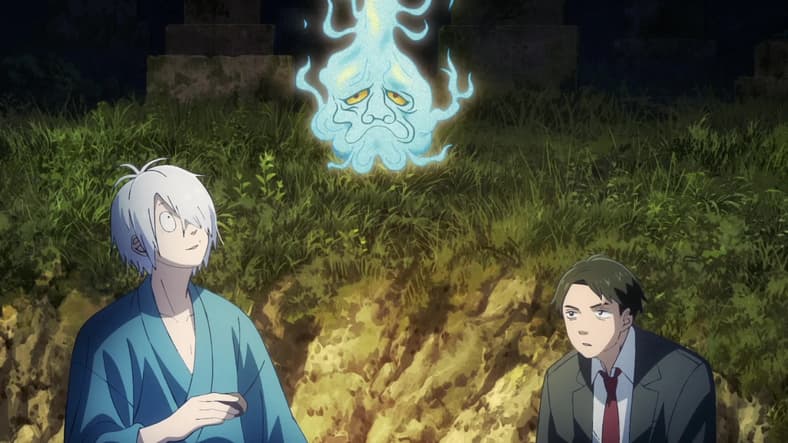
“The only place in the world where Japanese anime hasn’t made it is parts of Africa. Even Ukraine and Russia are watching Japanese anime now. Latin countries like France, Italy, and Spain watch Japanese anime. Germany and the UK aren’t as into it. There are otaku, but they’re not anime fans. France is definitely the top. Shigeru Mizuki’s war manga [Sōin Gyokusai Seyo! (Eng. Onward Towards Our Noble Deaths)]won the Best Comic Award at the 2009 Angoulême International Comics Festival. Even such a low-key manga is appreciated by the French. French people must have a very similar sensibility to Japanese people.
“What the world is paying attention to is Japanese culture within anime. Not kabuki or sumo, but ordinary life. Currently, middle and high school life is in the spotlight. Japanese middle and high school students wear uniforms and enjoy school life. Moreover, children have been commuting to school alone by train since they were young. In Europe, parents take their children to school, but in Japan, children can go alone. That’s what people are watching. Japanese anime has gained popularity worldwide by visually depicting aspects of Japanese life that don’t exist overseas.”
