
From Mr. Freeze To Catwoman, Here Are The 7 Most Misunderstood Batman Villains

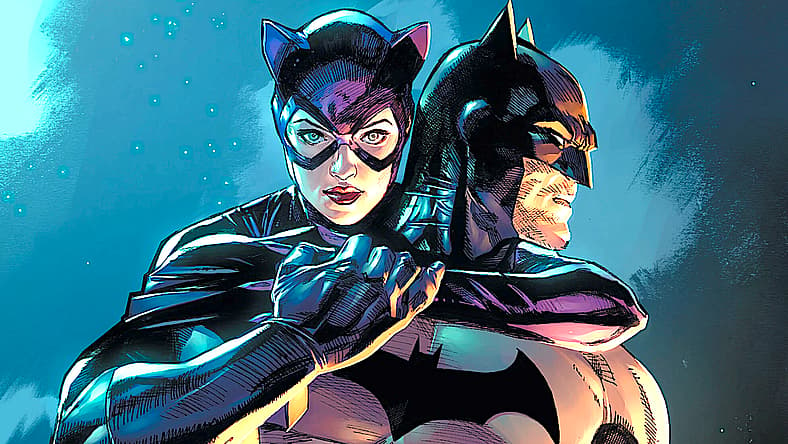
Gotham is a crucible that forges both supervillains and superheroes but, as Batman’s rogues gallery keeps growing, it is prudent to reexamine the perception of some villains perpetuated by pop culture.
The current view of many Batman villains was shaped by their portrayal in films like Batman & Robin and Tim Burton’s cinematic take on the Caped Crusader. However, the onscreen versions of these villains are often widely mischaracterized, as many are a lot less sinister and not inherently evil in their comic book counterparts.
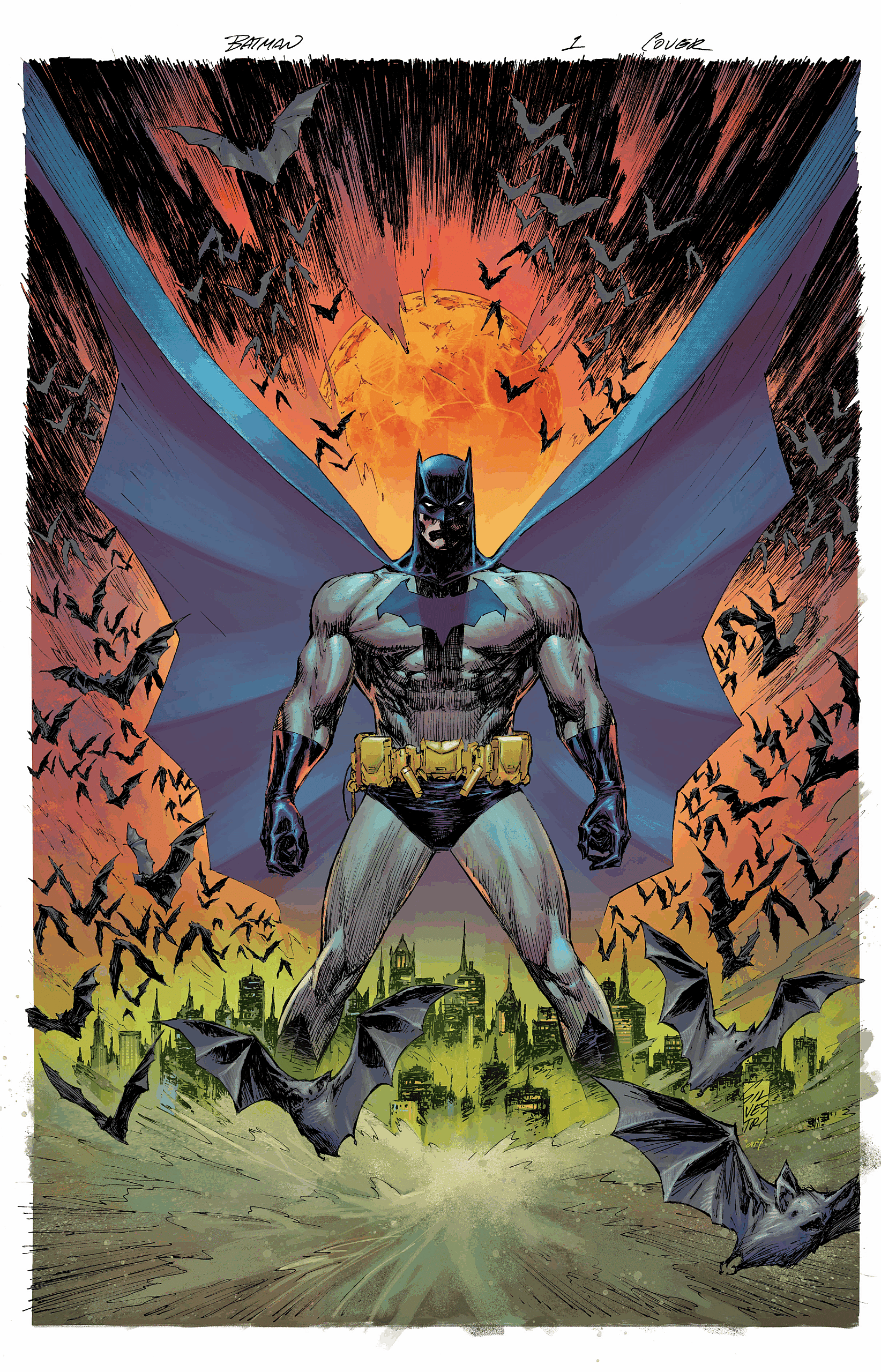
The grey line is obviously a constant where these characters are concerned but, based on their backstory, it is fair to say that they are not inherently evil. From well-meaning individuals whose heroic adventures turned tragic to unfortunate victims of mental illness, here are the seven most widely misunderstood Batman villains.
Mr. Freeze (Victor Fries)
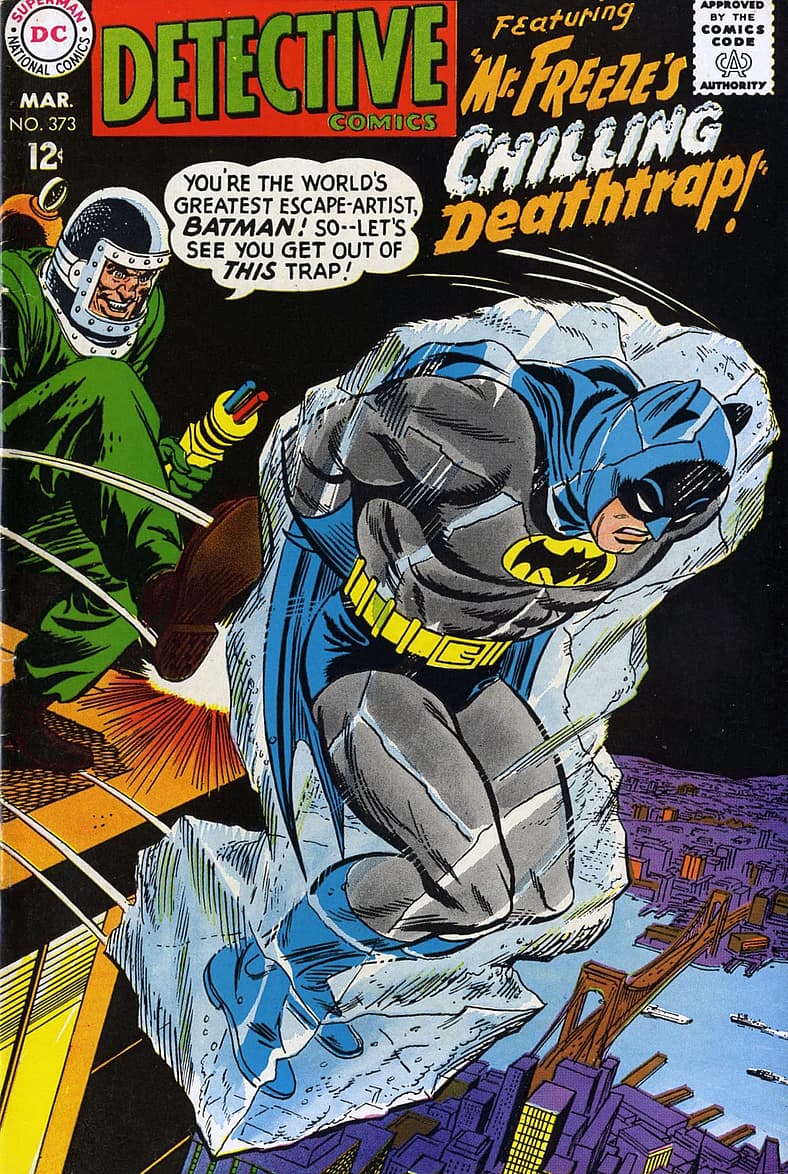
Arnold Schwarzenegger portrayed the widely unpopular version of Mr. Freeze in Batman & Robin, but the film character has very little in common with Post-Crisis Mr. Freeze in the comics. In the books, Victor Fries only resorts to cryonics as a means to save his terminally ill wife, Nora. His mission is so noble that a branch of Wayne Enterprises funds his research.
After being betrayed by his boss — causing an accident that kills Nora and forces him to depend on a cryonic suit to survive — Mr. Freeze goes on a revenge mission. He largely directs his anger at the wrong people and later descends too deeply into villainy, which is unfortunate. However, given the chance, the intelligent cryogenicist would rather spend his entire life preserving people in ice until a cure for their conditions is discovered; a noble cause that is no longer associated with him.
Poison Ivy (Pamela Isley)
RELATED: From Hush To Hugo Strange, Here Are 8 Villains We Could See In ‘The Batman — Part II’
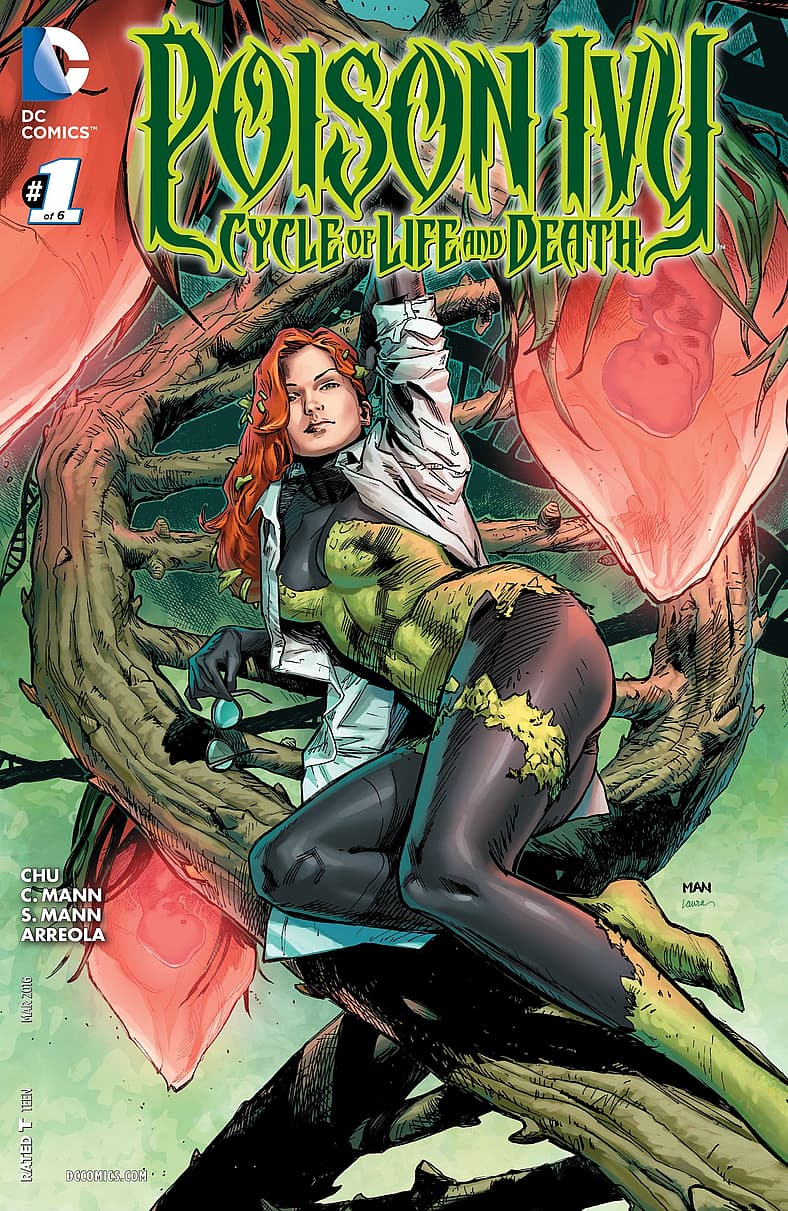
Largely seen as DC’s deadliest ecoterrorist, Poison Ivy is another character whose public perception was shaped by the poorly written version of the character in Batman & Robin, as played by Uma Thurman. In the comics, Dr. Pamela Isley cares deeply about the planet and doesn’t go after anyone who doesn’t deserve it. While she is widely portrayed as a femme fatale who would see the planet be left to plant life only at the expense of humans in the movies, Ivy has a strong motherly instinct, too, as seen when she takes in orphans and the homeless multiple times in the books.
She still has to fight with Batman because her philosophy doesn’t have a place in the real world yet, but she can hardly be considered Gotham’s biggest problem. It is fair to say that if corrupt government officials and greedy corporations didn’t conspire to destroy the planet, Poison Ivy would never hurt anyone; making her the most important anti-villain in the Batman rogues’ gallery.
Harley Quinn
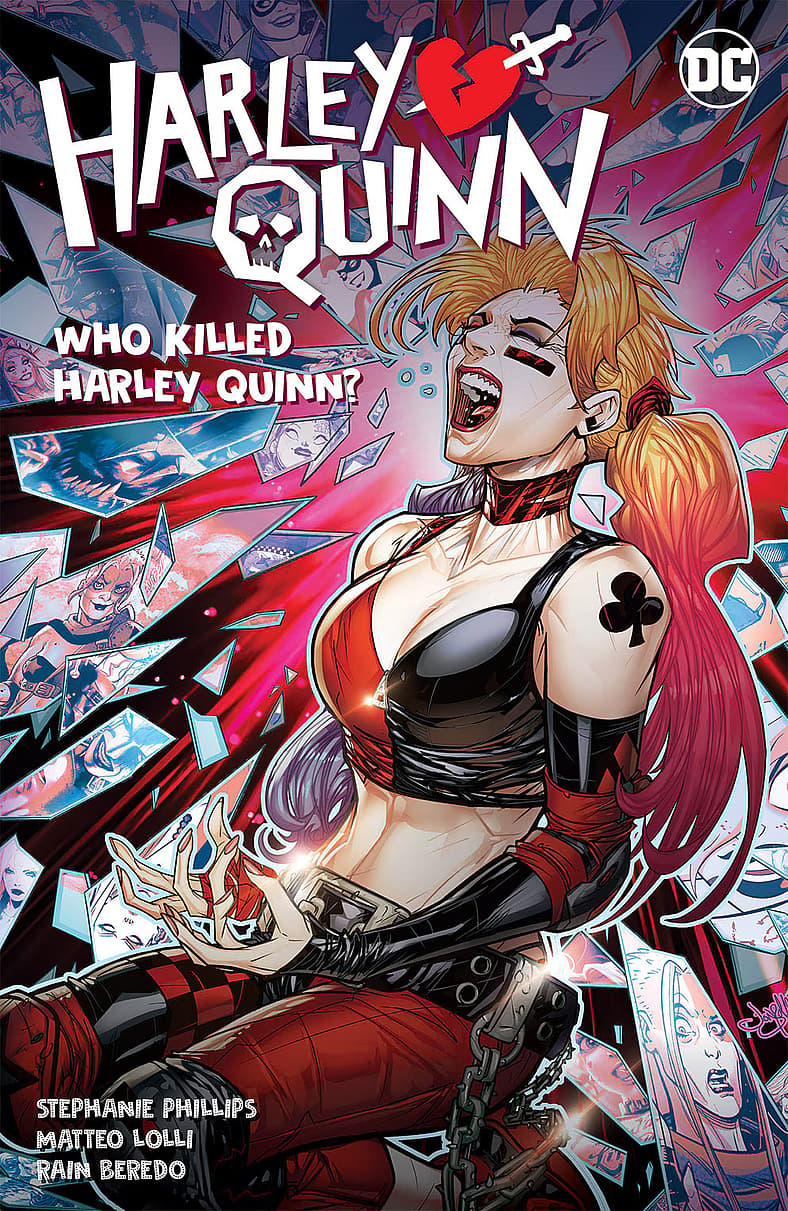
After years of playing the Joker’s sidekick, Harley Quinn has been liberated to become practically the fourth pillar of the DC Universe. In her early years, Quinn was just an ambitious psychiatrist at Arkham who made the mistake of falling in love with The Joker. She lived in the Joker’s shadow for years, becoming defined by his crimes and basically appearing as an extension of him.
Her liberation has exposed Quinn as nothing more than the victim of childhood trauma and lifelong abuse. Her deep desire to be seen was weaponized by her evil boyfriend, who was willing to turn her into a monster just to keep her under his control. The liberated version of Harley Quinn has become a fan-favorite DC antihero, with the live-action version played by Margot Robbie in Suicide Squad (2016), Birds of Prey (2020), and The Suicide Squad (2021), deservedly transforming public perception of the character.
Catwoman (Selina Kyle)
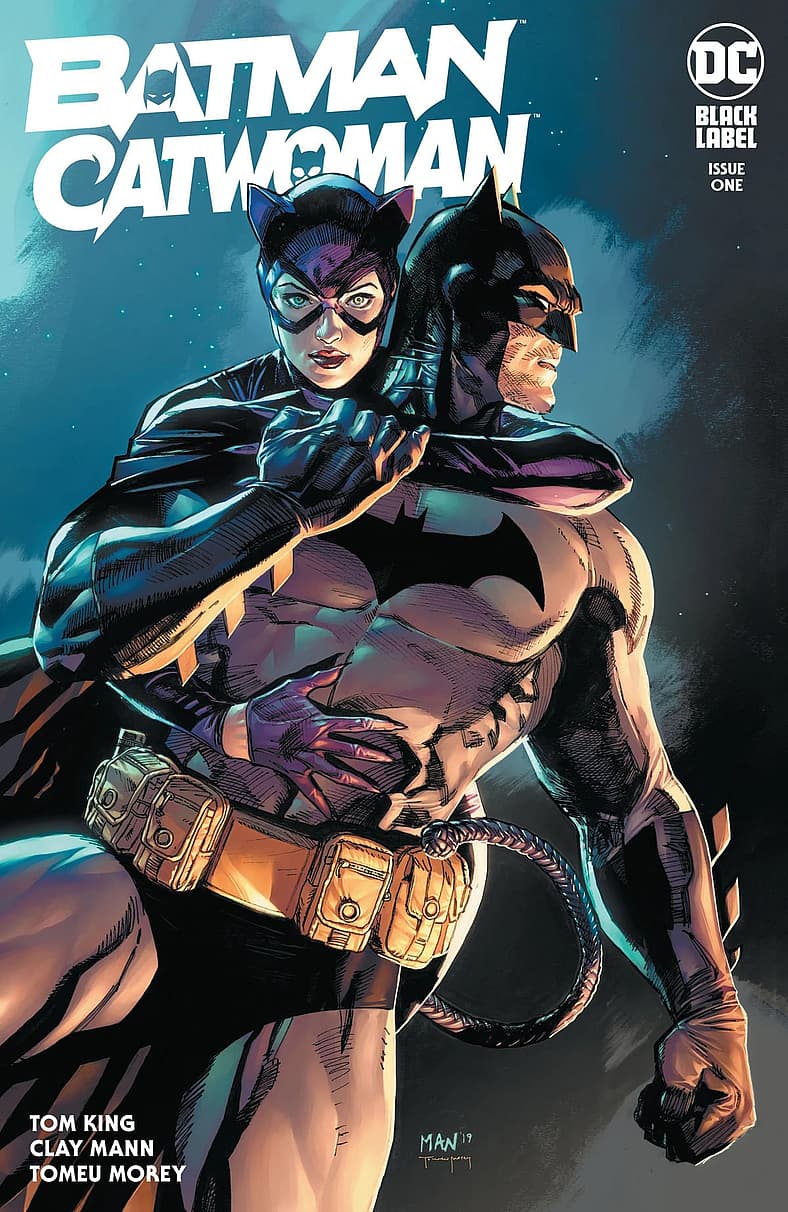
Pop culture shaped Selina Kyle as nothing more than a jewel thief and a criminal femme fatale for years, despite being one of the most complex villains in DC comics. Growing up in a dysfunctional family with an abusive father was only the beginning of her struggles. However, despite experiencing lots of violence and witnessing horrific murders all her life, Selina remains one of the few Batman villains who won’t kill even their worst enemies. She doesn’t relish Gotham’s crime and violence either, which is why she doesn’t side with either the Joker or the Riddler.
She is still selfish, which is why she steals, although she mostly targets corrupt officials and criminals. Since becoming Batman’s love interest, Catwoman’s antihero persona has become common knowledge, as people don’t see her as a villain anymore. Batman even proposes to her because she reminds him of the good that still exists in the most damaged side of Gotham.
Killer Croc (Waylon Jones)
RELATED: From ‘Companion’ To ‘Together’ — The Most Underrated Horror Movies Of 2025 (So Far)
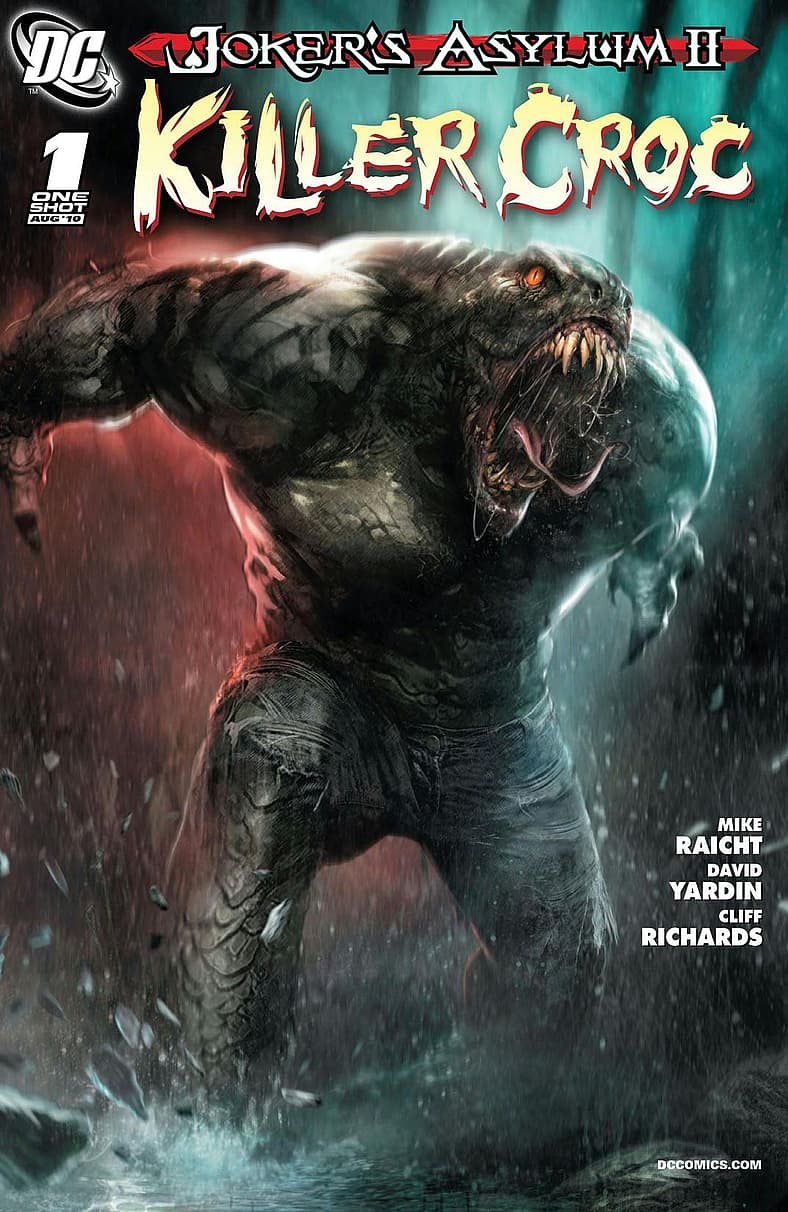
Killer Croc is another Batman villain whose redemption arc in the comics has gained a lot of popularity as the comics move further away from the trope villain seen on the screens. Waylon Jones has been the victim of neglect and abuse since his birth, all because of epidermolytic hyperkeratosis; a condition he has absolutely no control over. He does have criminal tendencies, although he only goes after people who have hurt him; unless he suffers a mental breakdown or gets exposed to experimental compounds, which results in his infamous murder sprees. However, at his core, Jones is a calm person who would always choose peace over violence.
Unfortunately, he always finds himself on the wrong side of Gotham’s underground, where many criminals like Bane and The Joker manipulate him to serve their selfish needs. In the end, Killer Croc is forced to become the monster that Gotham seems to so desperately want him to be. Given a choice and a little acceptance, he would be happy to live a normal life elsewhere.
Clayface (Basil Karlo)
RELATED: From ‘Superman & Lois’ To ‘Daredevil’, Here Are The 7 Best Superhero TV Show Finales Of All Time
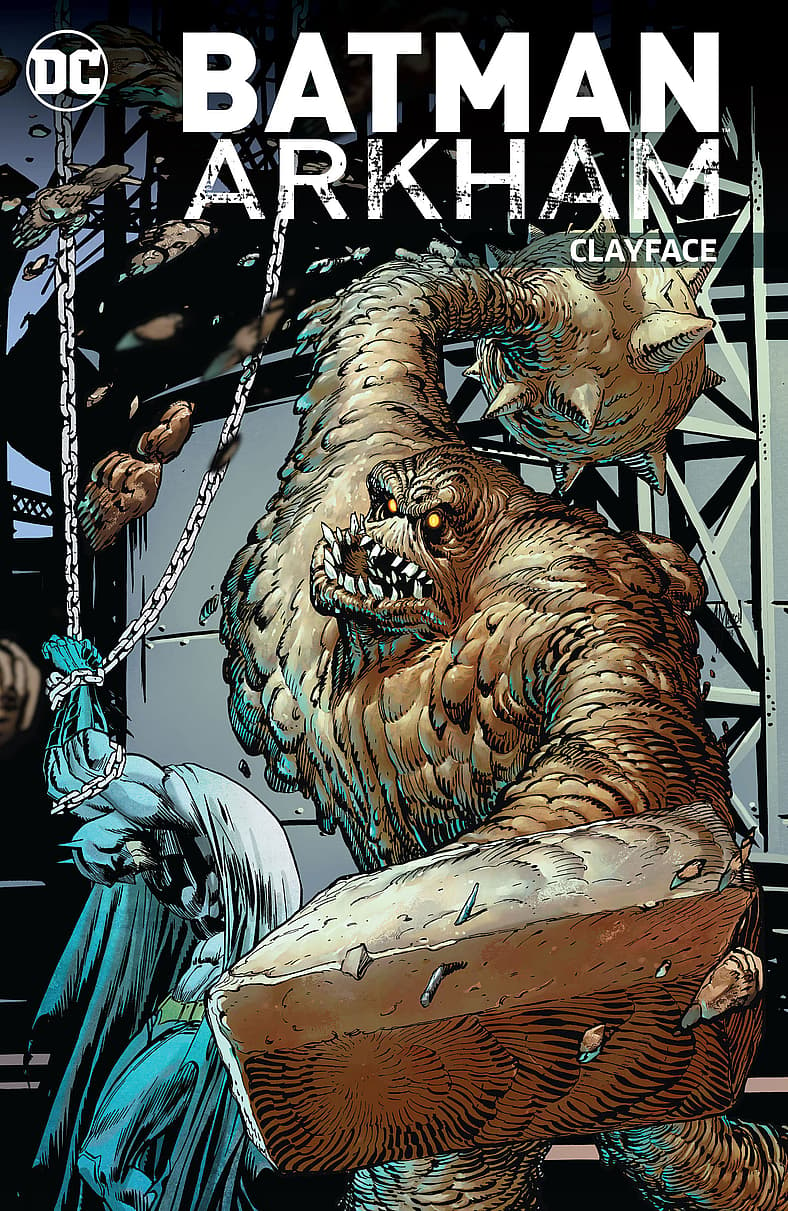
Basil Karlo is another Batman rogue with a tragic story that leads to villainy, but who totally remains redeemable, unlike the senseless Batman villain portrayed by his onscreen versions. Most film versions present Karlo and Matt Hagen by extension, though horror-inspired transformations with the capability to destroy cities, but underneath, Clayface really is just a lost soul struggling with trauma, identity crisis, and uncontrollable power.
Post-Prime Earth, Karlo’s thriving acting career is ruined when he is disfigured by a road accident, leading to dependence on Reno, the chemical that later gives him his monstrous appearance. With his perfect life gone, Karlo struggles to come to terms with his new reality as Clayface; leading to his descent into a life of crime. However, he doesn’t lose touch with humanity even in his darkest moments, which is why his redemption arc is popular in the comics.
Bane
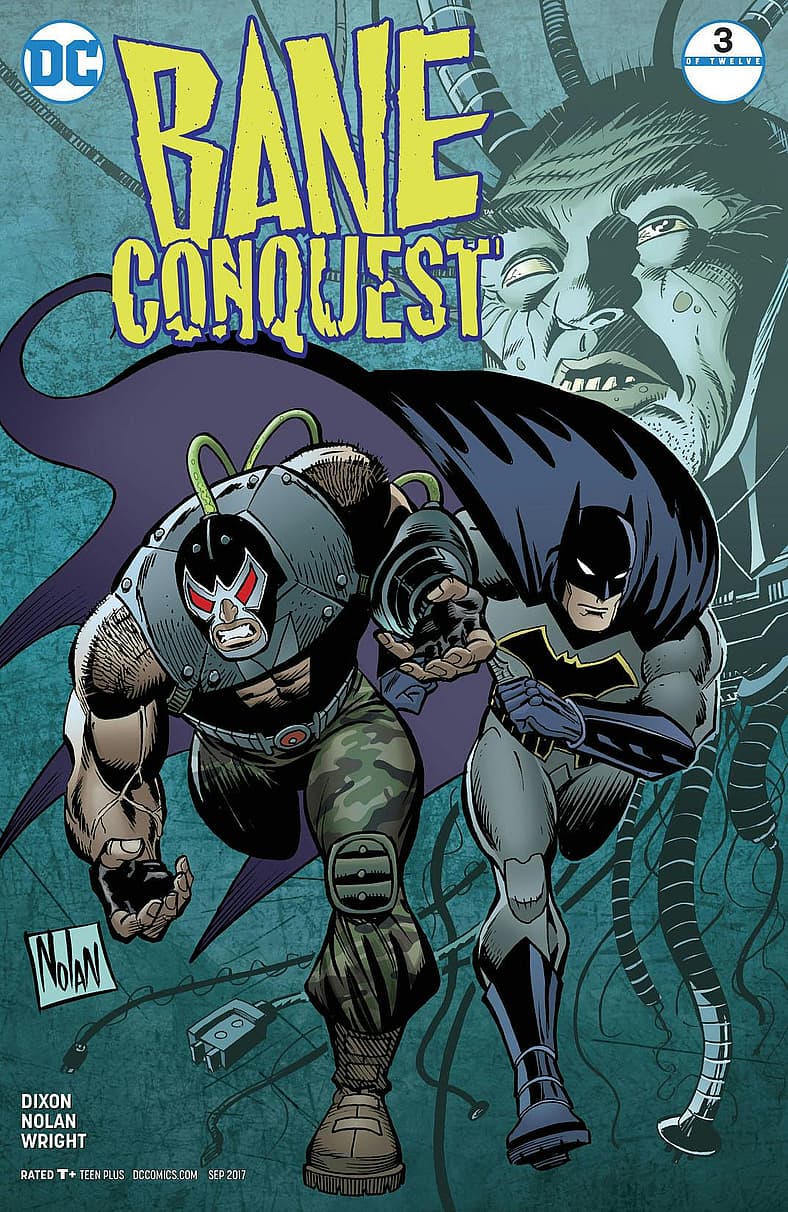
From a mindless brute (Batman & Robin) to a revolutionary zealot (The Dark Knight Rises), Bane’s portrayal in pop culture rarely reflects the multilayered character presented in the comics, who is only fighting for freedom the only way he knows how. Bane has one of the most tragic origin stories in the DC Universe, starting in Peña Duro prison in the Caribbean island of Santa Prisca, where he was forced to serve a life sentence for his father’s crimes.
Being used as the experimental subject of Venom turns him into an addict and, while it enhances his physical strength, it also leads to his mental breakdown. In the beginning, Bane only picks a fight with Batman, believing it to be his destiny after the bat nightmares he had in prison. He has a change of mind when he realizes that Batman is not his enemy. Whenever he gains control of himself, Bane always chooses peace over war and even fights alongside Batman to stop some of Gotham’s biggest threats.
NEXT: From General Zod To Bizarro, Here Are The 6 Most Misunderstood Superman Villains
