
Texas Comic Shop Pulls ‘Dragon Ball’ Manga From Shelves Out Of Caution For New State Censorship Bill

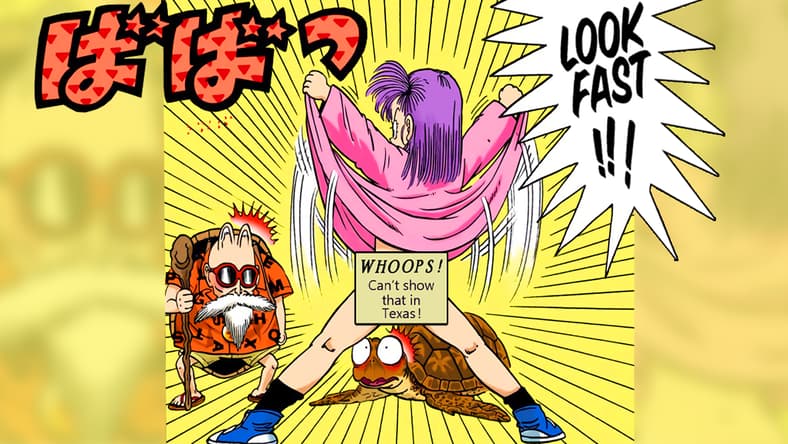
In further proof that blanket censorship, no matter how ‘well-intentioned’, will always have chilling consequences for human expression, a Texas comic book store has voluntarily chosen to stop selling early Dragon Ball manga volumes for fear that its contents could net him massive criminal penalties under the state’s newly effective – and vaguely defined – SB20 censorship bill.
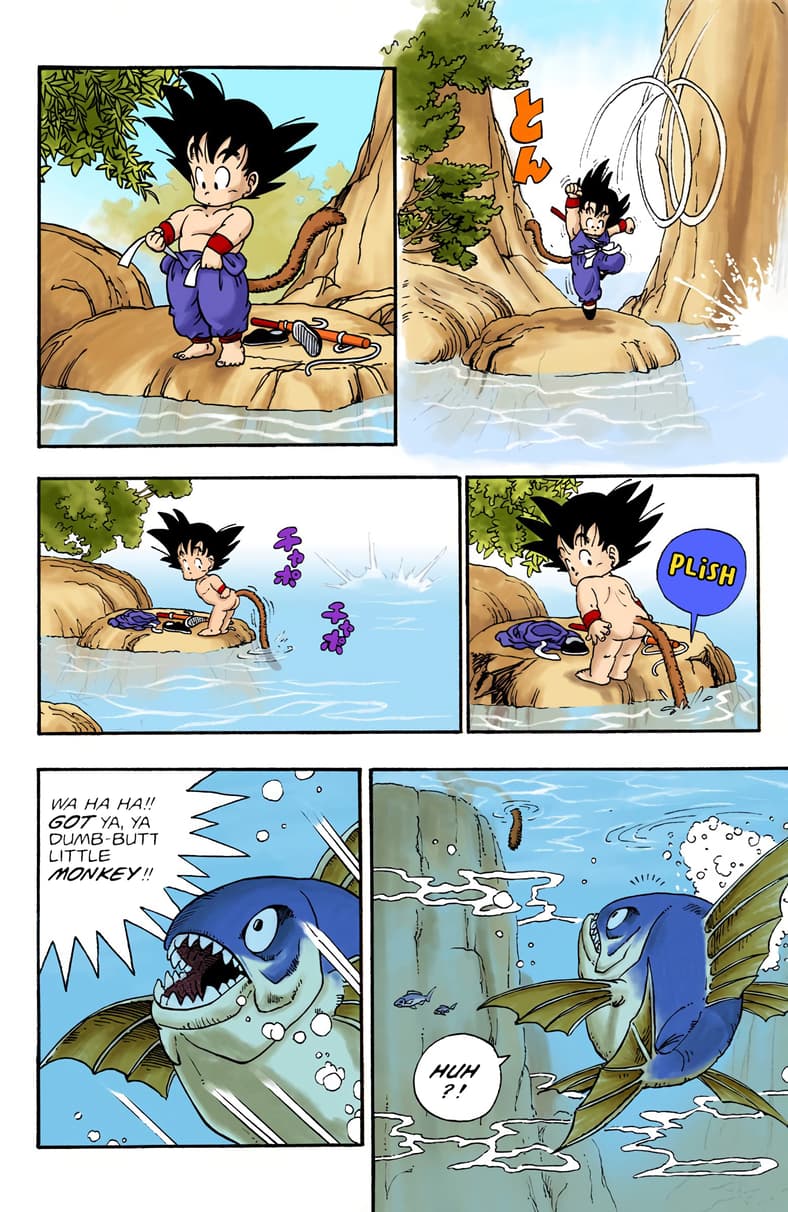
Marketed by supporters as a legal tool for stopping the production of AI generated child abuse materials, Texas SB20 makes it a felony offense for an individual within the Lone Star state to “knowingly possess, access with intent to view, or promotes obscene visual material containing a depiction that appears to be of a child younger than 18 years of age engaging in [obscene] activities, regardless of whether the depiction is an image of an actual child, a cartoon or animation, or an image created using an artificial application or other computer software.”
But rather than only targeting material based on real-world children, as determined on a rigorous set of scientific and academic criteria, the bill instead targets anything that even “appears to be” offensive – with the determining body being nothing more than the personal determinations of the state’s heavily-religious and conservative-leaning population.
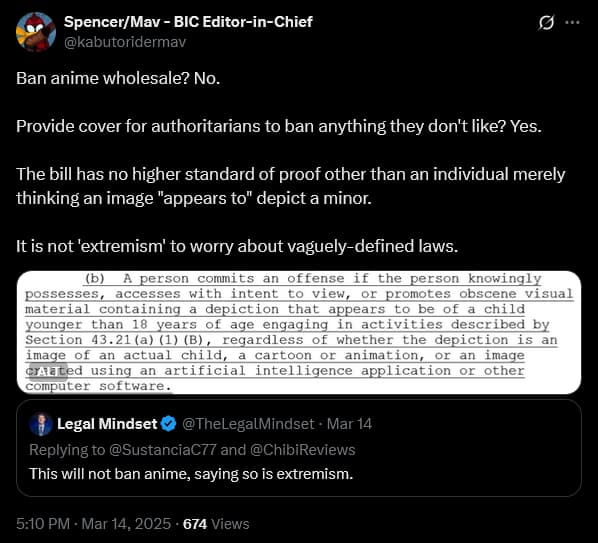
In more layterms, I’ll share what I wrote in May regarding the bill’s specific ramifications for anime:
“[Will the bill] Ban anime wholesale? No. Provide cover for authoritarians to ban anything they don’t like? Yes.
“The bill has no higher standard of proof other than an individual merely thinking an image “appears to” depict a minor. It is not ‘extremism’ to worry about vaguely-defined laws.
“Supporting bills whose terms come down to ‘vibes’ allows actual extremists – in this case puritan ones – carte blanche to silence expression. Chibi art, characters like Uzaki-chan [of Uzaki-chan Wants to Hang Out!], a drawing of pre-timeskip Nami [from One Piece] in a bikini – all of these could trigger the bill.”
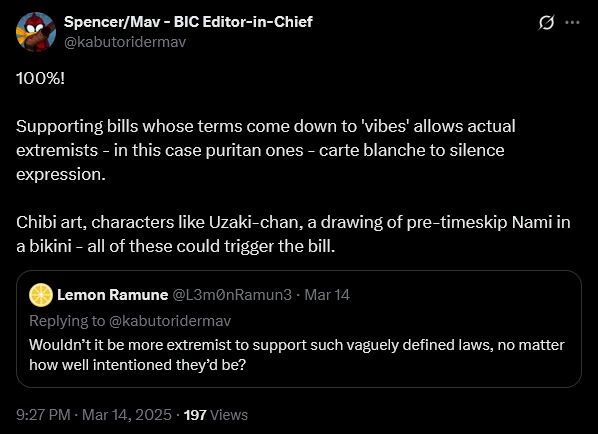
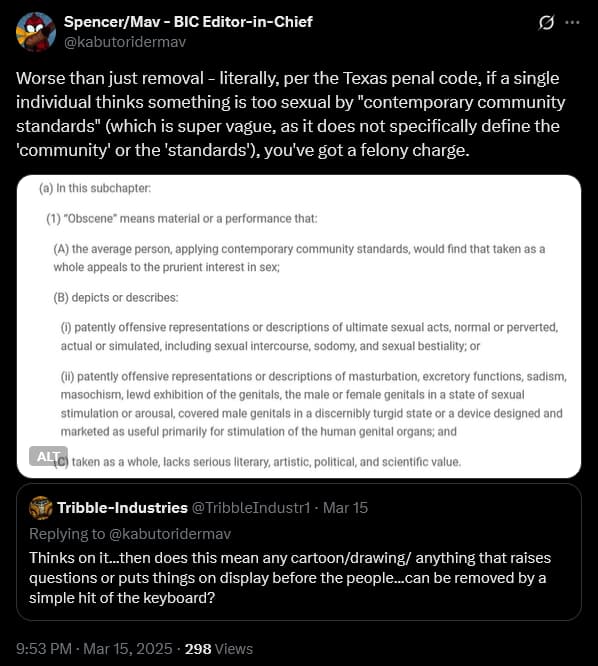
“Worse than just removal – literally, per the Texas penal code, if a single individual thinks something is too sexual by “contemporary community standards” (which is super vague, as it does not specifically define the ‘community’ or the ‘standards’), you’ve got a felony charge.”
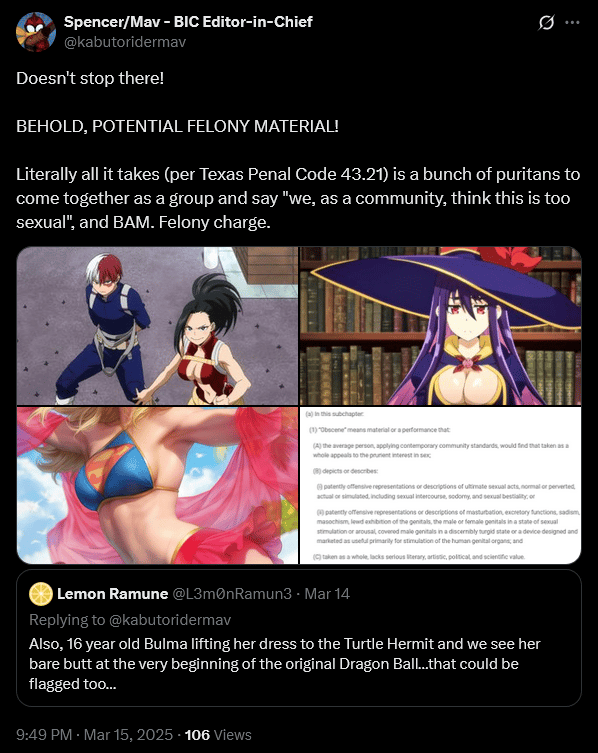
“Literally all it takes (per Texas Penal Code 43.21) is a bunch of puritans to come together as a group and say “we, as a community, think this is too sexual”, and BAM. Felony charge.
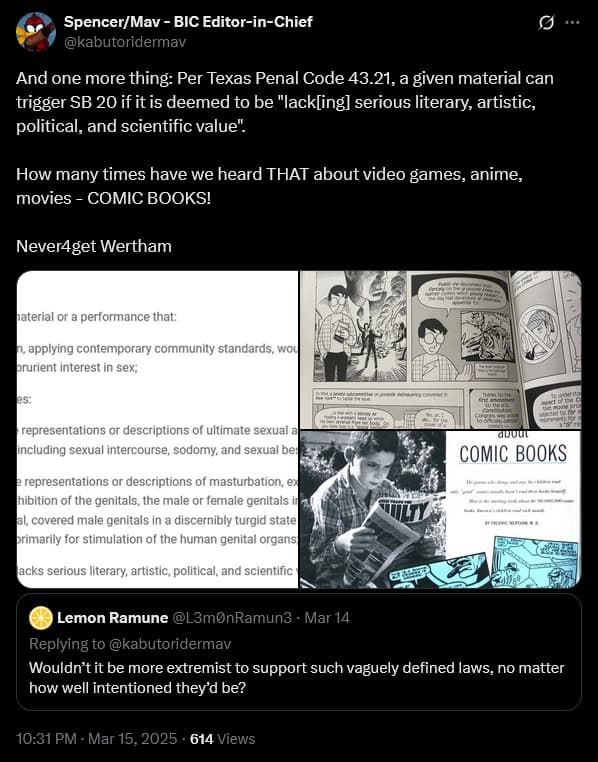
“One more thing: a given material can trigger SB 20 if it is deemed to be “lack[ing] serious literary, artistic, political, and scientific value”. How many times have we heard THAT about video games, anime, movies – COMIC BOOKS! Never forget [Frederic] Wertham [the psychiatrist whose panic over the content in comic books led to the establishment of the regulatory Comics Code Authority].”
Sadly, despite the protestations of many, the bill unanimously passed both chambers of the Texas Legislature, from there being signed into law by Governor Greg Abbott on June 20th and finally going into effect on September 1st.
And it was in light of the bill’s vague provisions that, on June 9th, local Rio Grande, Texas news affiliate ValleyCentral.com learned of Kaboom Comics manager Andrew Balderas’ pre-emptive Dragon Ball removal.
“When I first heard it was against AI generating inappropriate stuff like that – by all means, it doesn’t need to do that,” he told the outlet’s Brian R Svendsen. “But yeah, it is going to affect things that had no intention in that way, whatsoever.”
“I saw people posting that it was going to affect a lot of anime, manga stuff because it would show culturally inappropriate things on certain characters and stuff, and it would fall underneath that bill. That’s when I realized it was going to affect stuff here.”
“There’s so much media nowadays, you can’t watch every single thing or read everything, so I don’t know what characters are shown inappropriately, at what ages, and whatnot. It would definitely be more like in-detail research on certain franchises, if they’re going to be affected or not.”
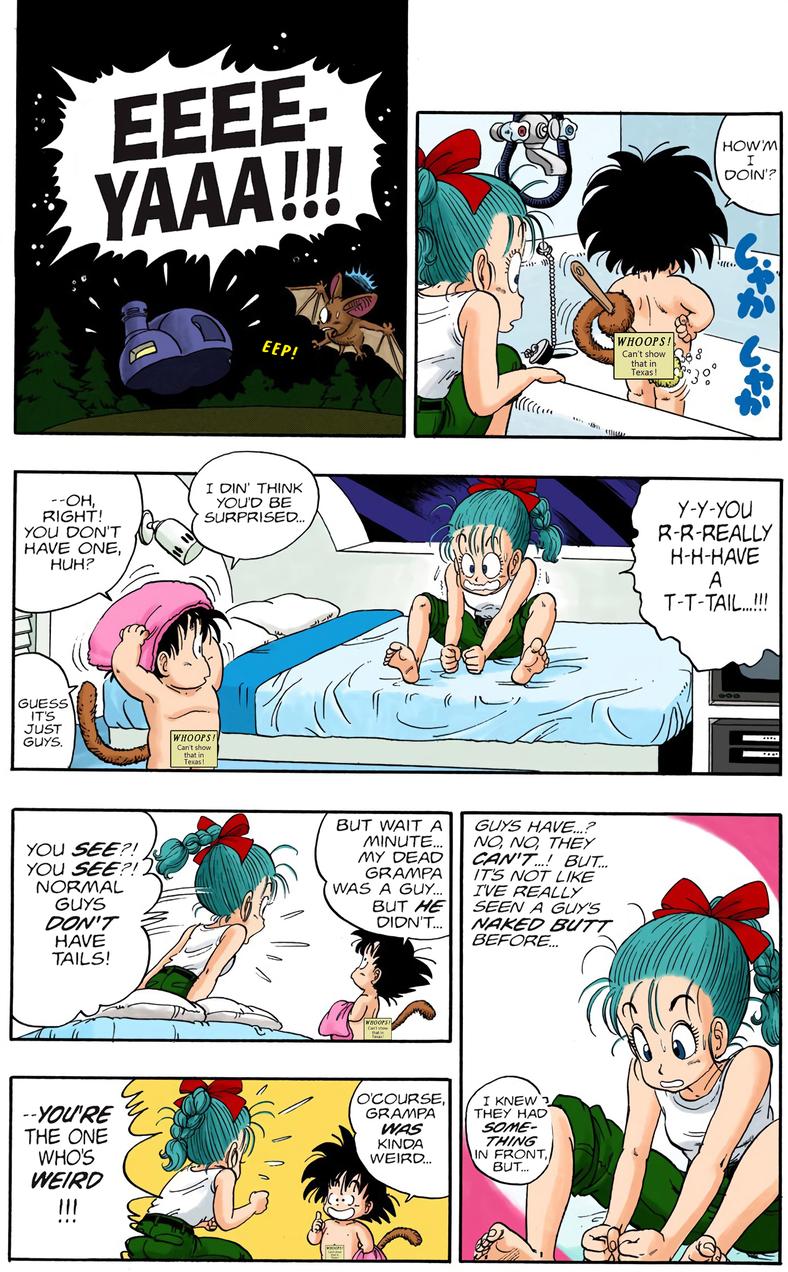
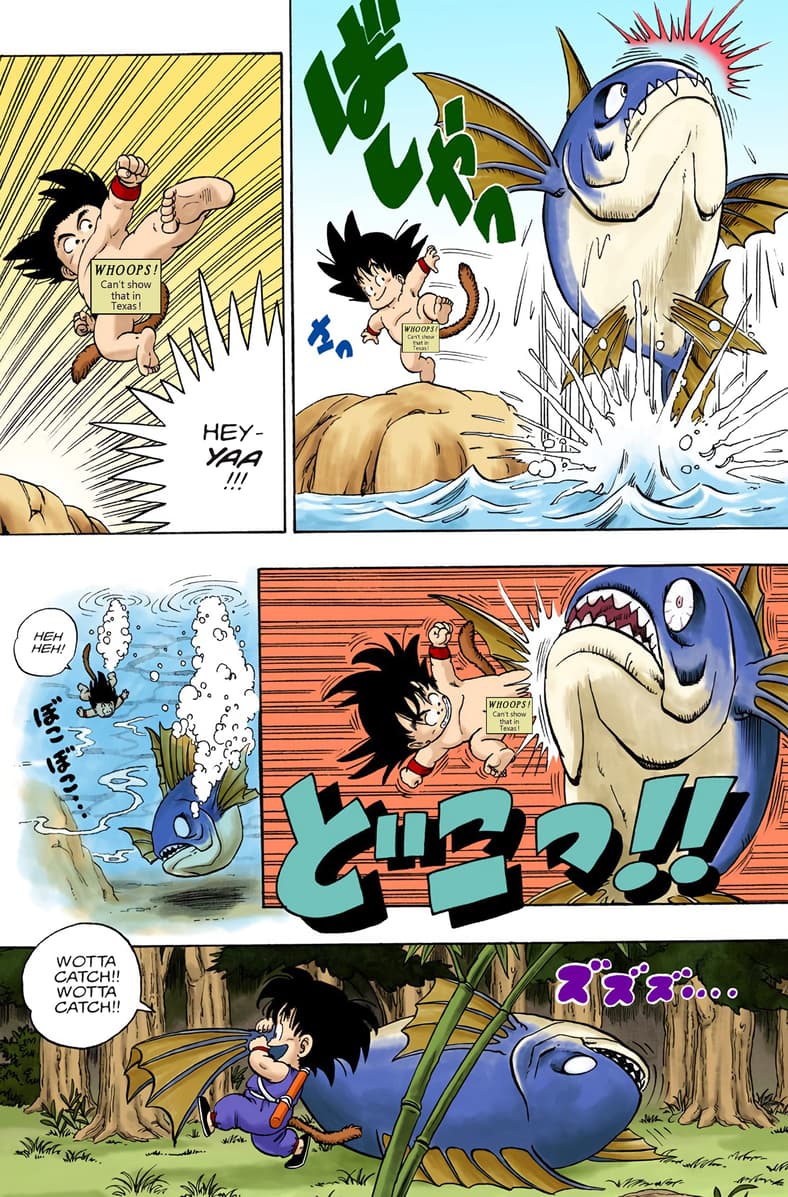
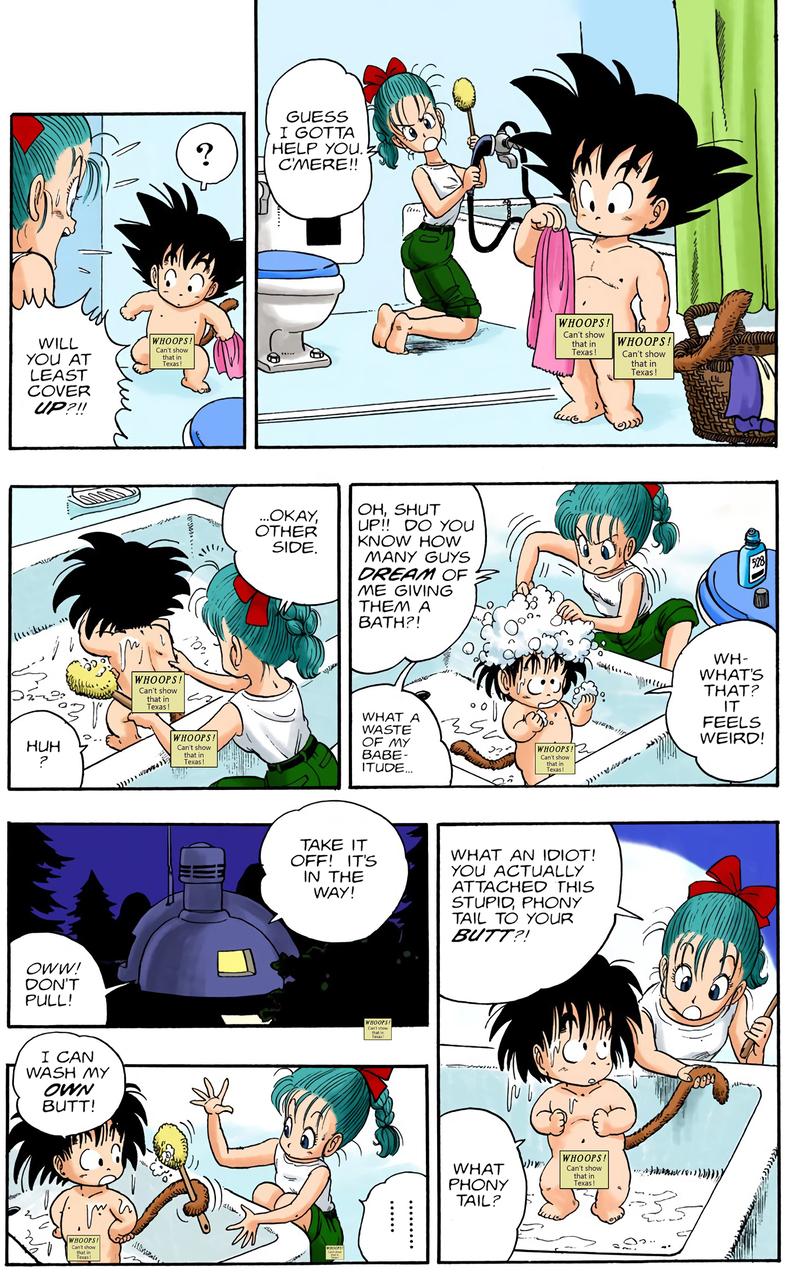
As for his specific to pull the late Akira Toriyama‘s seminal work, Balderas told Svendsen, per the reporter’s own recap, that “he has already pulled some volumes of the popular Japanese comic, Dragon Ball Z, from his shelves due to concerns that the main character had been shown naked as a child in earlier issues.”
“He said the depictions are very rare in earlier issues, and he believes it was done for comedic effect. Still, he felt it was better to be on the safe side. Balderas said he is going to stay vigilant about what products are available and what materials customers request.”
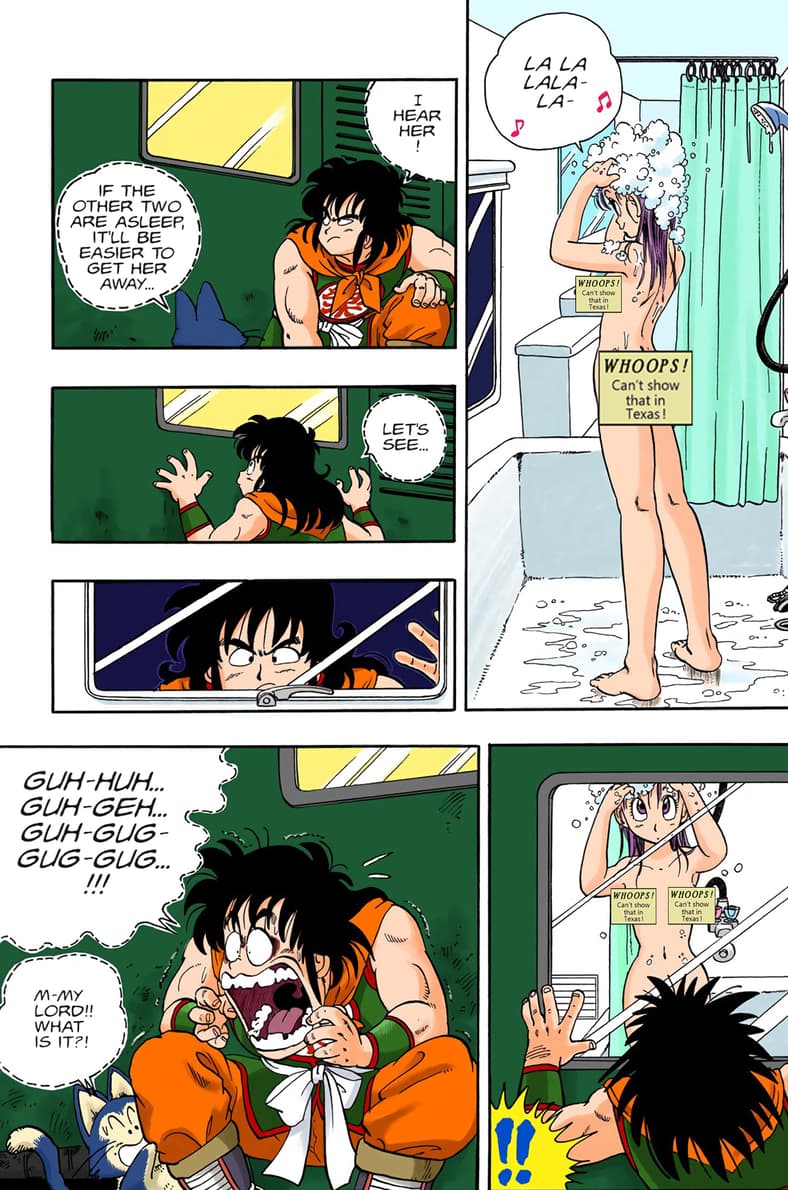
While no details were provided as to which specific “depictions” were causing Balderas’ concern, they were likely the many comedic instances of a young Goku’s bare genitalia and Bulma’s nude (or implied nude) body that pop-up during the hero’s early Dragon Ball-era adventures (Though Svendsen specifically names Dragon Ball Z, it’s likely this was an error based on the ‘Z‘ designation being the most well-known among general Americans).
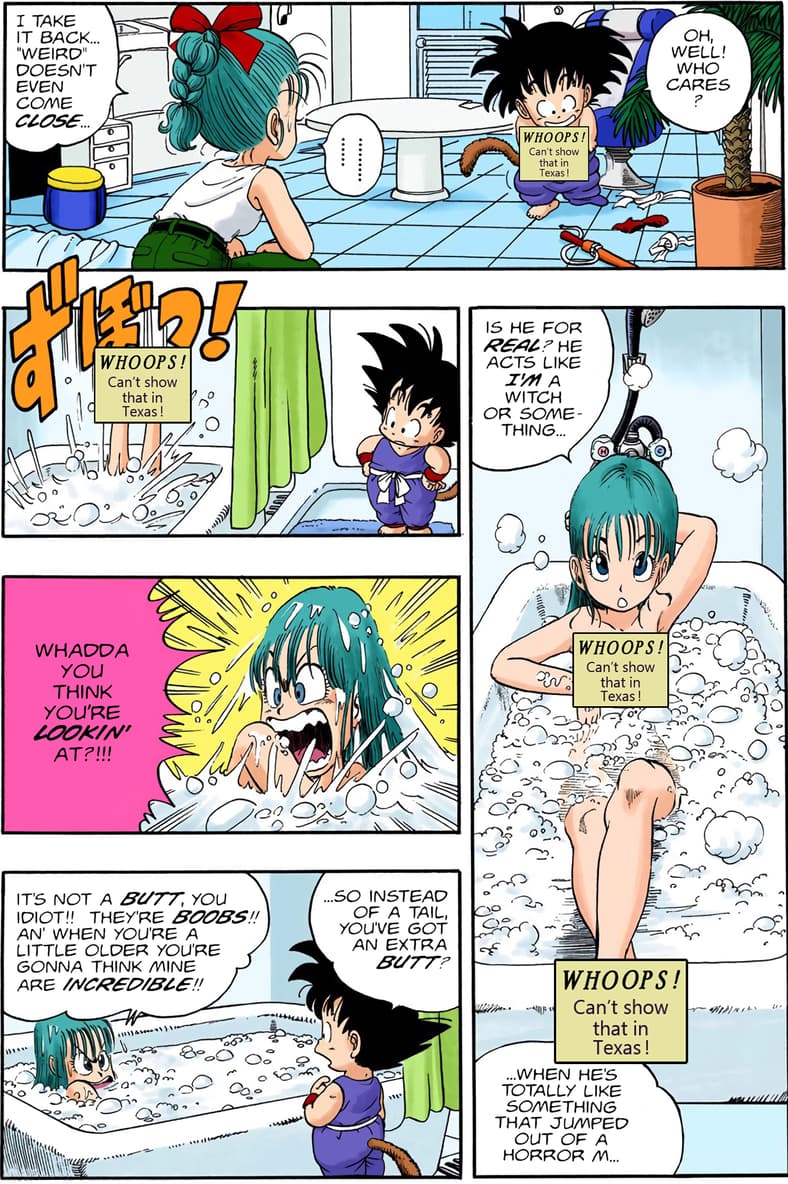
While proponents of SB20 and similar-such censorship measures may write off Balderas’ voluntarily Dragon Ball removal as nothing more than hysterical panic, no amount of bluster can hide the fact that this is the reality of censorship.
It’s not as cartoonishly direct as it is often portrayed, with government thugs going door-to-door, tearing up living spaces in search of offending books or movies hidden under floorboards or behind bookshelves (though with the way things are going in America right now, never say never).
Instead, it’s quiet and self-effected, with retailers and repositories that don’t have the time or money to realistically litigate the matter choosing to err on the side of fear to avoid being penalized into financial ruin.
At present, there exists no confirmed plans by any body, political or private, to either amend or retract SB 20.
While Comic Book Legal Defense Fund interim director Jeff Trexler did put out an open call in May inviting interested lawyers to collaborate in challenging the legislation, it does not appear that any have taken him up on his offer.
