
‘Avengers: Doomsday’ Star Simu Liu Admits He Was Insecure, “Acting Out” When He Accused ‘Kim’s Convenience’ Writers Of Racism

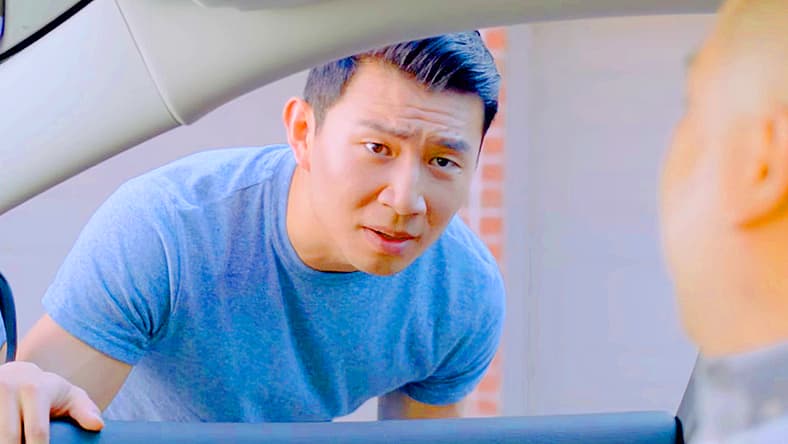
As was evidently clear to most audiences near-immediately after it happened, Avengers: Doomsday star Simu Liu has come come to accept that the decision by the Kim’s Convenience writers rooms to decline the actor’s creative input was not borne from some sort of racist, anti-Asian conspiracy, but instead a simple reality of creating television entertainment.
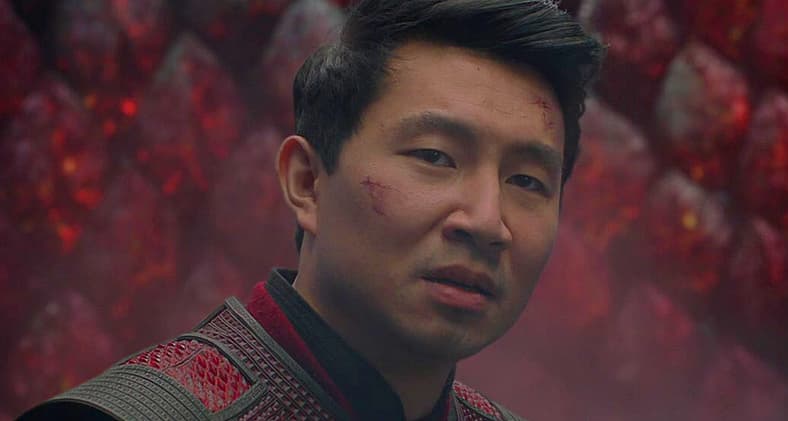
The Shang-Chi actor offered his initial race-based accusation via a Facebook post made to his personal account on June 2nd, 2021, the same day the entirety of Kim’s Convenience fifth and final season went live on Netflix.
Speaking to the whispers surrounding the series’ cancellation, which came as a particular surprise given its popularity, an aggrieved Liu asserted, “I wanted to be a part of the sixth season. I’ve heard a lot of speculation surrounding myself – specifically, about how getting a Marvel role meant I was suddenly too ‘Hollywood’ for Canadian TV. This could not be further from the truth.”
“I love this show and everything it stood for. I saw firsthand how profoundly it impacted families and brought people together. It’s truly SO RARE for a show today to have such an impact on people, and I wanted very badly to make the schedules work. I WAS, however, growing increasingly frustrated with the way my character was being portrayed and, somewhat related, was also increasingly frustrated with the way I was being treated.”
And though he briefly touched upon the reality of the situation, writing “I think this is a natural part of a collaborative undertaking like making a TV show; everyone is going to have different ideas on where each character ought to go, what stories ought to be told,” Liu opted to continue viewing the entire situation through a lens of personal victimhood, declaring “But it was always my understanding that the lead actors were the stewards of character, and would grow to have more creative insight as the show went on. This was not the case on our show, which was doubly confusing because our producers were overwhelmingly white and we were a cast of Asian Canadians who had a plethora of lived experiences to draw from and offer to writers.”
“Our writer’s room lacked both East Asian and female representation, and also lacked a pipeline to introduce diverse talents. Aside from Ins [Choi], there were no other Korean voices in the room. And personally I do not think he did enough to be a champion for those voices (including ours). When he left (without so much as a goodbye note to the cast), he left no protege, no padawan learner, no Korean talent that could have replaced him.”
To this end, Liu grew even more frustrated when his own efforts to try and step up to the role of the show’s ‘Asian Voice’ were ultimately ignored, telling his followers, “I tried so hard to be that person; I sent him spec scripts I was working on, early cuts of short films I had produced…I voiced my interest in shadowing a director or writer’s room… my prior experience had taught me that if I just put myself out there enough, people would be naturally inclined to help. And boy was I wrong here.”
“I wasn’t the only one who tried. Many of us in the cast were trained screenwriters with thoughts and ideas that only grew more seasoned with time. But those doors were never opened to us in any meaningful way.”
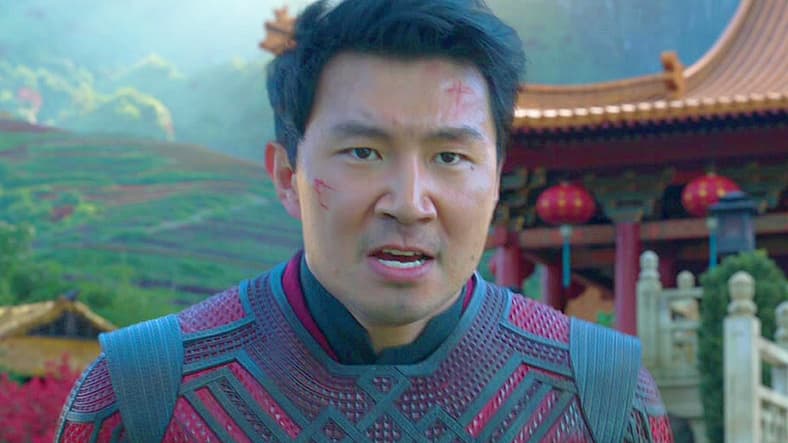
Though at the time clearly ready and willing to go to the mat against such assumed racism, the nearly-four years since have given the Avengers: Doomsday lead a chance to reflect on the entire affair, during which he has come to realize that he may have been a little too oversensitive in assuming the existence of a race-based boogeyman behind the curtain.
Speaking to his past anger during a recent interview with Collider’s Therese Lacson, Liu told his host, “”I’m currently at a place where I’m just so grateful that it all happened.”
I guess you could say it was my second show that I was ever on, but it was really my first show that people actually watched. The older I get and the more I hear from younger actors who go through the trials and tribulations of their own careers, the more I realize, I thought what I was going through at the time was unique, but I’ve since realized everyone goes through their version of that on a show, on a project, on a movie, especially when there’s an ensemble cast. There are a lot of mouths to feed. I feel like that insecurity can just manifest in so many different ways.”
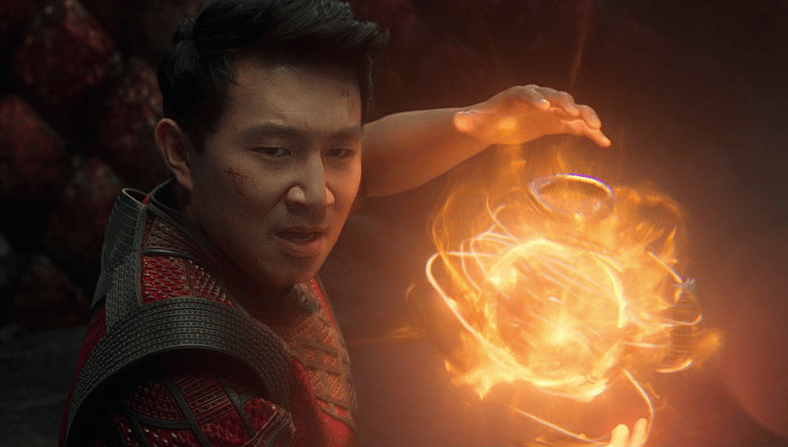
Further admitting that he was “acting out” when he made the post, the actor added, “I certainly wasn’t where I wanted to be — and especially when you don’t feel like you’re getting the material that is emblematic or indicative of your skill level, that’s when I would get this very specific feeling. It’s a very specific trigger that is repeated at many points in my career, that I’m not being seen. When I feel that way, it’s really hard to rein me in.”
“Drawing his thoughts to a close, Liu ultimately asserted, “You would think that I’m known as Shang-Chi, just based on how big Marvel movies are. It’s like 50/50, honestly, with a little bit of Ken splashed in there. But really, it’s Kim’s Convenience almost as much as, if not as much as, Shang-Chi, and I think that just really spoke to how special a show it was.
“Maybe it’s that nobody can really fully appreciate the kind of cultural impact of something if they’re on the other side of it. I kind of forgot that we were making an important show, and a show that people watched and appreciated and resonated with, and saw themselves in.”
