
Bounding Into Halloween, Night 19: ‘Nosferatu The Vampyre’ (1979) And ‘The Mummy’ (1959) Show How To Properly Remake A Classic

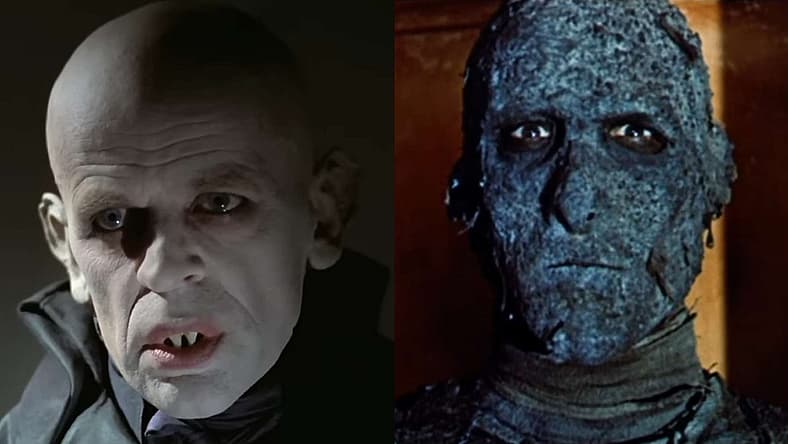
Once upon a time in a faraway land that has long since vanished, there once dwelt movie companies that would remake horror classics, but with the intention of creating quality entertainment, and being more lenient with the violence when retelling a story from an age where bloodshed was considered pornography.
RELATED: Bounding Into Halloween, Night 17: A Tale Of Two ‘Suspiria’s, The 1977 Original & The 2018 Remake
Financial gain may have been a main driving factor, but making a good movie was still a part of the boardroom meeting. These two relics from that lost world are proof of its existence, and they remain a kindling of hope that it could possibly be remade once again.
Nosferatu the Vampyre (1979)
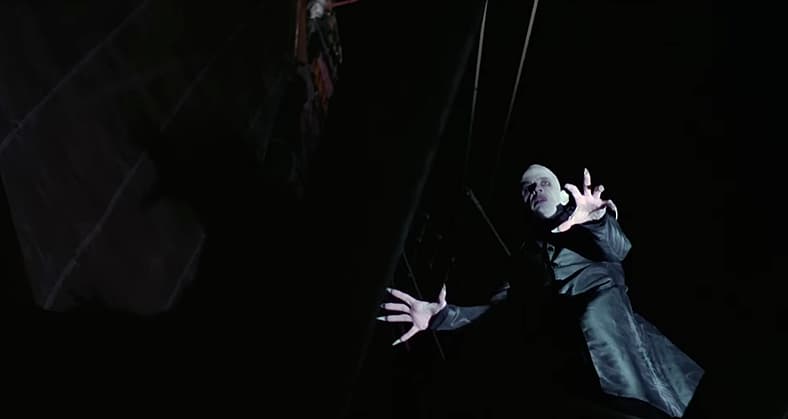
The exalted sultan of cinematic cynicism, Werner Herzog (Aguirre, The Wrath of God, The Enigma of Kaspar Hauser, Grizzly Man) once called FW Murnau’s Nosferatu (1922) the “greatest German film,” and he got to direct a remake of the silent horror masterpiece in 1979 with his frequent collaborator, “crazy” Klaus Kinski as the ghoulish Count that was made iconic by his predecessor, Max Schreck.
Most fans know the story of how Bram Stoker’s widow, Florence, successfully sued the film studio over their unauthorized adaptation of her late husband’s classic 1891 penny dreadful, Dracula, but that story has been discussed ad nauseam ever since it happened.
It holds very little relevancy because the novel entered the public domain by the time production started on this, and sweet Florence had been in her grave for four decades. That’s why Herzog gave the characters back their original names, and that is why I present to all of you that which I have personally dubbed “Bram Stoker’s Nosferatu“…
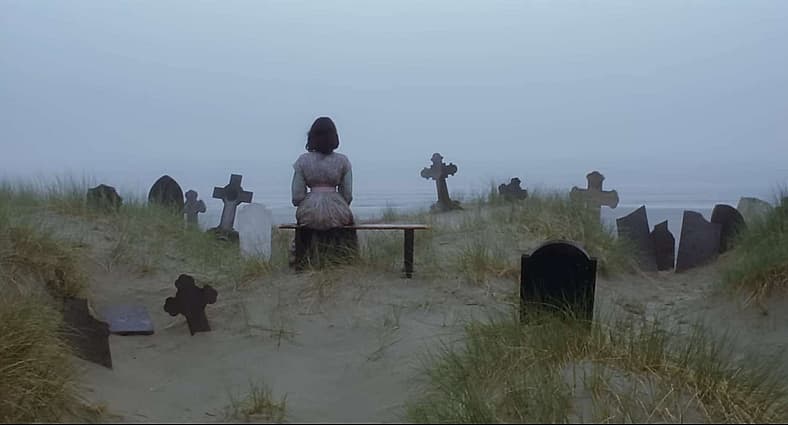
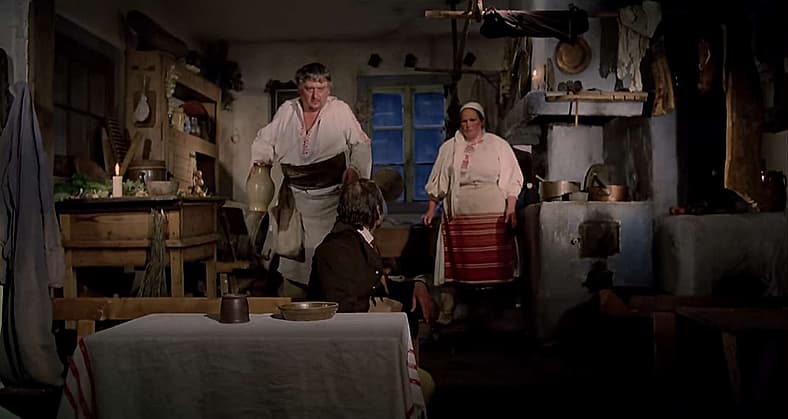
It is the year 1850, and in the town of Wismar, Germany, young real estate agent Jonathan Harker (Bruno Ganz) is the first of many people in this movie who are supposed to be from this region of Europe, yet with names about as German as a bowl of Matzah balls.
He’s sent to seal the deal with prospective client, Count Dracula, at his castle in the forsaken land of phantoms… Transylvania!
Harker arrives to find himself standing in the presence of an ancient unspeakable evil that only lives to feed on human blood, and that’s when Hutt-…HARKER realizes that he has helped unleash a terrible plague on his hometown.
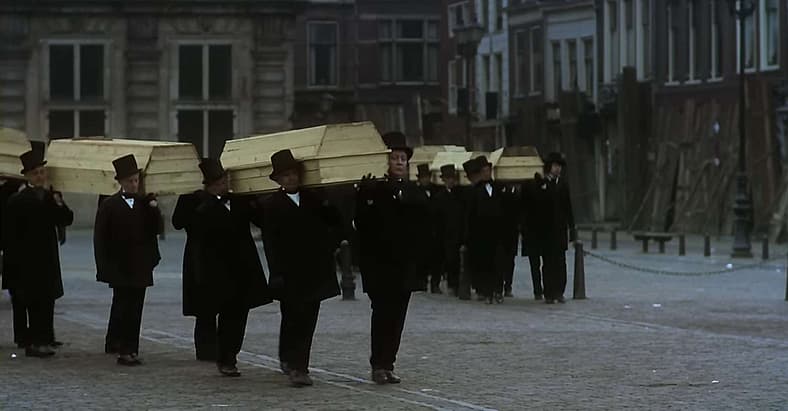
This doesn’t surpass the original, but it stands on its own as a brooding Gothic horror tale that shows just how tenuous the stability of mortal society can be, and how fast it can be wiped out in one fell swoop by the Bird of Death.
Kinski really makes the role his own by portraying the Count formerly known as Orlok with the quiet resignation of a centuries-old creature that feels more cursed than blessed over its immortality.
Isabelle Adjani brings an air of feral desperation to the part of not Mina, nor Ellen, but Lucy Harker. She also just looks like the type who would attract an emaciated vampire who’s always wearing black, and sits in the dark alone lamenting over his dreary existence while listening to The Smiths for all eternity.
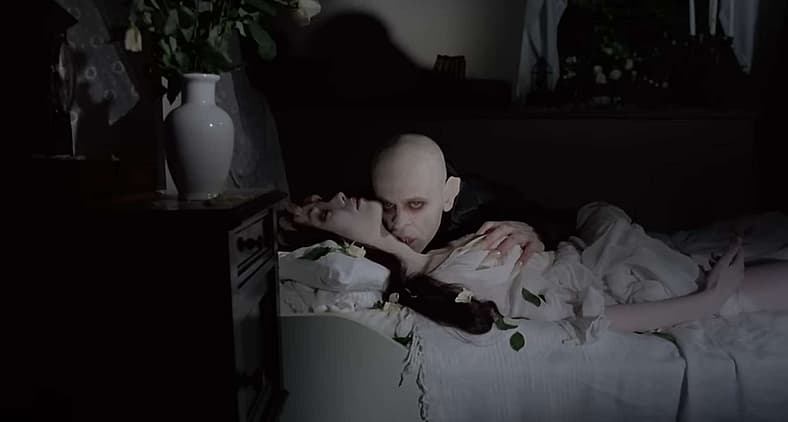
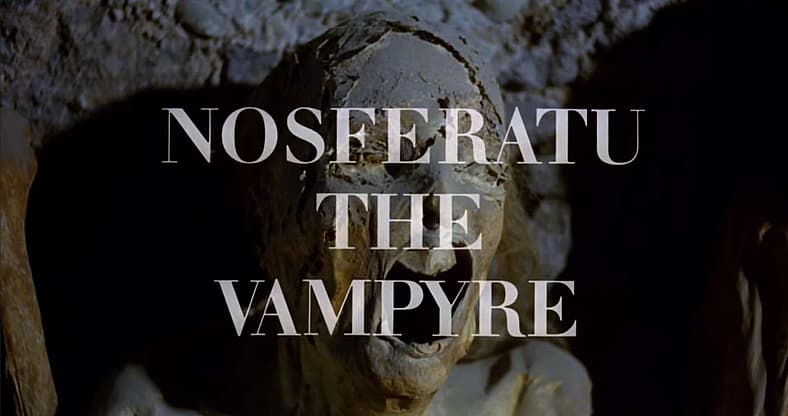
Nosferatu: Phantom der Nacht is a slow-moving glacier of melancholy with amazing shots, a grim score, and the opening credits (featuring real mummified bodies!) set the perfect bleak tone. It’s grim and the final scene is completely absurd, but it’s still one of the best (and unique) remakes in the horror genre.
It’s available on TUBI, and here’s the trailer:
The Mummy (1959)
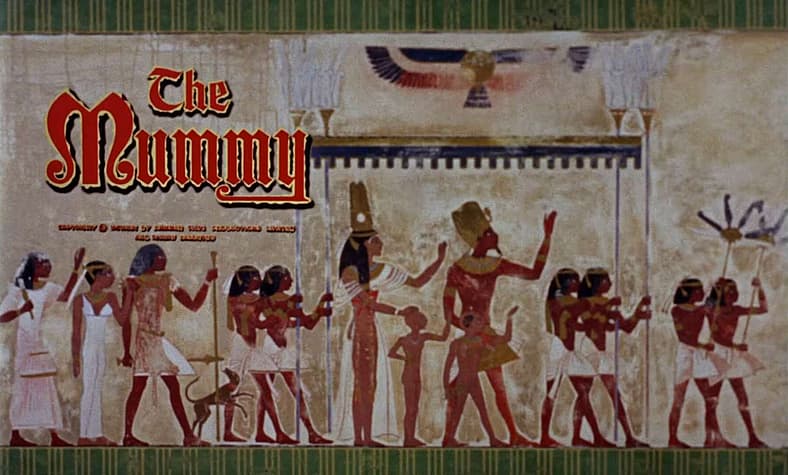
The next one came out twenty years earlier, and it’s from our very, VERY old friends at Hammer Horror. Following the success of Curse of Frankenstein (1957) and Horror of Dracula (1958) remakes, the British production company continued their plundering of Universal’s roster of famous monsters, and gave them a Technicolor makeover.
This film is also the seventh time that the legendary duo of Peter Cushing and Sir Christopher Lee shared the screen. Now, let’s travel 4,000 years into the past to meet the world’s first simp.
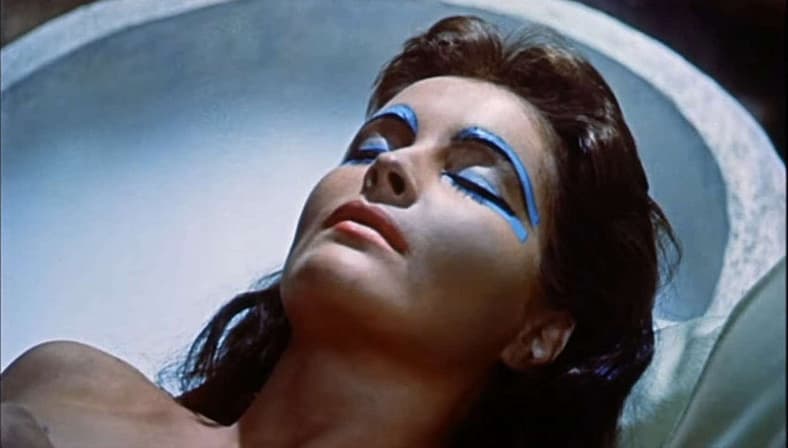
Kharis (Lee) is just a simple high priest of the Egyptian god Karnak (which is actually just the name of a complex near Luxor, but I digress), and all he wants is to spend every moment with his secret lover, Princess Anaka (Yvonne Furneaux). Unfortunately, she messes that up by dying unexpectantly.
Undeterred, Kharis turns to the dark arts to resurrect her, but he gets caught before the ceremony is completed, mummified alive, and shoved into a sarcophagus to guard her tomb for all time.
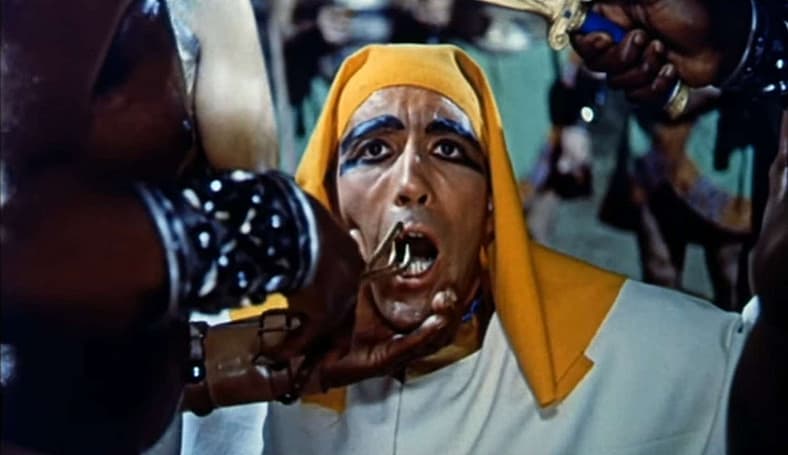
He may have gotten part of his wish, but that’s interrupted in 1959 when a father-son duo of tomb raiders accidentally awaken Kharis while screwing around with Anaka’s final resting place.
The pissed-off mummy sets out to unwrap an entire pyramid full of whoop-ass on everyone who was part of the excavation. That is, until he notices that one of them (Peter Cushing) has a wife who looks just like his long-lost love (and it’s Yvonne Furneaux pulling double duty).
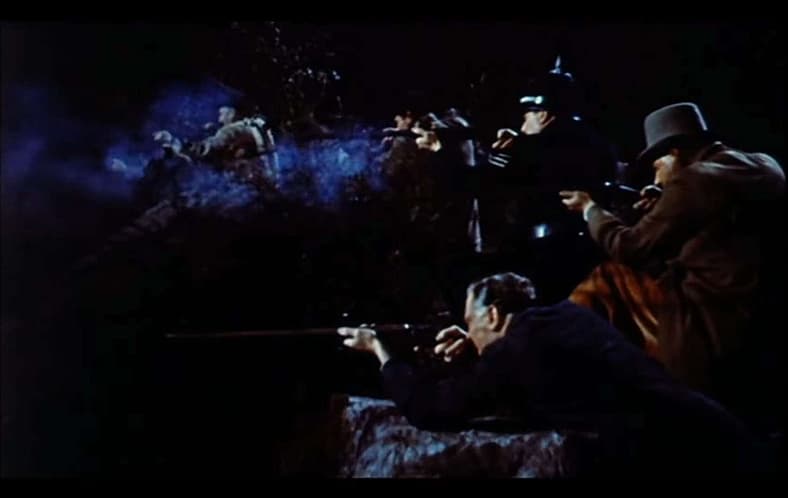
Only the very late, very great, and very white Christopher Lee could play an Egyptian character without sending emotionally overwrought mortals into violent convulsions, but it’s never too late for this.
Just like with Dracula and Frankenstein’s creation, he plays the role to perfection, but unlike those movies, this one derives its plot from three of the sequels (The Mummy’s Hand, Tomb, and Ghost) rather than the original movie.
It can be unearthed on HBO Max, but the trailer is buried below:
NEXT: Bounding Into Halloween Night 18: A Return To Lovecraft Country With ‘Re-Animator’ & ‘From Beyond’
