
Kaiju History – A Plague Of Rats Ended An Inept Production And Gave The World Gamera

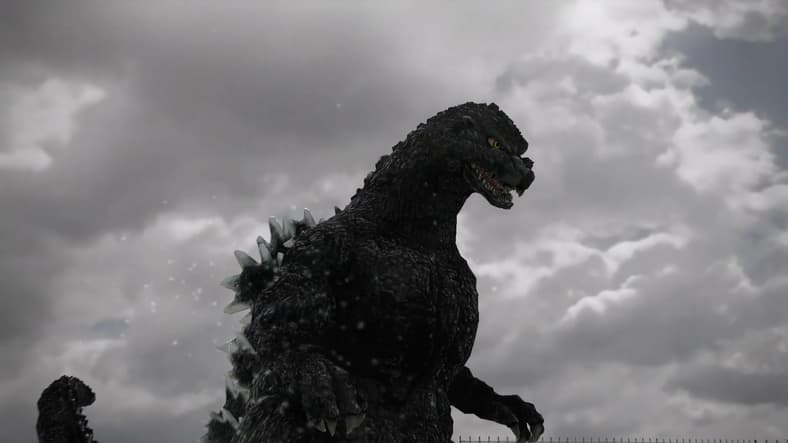
Once Godzilla changed the game for monster movies, two things happened: Toho tried to top itself with new attractions, from Rodan to Mothra, as well as new adventures for Gojira, and competing studios followed suit. Seeing the potential in giant monsters, Daiei Film Corp., Toho’s main competitor at the time, wanted something in the miniature-smashing genre they could call their own, and that they could produce easily and for cheap.
RELATED: Kaiju Theory: Could ‘Godzilla -0.0’ Use Hedorah To Add A Dose Of Cronenbergian Body Horror?
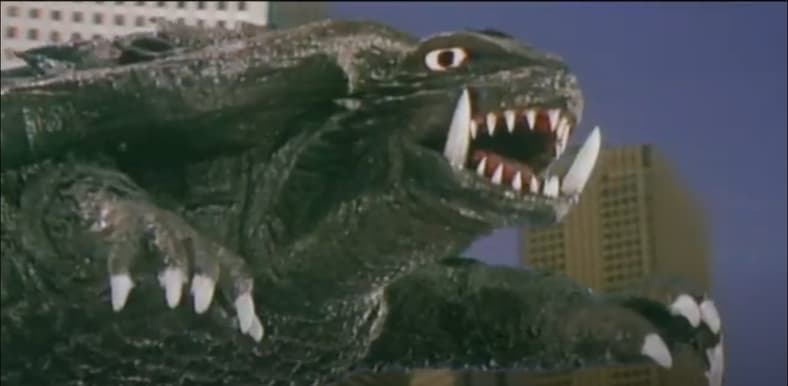
They eventually landed on the fire-breathing turtle that everyone, especially children, would come to know as Gamera. However, the road to get to the friend of the little ones wasn’t easy, nor was it direct. Initially, Daiei had another idea so bizarre, and that went so disastrously, that everyone who hears of it wonders, ‘’Just what in the heck were they thinking?’’
It was the mid-1960s, and Godzilla’s Showa era was at its zenith. The big guy experienced a lull after his debut, but the epic face-off in King Kong vs. Godzilla changed his fortunes. Daiei took notice and wondered how they could get a piece of this action. However, instead of one typical giant monster, they opted for the Old Testament plague route, creating a disaster film about several of them. In this case, they opted for enormous mutant rodents. Yes – I’m talking about gigantic rats!
Enter the production known as Giant Horde Beast Nezura, or simply Nezura, which is a term the studio cooked up that means “rat-zilla,” basically. While a giant man-in-a-suit rat was conceptualized, the film would have given plenty of room to man-sized pests, and even ones of mammoth proportions, mutated by a chemical superfood. They would grow, and then grow crazy, and descend on Tokyo, eating all manner of things in sight, from people to livestock.
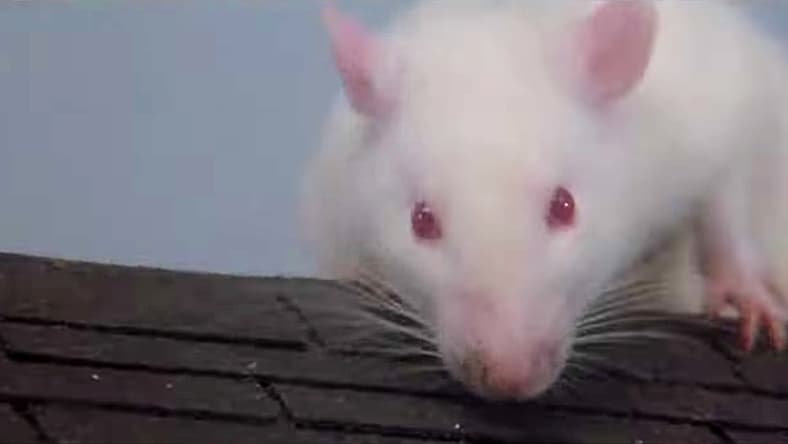
Rather than stop-motion or puppets, Daiei decided to use real live rats for the shoot. Unleash real scurrying pests in a cramped studio space? What could go wrong? As you can imagine, everything. The trouble started early when the production acquired lab rats from a local college’s science department. These test subjects were domesticated but proved to be far too tame. They didn’t move or do anything, no matter the incentive, so they were unsuitable for filming.
Undaunted, or perhaps out of their ever-loving minds, the studio didn’t abandon the experiment and soon got the bright idea to gather up wild rats from the sewers and set them free on the soundstage. They got more out of this infestation in the short term, but it came with all the foreseeable consequences. The rats were harboring fleas and ticks that gave the set a mask mandate decades ahead of its time.
That should have been enough to shut down production, but the manifold problems persisted and magnified. The filthy buggers started to soil the miniatures with their droppings, and before long, they began to cannibalize each other. This is an ironic twist, as that’s how the “Horde” was supposed to dispatch itself in the movie. When a top Daiei executive stormed off the set and concerns were raised in the surrounding communities, a stop was finally put to the horrors.
What did Daiei have to show for all their trouble? Nothing. All test footage and a teaser assembled from it are lost, minus some stills, and the kaiju suit made for the film has never turned up.
However, despite the calamitous nonstart, Nezura has had quite a lasting impact. Its aborted ideas resurface one way or another in later films such as Bert I. Gordon’s Food of the Gods, Canadian shocker Night Eyes, and the 2002 Japanese film Nezulla, the Rat Monster. The concept of superfoods and chemicals creating grotesque kaijus has also been played with in other sci-fi movies, including by Bong Joon-Ho in The Host.
Moreover, the making of Nezura was explored in the 2020/21 dramatic mockumentary Nezura 1964, an independent crowdfunded effort shot in black-and-white, and in a fun wink at audiences, featuring actors who appeared in the Gamera franchise over the years. Using motion-capture as well, the hour-long film even brings the fabled Mammoth Nezura to life, albeit for a few fleeting seconds. It’s currently rampaging over on Tubi.
And, of course, who can forget the giant, invincible, super-monster turtle Titan who came out of the debacle? His big turn in Gamera, the Giant Monster came in 1965, and he has rivaled Godzilla, on and off, for many years, ever since. We, and everyone at MST3K, owe a lack of sense and fumigation a massive thank-you.
NEXT: Kaiju History — Godzilla Never Fought Gamera Because Toho Hated The Idea
