
Warner Bros. Execs Pam Abdy And Michael De Luca Actually Liked ‘Joker: Folie à Deux’ – And “Still Do”

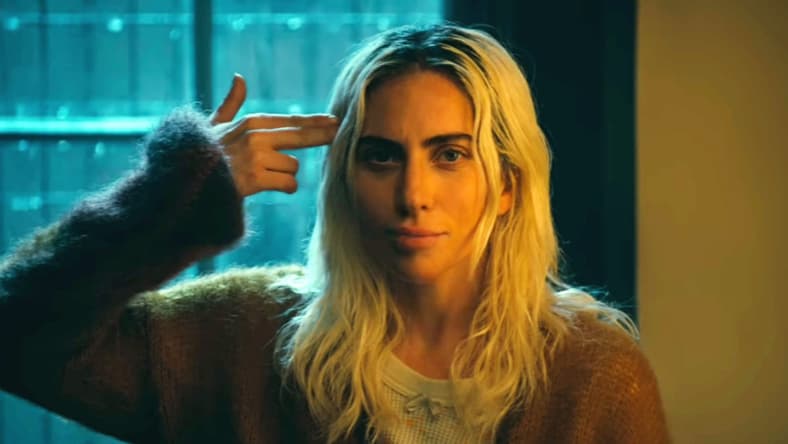
Joker: Folie à Deux arrived in late 2024 carrying the weight of massive expectations – the kind that come with following the act of a cultural lightning bolt. When the sequel ultimately underperformed, Warner Bros. Pictures’ top executives took a closed-door meeting, but weren’t hiding behind corporate gloss.
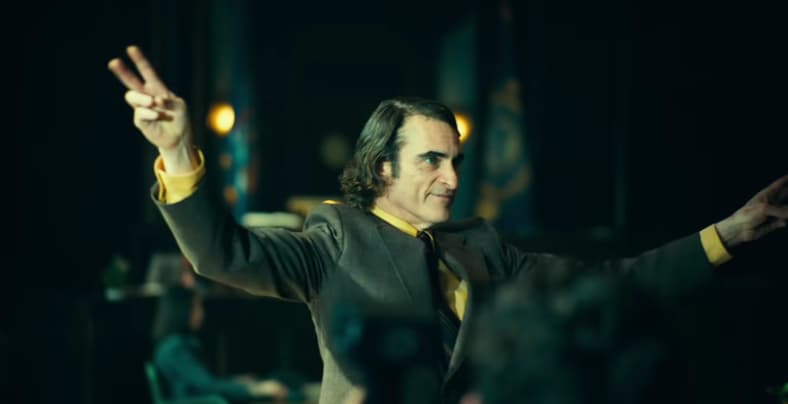
RELATED: Storyboards Show The Unseen Fate of Heath Ledger’s Joker In Cancelled ‘Dark Knight’ Game
Instead, they are offering a measured but unmistakably frank reflection, in an interview with The Wrap, that echoed the tone fans had been using for months, just without the theatrics. Co-CEO Pam Abdy kept her stance steady and personal.
“I really liked the movie. I still do…” she said, a reminder that creative ambition doesn’t evaporate just because the numbers disappoint. Her comment had the quiet conviction of someone who knew the film took risks and wasn’t interested in disowning them.
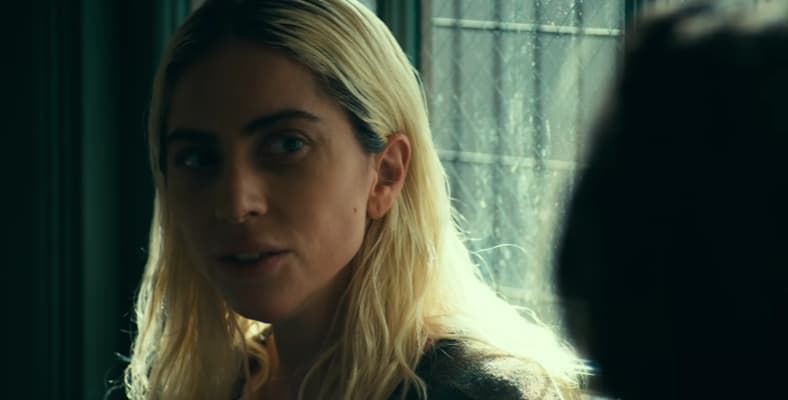
Her counterpart, Michael De Luca, provided the clearest explanation for why the film struggled to resonate. He described the sequel as “really revisionist,” acknowledging that its bold stylistic detours may have pushed it outside the comfort zone of mainstream audiences.
“It may be that it was too revisionist for a global mainstream audience,” he said without indicting, but recognizing the gap between artistic intent and audience appetite.
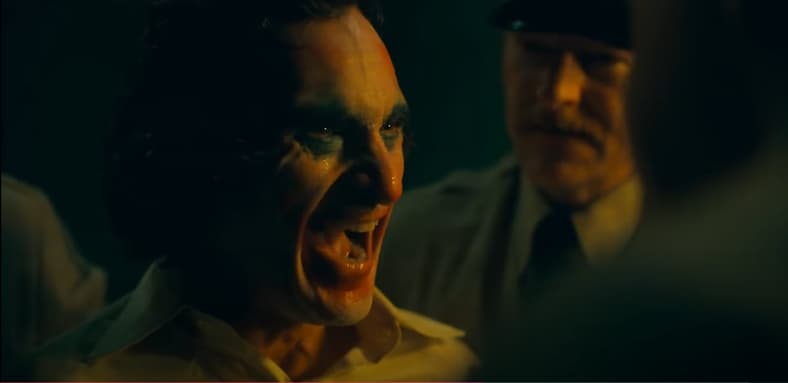
Still, De Luca made a point of praising the filmmakers for refusing to play it safe. Director/co-writer Todd Phillips and co-writer Scott Silver, he noted, “decided to not repeat themselves,” a rarity in sequel‑driven Hollywood. He even gave them “immense props” for that choice before landing on the simple truth: “It just turned out to not connect with the audience.”
The tone from both executives wasn’t defensive, nor was it harsh. It was the kind of clear‑eyed assessment that acknowledged the ambition behind the film while accepting the reality of its reception.
In the end, Joker: Folie à Deux became a reminder that reinvention carries risks – sometimes admirable, sometimes costly – and that even in franchise filmmaking, bold swings don’t always land.
