
‘Shelter’ Review: Jason Statham Is Back To Form – Formula, That Is

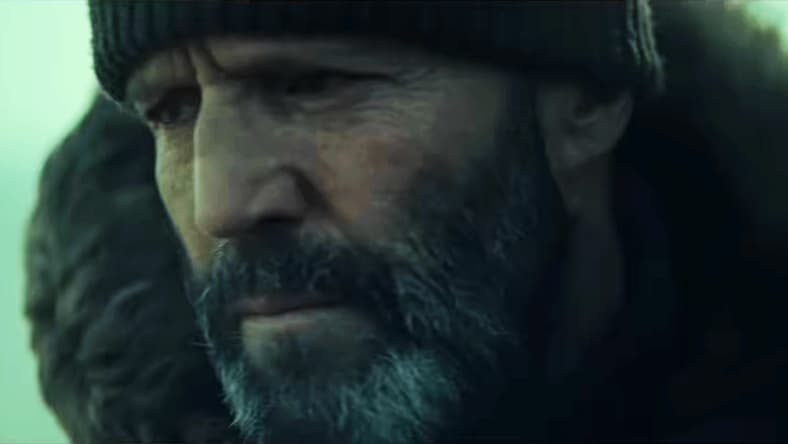
Like with The Rip, the word-of-mouth eventually found me. Through a mix of that and the kind of cultural osmosis that keeps Jason Statham permanently employed as cinema’s patron saint of the “working man,” Shelter drifted into my peripheral vision like a cold, calculating assassin, daring me to acknowledge it. Enough people said enough good things, and I finally caved.
RELATED: ‘The Rip’ Review – Everybody’s Got A Price
From the jump, it’s obvious Statham isn’t straying far from his comfort zone. Much like Steven Seagal or Jean-Claude Van Damme, once you’ve seen one of his lone-wolf action vehicles, you’ve more or less seen the whole lineage. If you caught The Beekeeper or Working Man, you already know the contours of the terrain.
And yet Shelter manages to carve out its own identity. It still checks all the familiar boxes (starting with the crusty retired hitman dragged back into the life by circumstance), but it layers in a surprisingly sturdy emotional core. The quasi-father-daughter dynamic between Statham’s character and newcomer Bodhi Rae Breathnach, who plays an injured orphan with a murky past, gives the film a pulse it wouldn’t otherwise have.
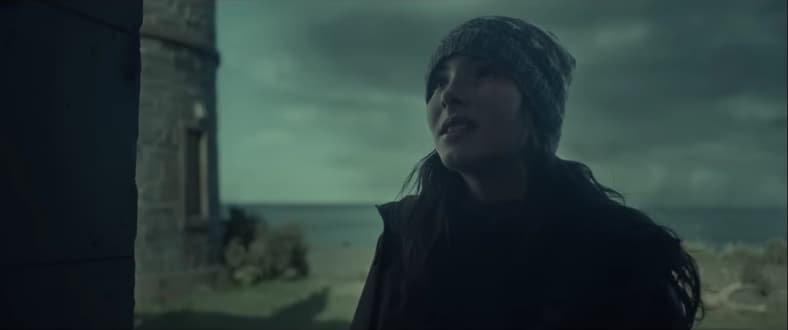
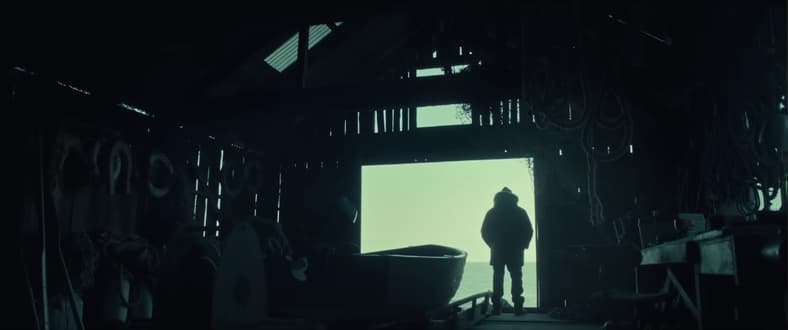
Any Statham movie could be translated into a graphic novel – or an adult-leaning anime, for that matter – but Shelter feels more grounded than most. A lot of that comes from the film’s heart and its long stretches in the rustic British countryside, which give the story room to settle. When the narrative shifts to modern London, spycraft, and the ever-present hum of surveillance culture, the tonal jolt is unmistakable.
Those elements add weight and scope, sure, but they also sit atop a fundamentally simple story about a man in isolation clawing his way toward purpose and redemption after years of living with the red in his ledger. It’s almost as if two different movies are unfolding at once, and only one of them gets the space and pacing it deserves to breathe.

The director, Ric Roman Waugh, still balances everything competently with the same energy and bruised knuckles he brought to the Has Fallen series. Those films have a similar habit of operating like blunt instruments that somehow keep finding pressure points – in relation to the generational trauma of war and black ops, no less.
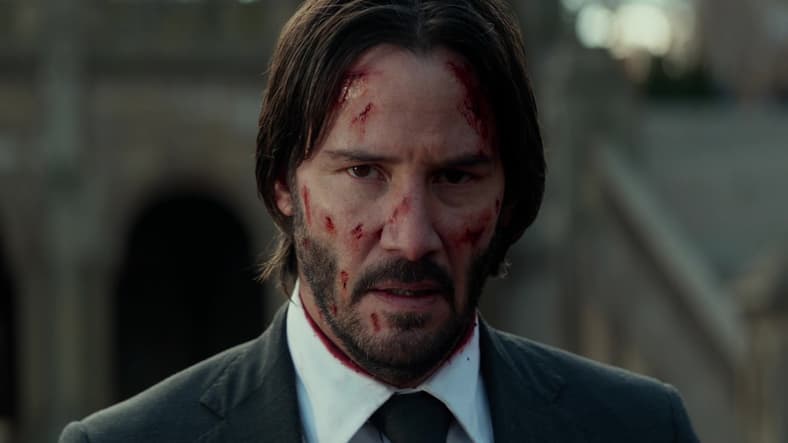
Although comparisons to John Wick are inevitable these days, Waugh crafts something that is less ballet in the sense of myth-chasing choreography. His approach is more workmanlike; the boots are still muddy from the last job, even if it’s been a while. This actually meshes neatly with Statham’s perpetual scowl and image of blue-collar stoicism.
There are moments of Wick-flavored baroque, but Keanu and Chad Stahelski have an artisanal operatic gunplay all their own, whereas Waugh and Statham build a shed in the country, set it on fire, and hit repeat. Every time Statham is on screen, the action is compelling, and the stakes feel personal. He never loses the lived-in quality of his character and gives one of his best performances to date; he is very well-rounded here.
The film also benefits from that Black Bear branding. They are still a little engine proving they can, but their films maintain a tastefully polished look perfect for the festival and award season. They’ve been quietly cultivating this across projects like last November’s Christy with Sydney Sweeney. A reward might not be waiting at the end of the line after each shot, but there’s a certain confidence to their productions. Even when the story leans pulpy or familiar, the presentation likely won’t.
Shelter benefits from that sensibility: the polish smooths out the rougher genre edges and gives the whole thing a visual authority that other Statham vehicles don’t always get. It’s still an action movie about a grizzled hitman and a mysterious kid, but it looks like someone actually cared how the frames were arranged. Still, it never pretends it’s reinventing anything and just wants to hit hard and leave a mark. If you see it, I’m sure it will.
NEXT: ‘A Working Man’ Review — Statham Earns His Keep Again
Shelter
PROS
- Statham ups his game a little as an actor
- Bodhi Rae Breathnach, young as she is, holds her own opposite Statham's gravitas
- Naomi Ackie is surprisingly decent in her supporting role
- Every shot looks great
CONS
- Sensitive and timely issues are brought up but can't be fully explored for the sake of the main story
