
Broadcasting Titan Ted Turner Dies

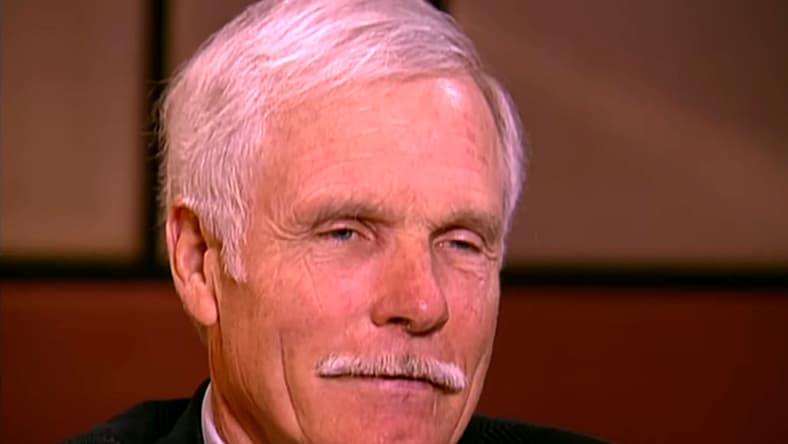
One of the biggest names in television has passed away. Billionaire TV pioneer Ted Turner has died at 87 after a long battle with Lewy Body Dementia, passing at his ranch in Florida outside Tallahassee. Turner was a titan whose fingerprints are all over modern media, fandom, and the way generations grew up watching TV.
He was renowned for a great many accomplishments, including the founding of CNN, the first 24-hour news channel. He was also quite polarizing for his political and environmental views, but he left indelible marks on entertainment, culture, and fandoms that can’t be denied.
Love it or not, his environmentalism – and his open disdain for oil companies – led directly to the creation of Captain Planet, a show whose earnest messaging and eccentric villains made it a pop‑culture artifact still recognizable enough to be lined up for a new adaptation. Turner didn’t just fund cartoons; he used them to broadcast his worldview.
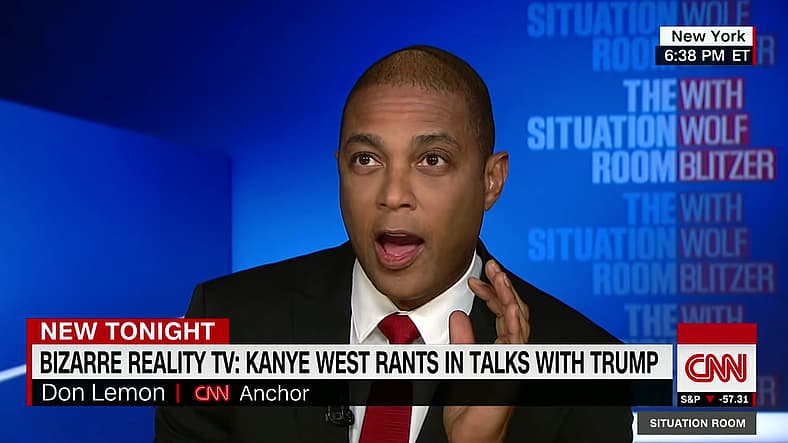
But Turner’s biggest contribution to animation was the founding of Cartoon Network. What began as a home for the MGM and Hanna‑Barbera libraries evolved into a creative powerhouse that gave birth to Adult Swim. The network’s willingness to push boundaries with shows like Space Ghost Coast to Coast and Aqua Teen Hunger Force came from Turner’s philosophy of letting creators get weird — a philosophy that shaped the tone of alternative animation for decades.
Turner’s influence didn’t stop at Western animation. His acquisition of massive film and TV libraries made it possible for Cartoon Network to launch Toonami in 1997, a programming block that would become one of the most important gateways for anime in North America. Shows like Dragon Ball Z, Gundam Wing, and Sailor Moon found a mainstream audience because Turner’s networks had both the rights and the willingness to experiment. For an entire generation of fans, Toonami wasn’t just a block — it was the spark that ignited lifelong anime fandom.
He was also the founder of the namesake movie channel Turner Classic Movies, which he personally launched at a 1994 ceremony in Times Square. While it has undergone changes in recent years and lost Robert Osborne, the longtime host, TCM is still going strong. It is a cornerstone of HBO Max and remains one of the few places on cable you can find truly vintage films from pivotal eras in cinema.
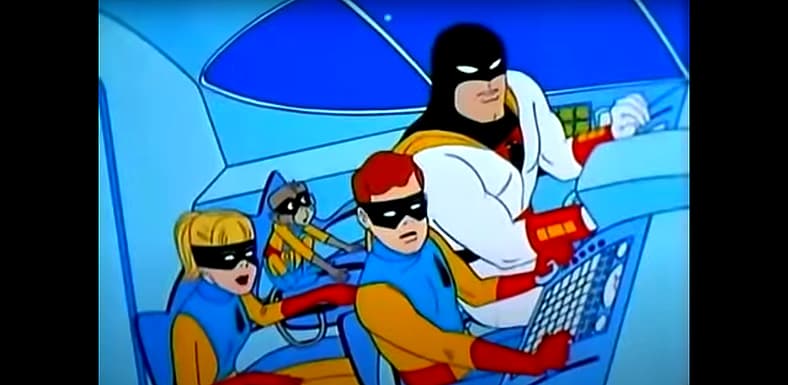
Turner also played a controversial but pivotal role in film preservation and restoration. His aggressive acquisition of MGM’s classic library in the 1980s saved thousands of films from potential decay or obscurity. While he drew criticism for his attempts to colorize black‑and‑white classics, the broader effect of his stewardship was the survival and restoration of countless pieces of cinema history. Without Turner, many Golden Age films simply wouldn’t exist in the quality they do today — or at all.
Beyond movies and animation, Turner’s impact reached deep into the world of pro wrestling at one of its hottest periods. “Billionaire Ted” didn’t just buy Jim Crockett Promotions — he turned it into World Championship Wrestling and used his deep pockets to challenge Vince McMahon’s WWF head‑on. Giving WCW prime‑time real estate on Monday nights created Monday Nitro and kicked off the Monday Night War, a ratings battle that changed wrestling forever.
Sundry mergers and acquisitions with Warner, Time, and AOL eventually reduced Turner to a figurehead in the empire he had built. As corporate layers piled up, the institutions he founded — from CNN to Cartoon Network to WCW — drifted from his original vision. WCW lost its slots on TNT and TBS in 2001 and collapsed soon after, a casualty of boardroom politics rather than fan interest.
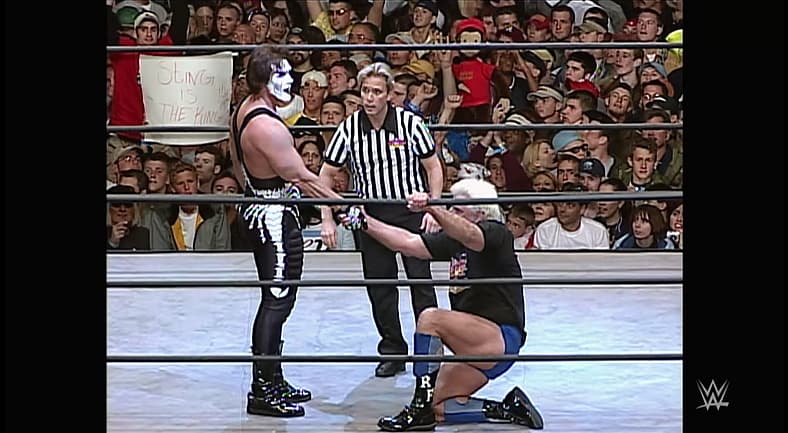
Although many of the institutions he started are now shadows of what they once were, Ted Turner’s contributions remain foundational. From the rise of anime on American TV to the preservation of classic cinema, to the wild experimentalism of Adult Swim, to the most explosive era in pro wrestling, Turner shaped the media landscape in ways few moguls ever have. His legacy is messy, massive, and impossible to ignore.
