
Hasbro ‘Power Rangers’ Purchase Took Toy Rights Back From Bandai Namco, Leading To Death Of ‘Super Sentai’

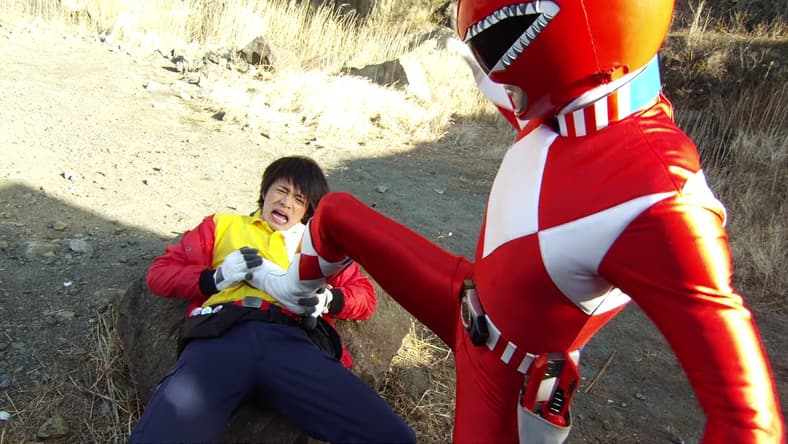
While fans worldwide work to accept the reality that Super Sentai is well and truly over (not to mention set to be replaced by Project R.E.D.), new insight into the franchise’s toy licensing deal with Bandai Namco suggests that Hasbro’s purchase of the Power Rangers IP played a significant role in the seminal tokusatsu series’ untimely demise.
Asked for his thoughts on this surprise development by Japanese news outlet Livedoor, as machine translated via ChatGPT, veteran video game and anime reporter Kiyofumi Tane posited that Super Sentai‘s cancellation was due in large part to the franchise’s slumping toy sales, itself a by-product of the country’s ongoing birth rate crisis, as well as a rise in free-to-play smartphone games:
“This applies to other hero franchises as well, but the main reason is simply the decline in the number of children—the main audience—which ties directly to Japan’s falling birthrate. On top of that, smartphone games, which are free to play, have become widespread even among younger kids. Compared to the Showa and Heisei eras [Japan delineates their eras according to whichever Emperor is serving over the country at a given time[, the number of competing entertainment media has increased dramatically.
Hero shows relied heavily on toy sales as a major revenue source, but with smartphones and tablets becoming more common, many kids no longer find toys appealing.”
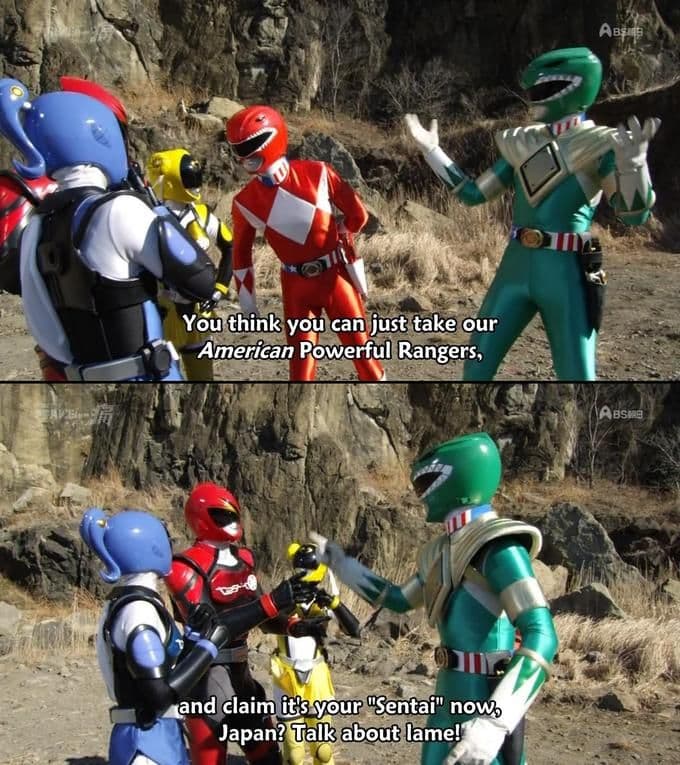
However, in recognizing that Super Sentai‘s sales were low even compared to those of the similarly-affected Kamen Rider and Ultraman, Tane explained that this financial discrepancy could be traced all the way back to Hasbro’s 2018 purchase of the Power Rangers brand.
Fully and solely facilitated by then-CEO Brian Goldner without any input from his fellow company leadership, the deal saw Hasbro buying ownership of the US Super Sentai adaptation from Haim Saban, who had re-acquired the franchise from Disney in 2010, and in doing so choosing to take back its toy manufacturing rights from Bandai Namco.
“The Super Sentai series was remade in the U.S. in 1993 as Power Rangers, and at first, the toy manufacturing rights were held by Japan’s Bandai Namco. Power Rangers became a global hit, and combined toy sales—including both the Japanese and overseas versions—surpassed ¥20 billion JPY, rivaling the current levels of Kamen Rider and Ultraman.
“But in 2018, major American toy company Hasbro purchased the rights to manufacture toys outside Japan and parts of Asia. As a result, Bandai Namco los”t a huge portion of its revenue from Power Rangers toys. This caused overall sales to plunge rapidly, leading to today’s ‘lone loser’ situation.”
To this end, Tane ultimately summarized:
“The Kamen Rider series is working on global simultaneous distribution and is expected to expand more seriously into overseas markets. Ultraman has also been growing increasingly popular in China in recent years, successfully expanding abroad.
On the other hand, the Super Sentai franchise had already succeeded in overseas expansion back in the 1990s, but losing its overseas toy market midway proved to be a severe setback.”
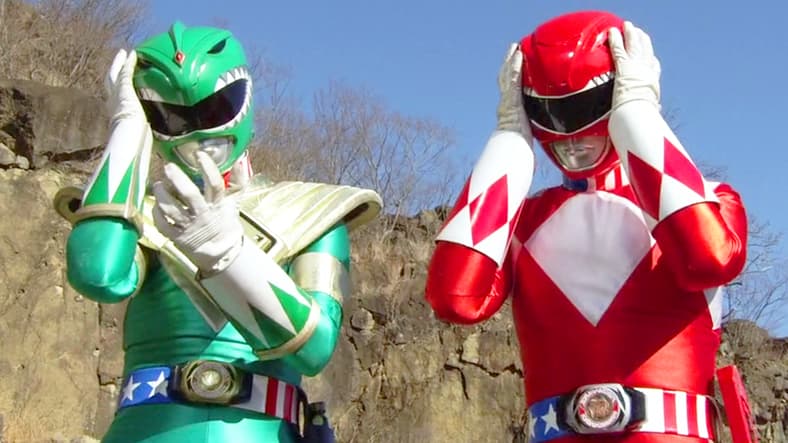
While the idea of Bandai Namco holding the toy manufacturing rights to both the Japanese Super Sentai and its Western Power Rangers cousin seems like a bad piece of fake trivia, this arrangement is confirmed by contemporary court records.
Per the text of Saban Entertainment’s 1994 copyright infringement lawsuit against a manufacturer of bootleg Power Rangers toys, “Saban is also the sole and exclusive licensee in the United States of rights in the federally registered copyright in the live motion picture Che Ju Ye Rangers [sic, ostensibly based on phonetic mispronunciation of the original Super Sentai series, Kyōryū Sentai Zyuranger] a Japanese creation. Saban has in turn licensed Bandai America, Inc. (“Bandai”) to produce and market certain toy products derived from the Power Rangers.”
As far as Hasbro’s forced recovery of the specific toy manufacturing rights, while the company never took action against Bandai Namco specifically, their official filing with the United States Securities and Exchange Commission regarding their larger purchase of Saban’s various toy holdings explicitly holds that “Hasbro now owns all of the rights and interests in the Power Rangers, Julius Jr., Luna Petunia, My Pet Monster, Popples and Treehouse Detectives properties, and related intellectual property, as well as in certain other properties, that were previously owned by Saban Properties, or any of their affiliates”, which thus allowed them to rescind any outstanding licensing contracts they saw fit.
Bearing any verifiable evidence to the country, that Hasbro played a role in the death of its source material will go down in history as yet another black mark on the company’s record – especially given how they’ve since bungled the Power Rangers‘ toy offerings so bad that they were ultimately driven to sell the manufacturing rights to Playmates (who, admittedly and impressively so, are doing their best to treat the franchise with some level of respect).
