Use Of Generative AI In ‘Power Rangers’ And ‘Super Sentai’ Leaves Western Fans Outraged, Japanese Just Annoyed

It was only a matter of time before the rapid evolution of generative AI tools reached the world of tokusatsu, but both the Japanese Super Sentai franchise and its American Power Rangers counterpart have both saw fit to apply the technology to their latest projects – and unsurprisingly, their decisions have ignited heated debates across tokusatsu fans East and West.
Kicking off this latest round of intra-fan conflict was Power Rangers – though not in the traditional sense, as rather than an official piece of media, their AI controversy came by way of a collaboration with the YouTube channel The Ninja Kidz.
Consisting of siblings Bryton, Ashton, Paxton, and Payton Myler, the group first arrived on the content creation scene in 2017, their videos blending together skits, superhero stories, and athletic ‘ninja stunts’, as taught to them by their 8th degree black belt and stunt man father Shane Myler.
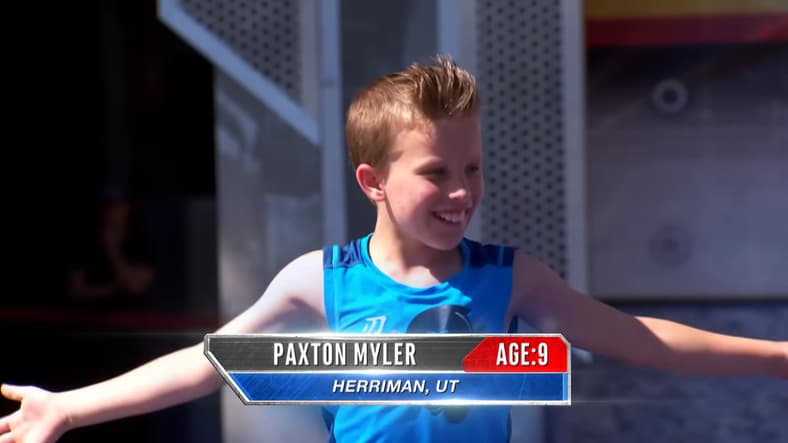
Under the supervision of their father, The Ninja Kidz not only proved themselves to be a genuinely impressive team of on-screen performers in their own right, with their channel currently sitting at 24 million subscribers, but also widely popular, with the siblings making regular competitor appearances on American Ninja Warrior Junior, as based on Japan’s physical challenge game show Yasuke, and even taking home the 2023 Kids Choice Award for Favorite Social Media Family.
But even moreso than their time on national television, the group are perhaps best known for their long-running Power Rangers Ninja Kidz web series.
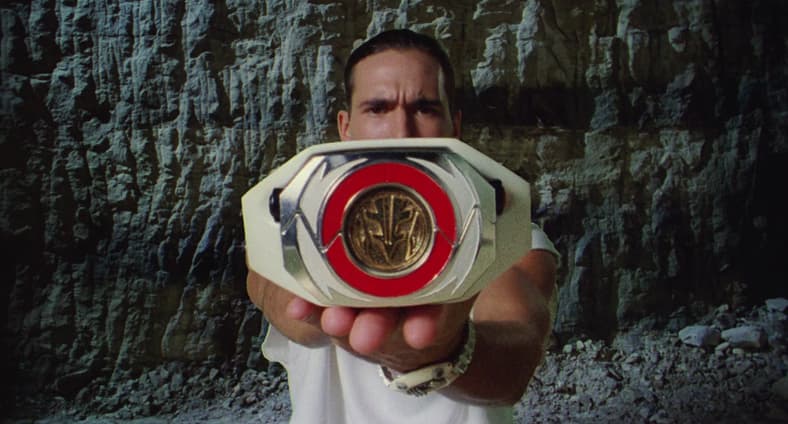
Telling a completely original story within the Mighty Morphin‘ mythos featuring the Kidz as the Zordon’s latest recruits, the series featured not just Ranger-themed athletic games, but also musical numbers and fully choregraphed battles against Putty Patrollers, Goldar, and Rita, their roles performed by various friends and family members.
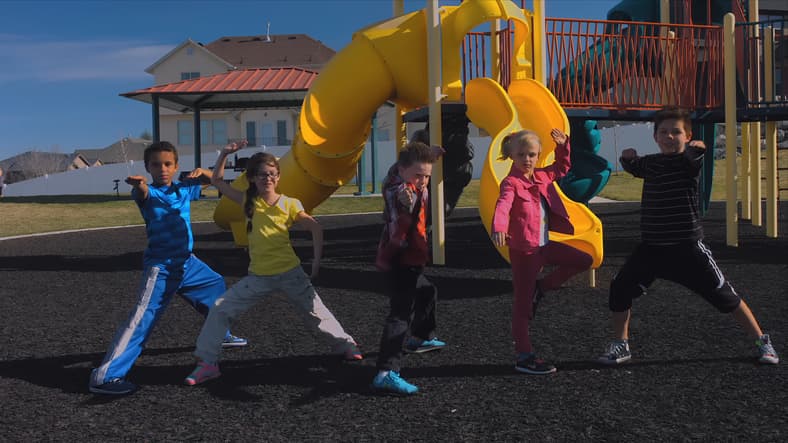
Coming to an end in 2022 due to scheduling obligations, the series would receive a surprise update this past August when the team announced that, with the help of “some amazing artists and some big companies“, they had begun production on Power Ranger Ninja Kidz‘ long-awaited finale.
As it would turn out, such collaborators would include artist Jay “TokuJay” Sullivan and Parallel Life Studios, who designed and manufactured the project’s various suits, as well as Hasbro, who in an ostensible attempt to promote Netflix’s AI Mighty Morphin remasters allowed The Ninja Kidz to license the official Power Rangers brand (in the age of adblockers, even the streaming giant needed an advertising arm to get the word out beyond their own social media reach).
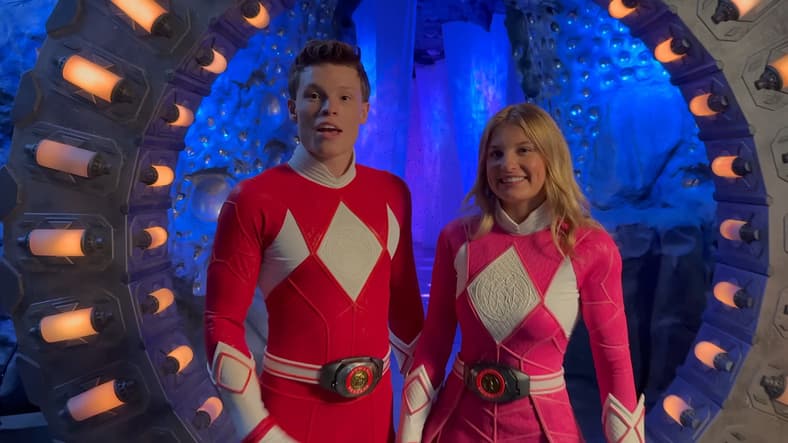
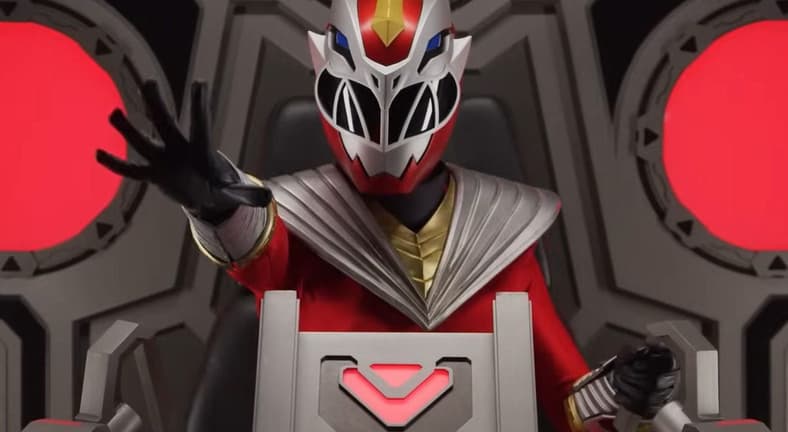
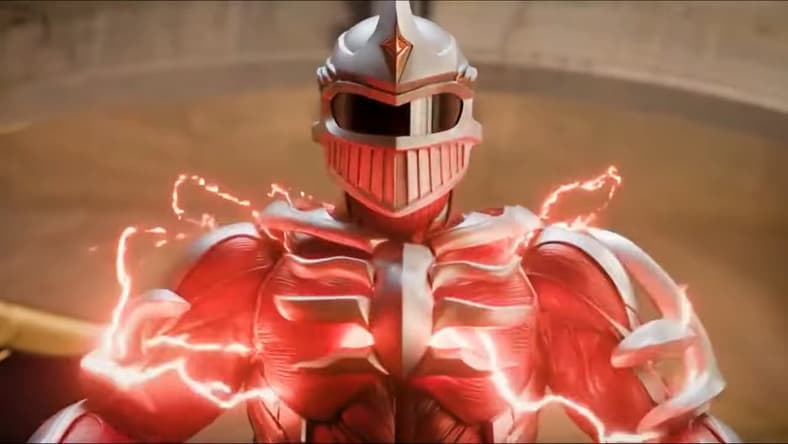
Going radio silent for the next two months as they worked on the project, with behind-the-scenes photos and videos popping up from time to time showcasing the effort the Myler family and their friends were putting into their Power Rangers return, the group would drop its first teaser on October 17th – but rather than cheers and excitement, its debut was met with a massive wave of backlash thanks to its special effects being produced via generative AI.
Though the backlash had nothing to do with its direction or performances, the many anti-AI critics who spoke out in defense of human artists’ livelihoods were unfortunately joined by those who decided to attack The Ninja Kidz on a personal level over the family’s support of both US President Donald Trump and the late Charlie Kirk.
While it’s currently unknown if this upload was intended for public release, as there does exist a possibility it was merely an in-process cut meant only for the eyes of the series’ production crew, it has since been privated (though not before fans could rip a copy and distribute it across social media).
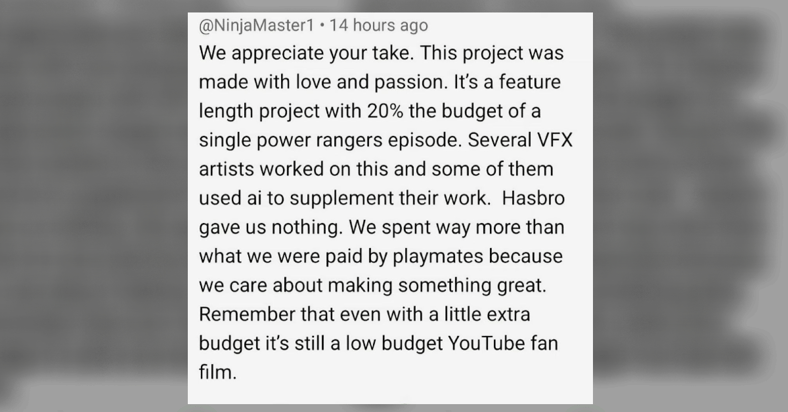
While the entire collaboration has since been cancelled by Hasbro (it’s unknown if this AI controversy played any part in this decision) and The Ninja Kidz brand has yet to release an official statement on the matter, their father, Shane, did offer some independent insight, replying via his own personal account to YouTuber The Fan Club‘s critique of the trailer and explaining:
“We appreciate your take. This project was made with love and passion. It’s a feature length project with 20% of the budget of a single power rangers episode. Several FVX artists worked on this and some of them used AI to supplement their work. Hasbro gave us nothing. We spent way more than what we were paid by playmates because we care about making something great. Remember that even with a little extra budget it’s still a low budget YouTube fan film.
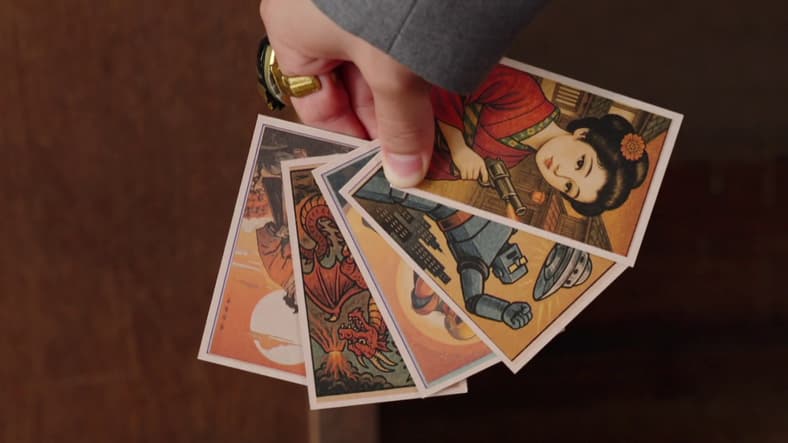
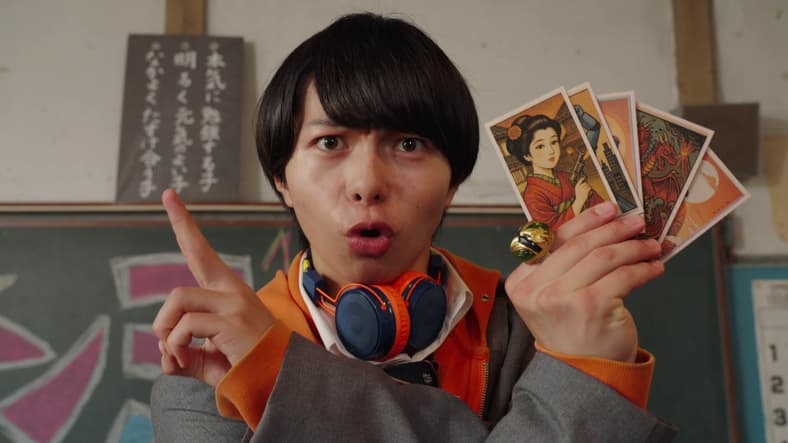
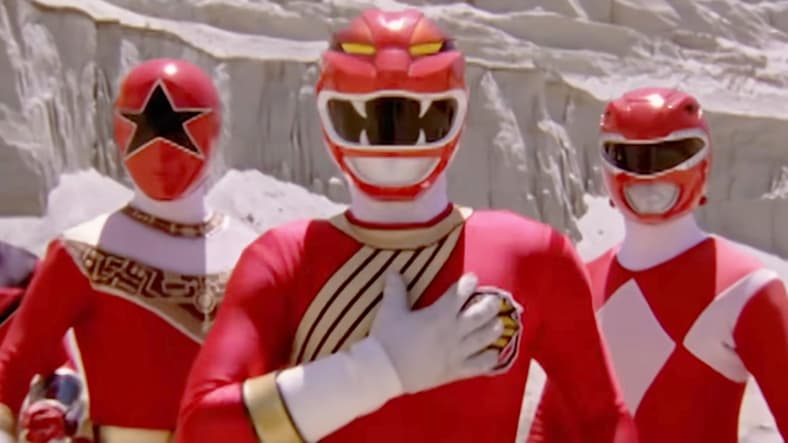
Just as the drama was swelling around Power Rangers, the Japanese Super Sentai fandom found themselves in the midst of their own AI debate, as sparked by the appearance of AI generated Menko cards in No. 1 Sentai Gozyuger‘s 35th episode, Transform!! You Too Can Become Younger.
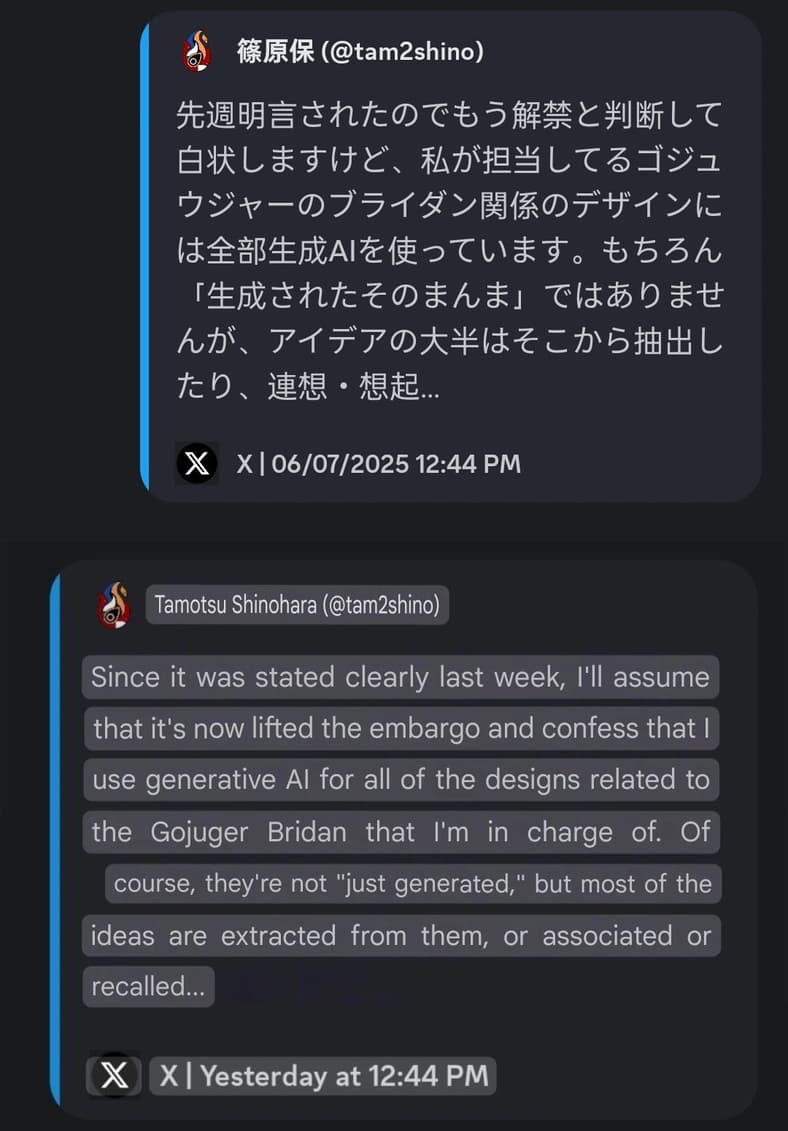
Produced by veteran franchise character designer Tamotsu Shinohara, who previously declared that he would be stepping down from his role after being browbeaten by Westerners over his admitted use of AI in Gozyuger‘s monster designs (though he since deleted the post and no official announcement has been made regarding his supposed exit), this instance of AI production work was met with far less of an explosive fervor, with Japanese fans expressing displeasure, but also understanding regarding the technology’s ability to speed-up the series’ 52-episode production.
RELATED: ‘Kamen Rider Zeztz’ Proves Toei Serious About Moving Americans Past ‘Masked Rider’
Admittedly, if they wish to use generative AI, Toei and The Ninja Kidz really need to refine their models, as both the Power Rangers special effects and Gozyuger‘s props lacked polish and were generally just off-putting.
But regardless of one’s stance on the technology, the difference in rhetoric between the East and West toku fandoms is staggering – and not to mention, when it comes to the West, particularly selective.
After all, they could have directed the same energy towards Toei – despite it not being publicly available in the West, Gozyuger enjoys a significant fandom via pirating – but instead chose to browbeat and scold a much smaller, near-wholly independently group of pre-teen and teenage creators.
This isn’t the first time a technology has prompted a massive upheaval in media production, with the matte background painter losing his job to green screens and the number practical effects engineer being significantly reduced thanks to CGI.
But history has also proven that often times, while a given technology may change a given creative landscape, rarely has it ever led to the complete extinction of traditional production methods – Despite all the pearl-clutching, digital art tools did not kill the very spirit of human creativity, and in fact have instead opened up an avenue for new ways of expression.
This isn’t the first time a technology has prompted a massive upheaval in media production – The matte background painter lost his job to green screen and the practical effects engineer lost his job to CGI.
While there are genuine concerns regarding AI’s effect on artists, the fact of the matter is that it’s here to stay, and thus the battle becomes about its ethical application over its complete exiling.
And that gives the game away, doesn’t it?
For many in the West, the discussion centers less around the many real issues concerning AI generation’s future and more around clout chasing, virtue signaling, and bullying.
Such self-serving fans don’t care about actually protecting their favorite brands or artists; they just want to feel morally righteous with the littlest effort possible, ignoring the fact that constructive feedback on AI execution would serve Power Rangers and Super Sentai both far better than performative cries about ‘the right side history’.
Ultimately, this is not a call for fans to either reject, embrace, love, or hate generative AI. Rather, it’s a call for fairness.
If the Japanese can give some grace to Toei, the West can give some to The Ninja Kid, and in the process help both franchises navigate an ever-changing media landscape.