
‘Andor’ Said No Jedi, Lightsabers Because Story Was About “Ordinary People” Dealing With “Authoritarianism And Fascism”

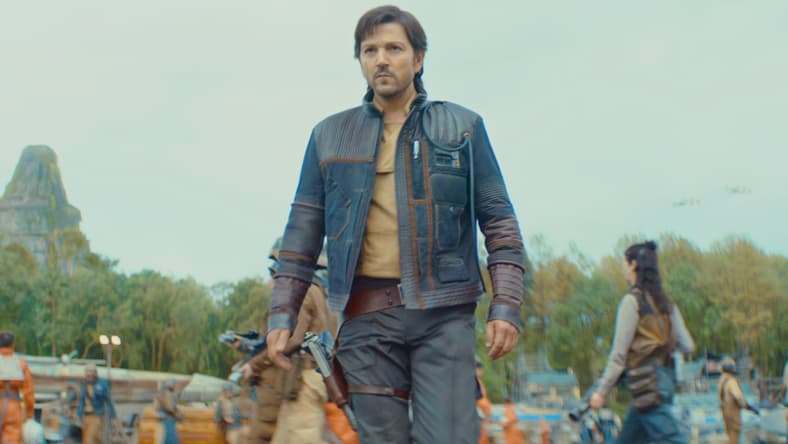
While a cameo from an established Jedi or a climactic lightsaber fight is essentially the only way for a Dsney-era Star Wars project to generate any interest, good or bad, Andor showrunner Tony Gilroy has revealed that the acclaimed Disney Plus series specifically avoided leaning on these franchise staples because, simply enough, they had nothing to do with its more “ordinary” plot.
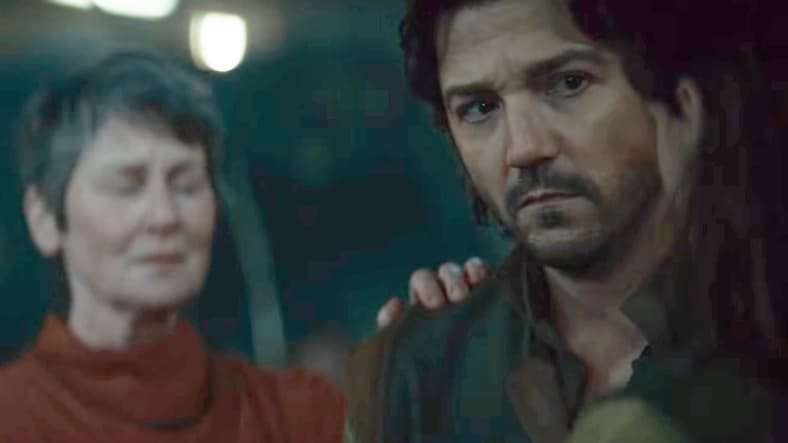
Gilroy, who also helped write the similarly lightsaber-less Rogue One, spoke to Andor‘s creative intent during a recent interview given to the libertarian news outlet Reason‘s epnoymous Reason Podcast in reflection of his time working on the series.
At one point asked by the show’s guest host Eric Boehm as to whether the series angling away from “the mystic side of Star Wars” was a personal decision or one made in order to avoid over-bloating its already sizable cast, Gilroy began by recalling his oft shared insight that “You have to think of Lucasfilm and Star Wars—I’ve said this many times before—as sort of like the Vatican, in a way.”
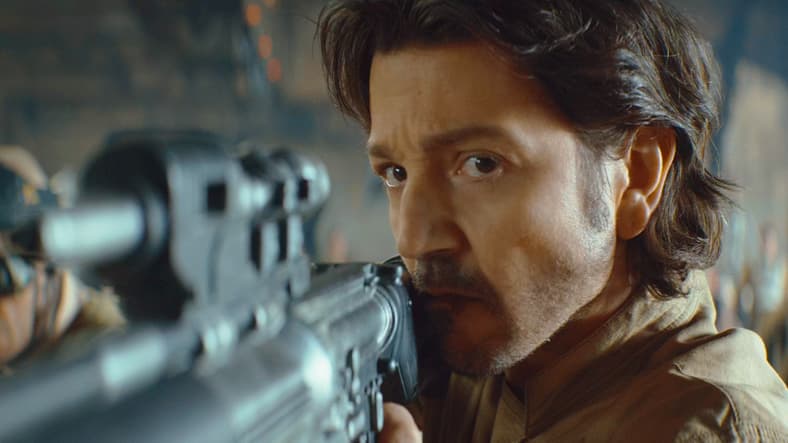
“I mean, it has a curia, and it has a whole bunch of cardinals of various… Our attitude was: we’re gonna take the Latin Mass out of the church. So we’re gonna do it a different way. That was the mandate.”
To this end, Gilroy further detailed, “One of my original questions to them, to the experts there, was, ‘In the galaxy—in this huge galaxy—how many people would have ever encountered a Jedi? How many people would ever know about the Force? How many people know about this family [the Skywalkers] you keep rotating these movies on?'”
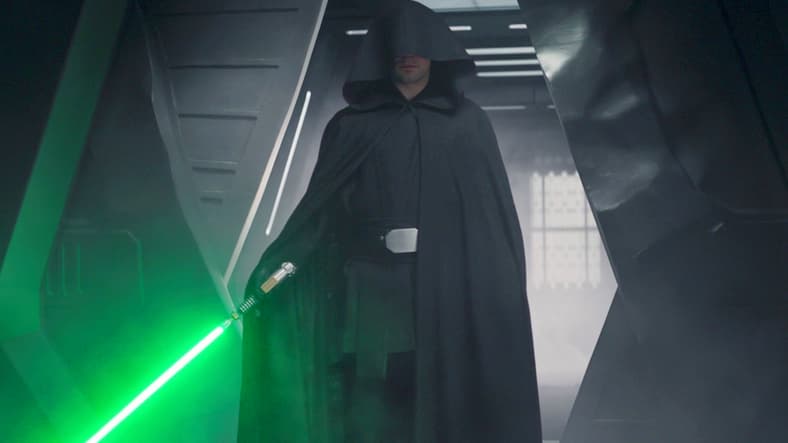
“And the answer is: nobody, or almost nobody. If you’re living in the galaxy, if you’re a being in the galaxy, you’ve probably never had any encounter ever with Jedi or even know what it is, or the Force.
“So that was my intention. Probably in the beginning, I was never, ever, ever gonna touch on the Force. We’re certainly gonna do a show without lightsabers. And we’ll certainly do a show that doesn’t have anything to do with the same bunch of people that you’ve been dealing with all this time before.”
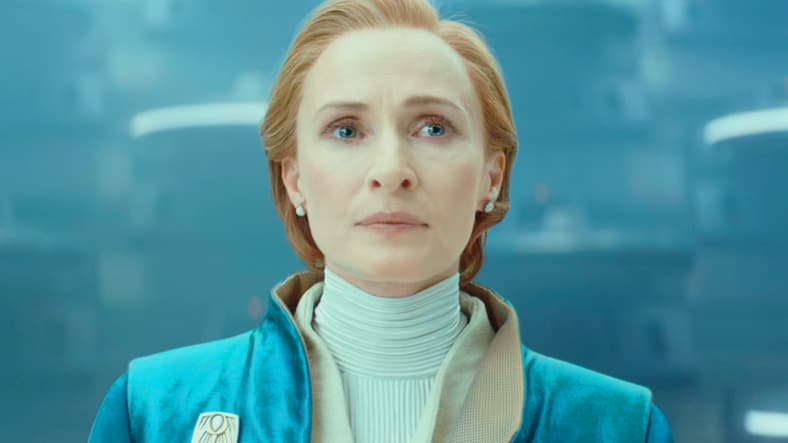
And though it was relatively easy to avoid adding any Jedi to the series’ narrative, the same could not be said of the actual Force, itself is too pivotal and ‘omnipresent’ in the larger Star Wars universe to simply avoid all-together, the acknowledgement of which Gilroy ultimately made in the series’ final run of episodes.
“But the Force… We worked on the show for five and a half years. Coming into the second season, there was a really cool way to touch it and have it help us and have it enhance our story. And I think really gets a fundamental emotional feel for it as well—I mean, something that felt of value to me.
“So we touched on it. I liked the way we ended up doing it. A lot of discussion went into it, a lot of finessing of it. But yeah, we do touch on it a little bit.”
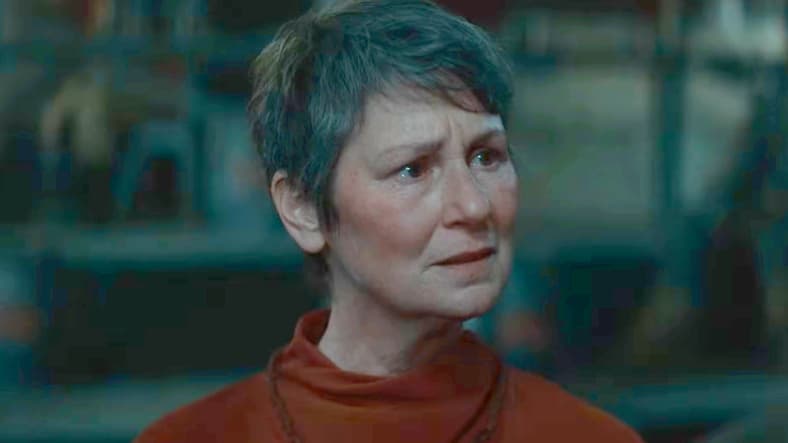
Putting a final stamp on the topic, Gilroy ultimately explained that, when it came to Andor and the Jedi, “As I said, the concept of the show was to put it in the kitchen and get it out of the dining room, and just talk about what happens when authoritarianism and fascism comes kicking down your door, ordinary people, and you’re forced to make a choice.”
“A lot of people in the show are forced to make choices because of events,” he added. “And that doesn’t really involve lightsabers, and it doesn’t really involve a spiritual dimension that will help you.”
