
Ubisoft Cancelled Post-American Civil War ‘Assassin’s Creed’, Felt Story Was “Too Political In A Country Too Unstable”

In the latest case of snowflakism torpedoing a genuinely interesting creative choice, a new report has revealed that while the next Assassin’s Creed game was originally set to tell the story of a freed slave who joins the Brotherhood in the years immediately following the American Civil War, Ubisoft ultimately scrapped these plans in order to avoid the headache of dealing with America’s current obsession with intellectually dishonest pearl-clutching.
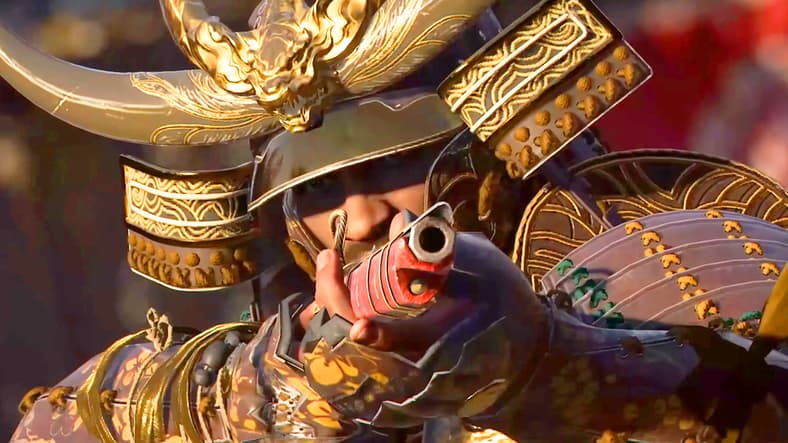
Word of the now-cancelled Assassin’s Creed entry was first brought to light courtesy of Game File reporter Stephen Totilo, who had himself gleaned the information from “interviews with five current and former Ubisoft employees who spoke to Game File on the condition of anonymity because they were not authorized to speak about the project.”
According to these anonymous employees, the follow-up to Assassin’s Creed Shadows would have taken its furthest jump yet towards the ‘present day’ and dropped players into America’s Reconstruction Era, a period of roughly twelve years immediately following the conclusion of the country’s Civil War defined by its efforts to both rebuild the war-torn nation and enforce its new ‘No Slaves’ status quo.
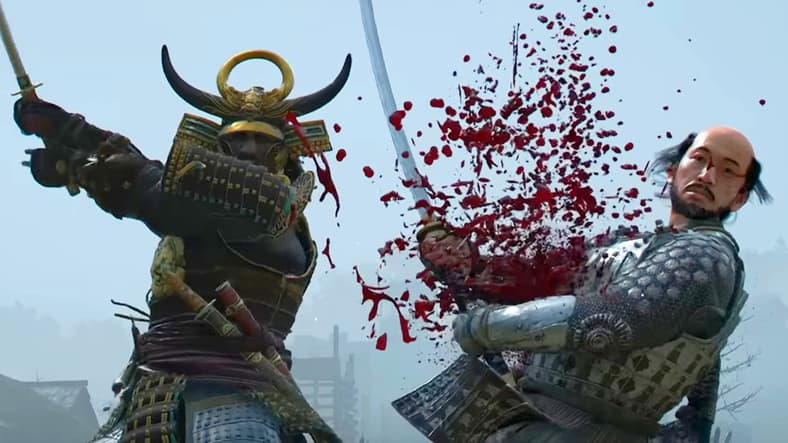
Therein, players would have stepped into the shoes of a now-freed black slave who, after moving West in search of a new life following years of forced labor in the South, is recruited by the Brotherhood to deal with a brewing plot within the former Confederate States.
While Totilo’s sources did not provide any details regarding said plot, they did confirm that the game would have seen the protagonist dealing with the birth of the Ku Klux Klan, which was born into its pathetic existence in 1865.
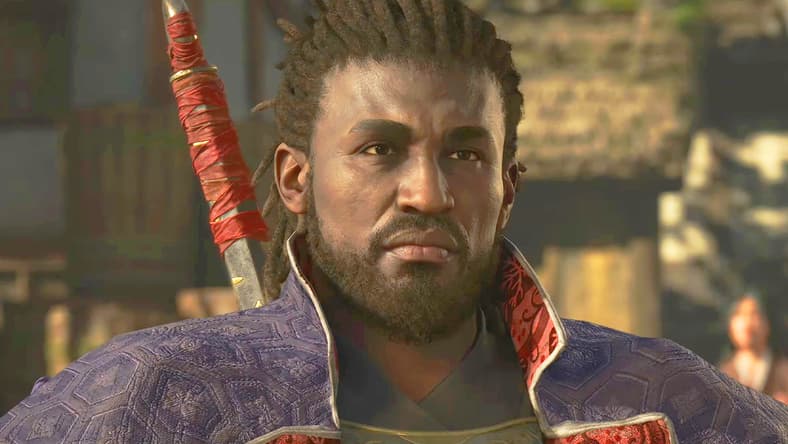
With all five noting that they were, per Totilo, “enthusiastic about the game, but were also frustrated by its cancellation, which they perceived as Ubisoft bowing to controversy”, three of these sources further explained that according to internal communications from Ubisoft’s Paris HQ, the American-set Assassin’s Creed was cancelled for two explicit reasons: The first being the “online backlash that spring to the reveal of Yasuke, a historically-inspired Black samurai, as a protagonist in the company’s then-upcoming Assassin’s Creed Shadows” and “concern that the political climate in the United States was becoming increasingly tense.”
“Too political in a country too unstable, to make it short,” described one source of the situation.
Sadly, for all the criticisms one could level at Ubisoft over their crappy business decisions, corporate greed, or the ever-dropping quality of their releases, including those related to the Assassin’s Creed series, nothing will change the fact that their apparent read of the US climate right now is sadly spot-on.
Where once a large portion of center-right leaning audiences rejected the reactionary identity politics seen from the video game industry’s more aggressively progressive developers, recent months – and especially those since President Donald Trump’s second term inauguration in January – have seen many a self-proclaimed ‘free speech warrior’ gleefully indulging in the ‘victimhood opportunism’ they once decried.
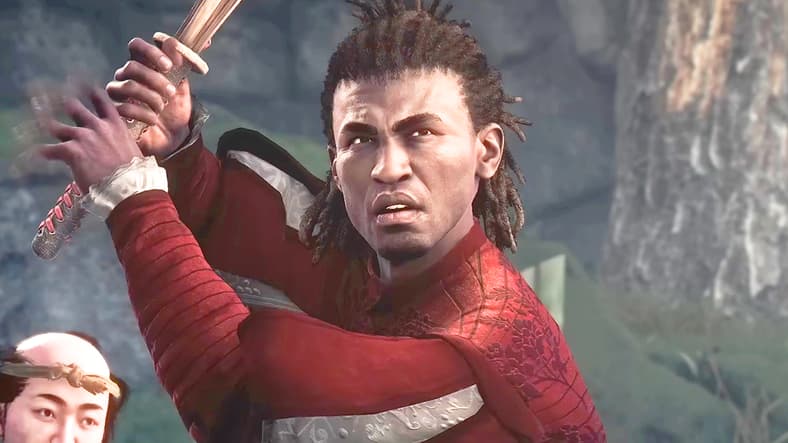
For a good example of this phenomena, one need look no further than the aforementioned Assassin’s Creed Shadows.
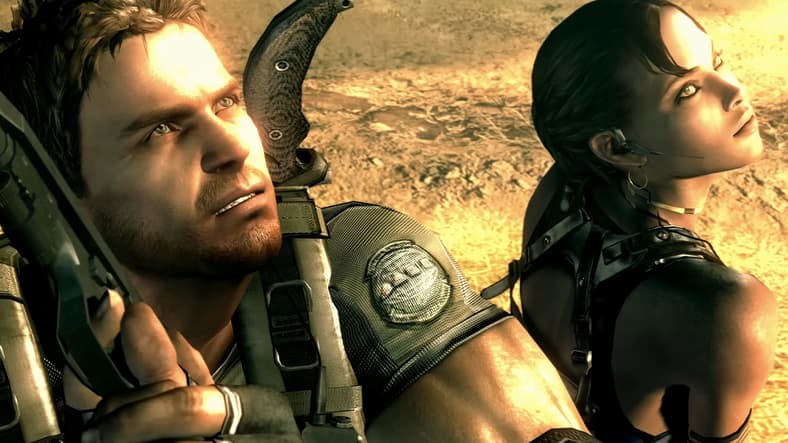
While Ubisoft absolutely and drastically dropped the ball in regards to respecting the game’s historical Japanese setting, with self-inflicted errors including their insistence that a poorly-researched ‘pop history‘ profile of the historical Yasuke was the undisputed truth, unauthorized use of a historical reenactment group’s fictional unit banner, and more misunderstandings of the time period’s customs and aesthetics than one can shake a katana at, ‘anti-woke’ commentators eventually became so sensitive about Shadows‘ existence that they began crying racism over its foreign-born protagonist being allowed to enact violence upon both Japan’s native people and an in-game recreation of a real-world Shinto shrine – An absolutely insane notion overall, but especially coming from many who rightfully defended Chris’ African excursion in Resident Evil 5 and never batted an eye when it came to burning churches in Assassin’s Creed Valhalla or the killing of real-world Catholic leader Pope Alexander VI in Assassin’s Creed: Brotherhood.
That was in March, before events like the killing of late Charlie Kirk, the government-influenced cancellation of Jimmy Kimmel, and the Trump administration’s continual celebration of their 12-year-old behavior, emboldened the aptly-deemed ‘woke right’ with a false sense of moral righteousness, their in-group convinced that ‘persecution makes right’.
At this point in time, when even something as straight forward as Batman telling two unknown members of Gotham City’s notoriously corrupt Police Department that he does not endorse “police brutality and murder” is somehow taken as controversial, Ubisoft sadly knew that rather than actually exploring one of the most untapped settings in fiction, the winning move was not to play.
And yeah, Ubisoft would probably f**k it up like they usually do! But at least it would be a unique flavor of bad that could serve as an “I do it myself” moment for a more capable studio to deliver an actually interesting Civil War era adventure.
