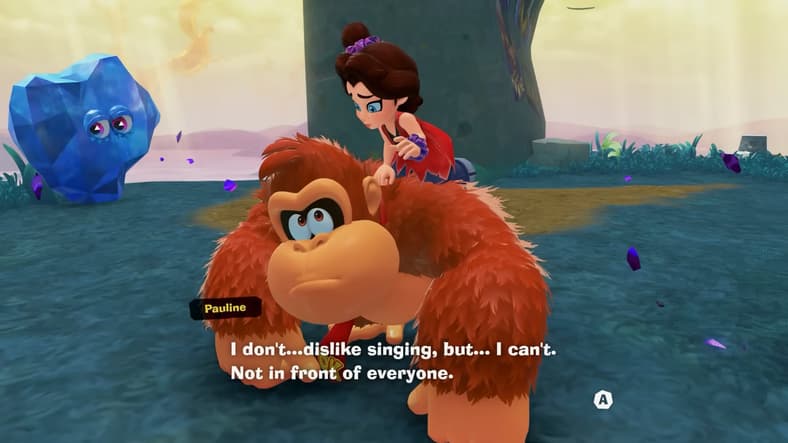
‘Donkey Kong Bananza’ Devs Say Changing DK’s Design “Wasn’t The Original Goal”, But Was “Inevitable”

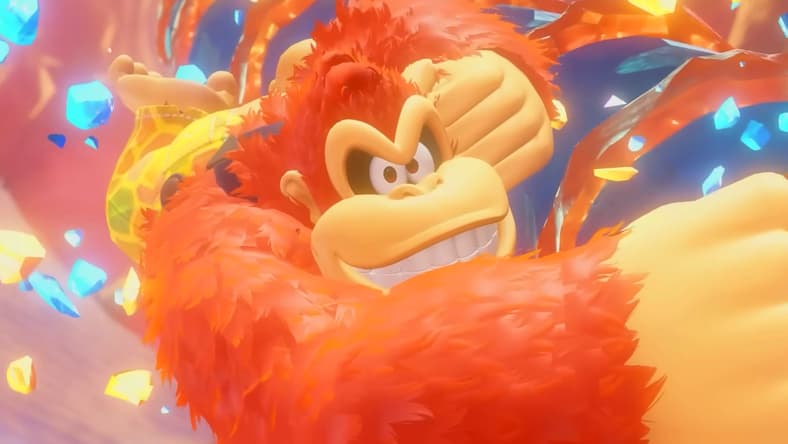
As the pros and cons of the Nintendo mainstay’s latest redesign continue to be a regular topic of debate among fans, the dev team behind Donkey Kong Bananza has admitted that while they did not originally intend to make such a massive change to its protagonist’s appearance, their vision for the game’s direction ultimately made the visual update an outright necessity.
This insight into DK’s new look was provided by the game’s lead director, Kenta Motokura, co-director Wataru Tanaka, and character designer Daisuke Watanabe, during a recent interview given to Japanese video games news outlet Famitsu.
Pressed by their host as to how the three went about creating a solid vision for DK’s latest adventure out of team’s varying impressions of DK, with some being based on his SNES incarnations, others his N64, and so on and so forth, Motokua explained, as machine translated by DeepL:
First, as we developed the new DK, we decided to incorporate the images and characteristics we heard from staff members from various angles.”
From there, Watanabe added:
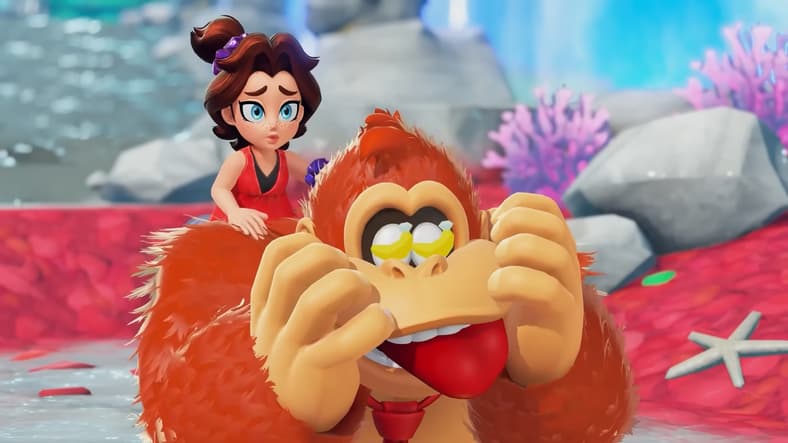
“DK started as the villain in the original Donkey Kong, but he’s also been portrayed as a jungle king at times. We saw this wide range of experiences as one of his defining traits. We thought expanding his range of expressions, including his personality, would make his DK-ness stand out more. We focused on designing those aspects carefully.
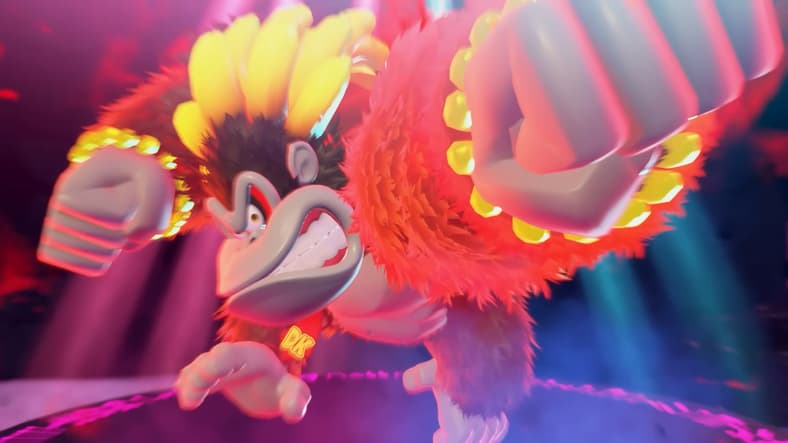
“During this process, we also consulted staff who had previously illustrated DK. They shared insights like, ‘Making this part bigger makes it feel more like DK,’ helping us confirm key points regarding expressions, physique, and more. Using that as a reference, we created a design that incorporates the feel of this new game while maintaining a broad range of imagery.”
Further pressed by their host, “You needed to change the design to create a character image fitting for an entirely new Donkey Kong game?”, Motokura confirmed, “Exactly. Changing the design wasn’t the origina lgoal; it was an inevitable part of creating a new game.
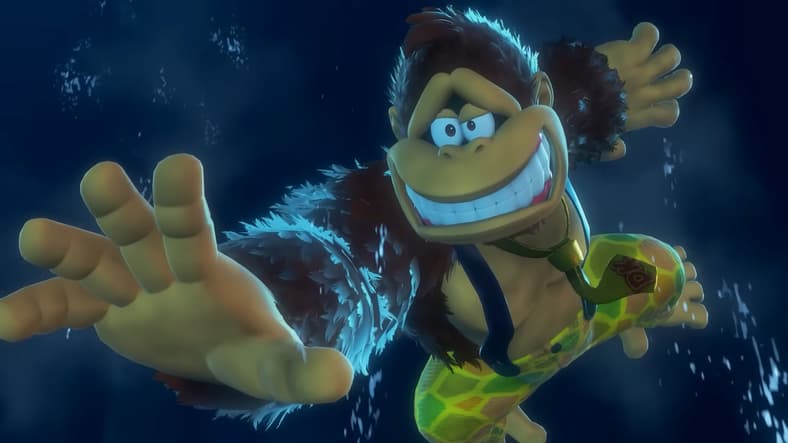
Drawing this topic to a close, Watanabe added to his colleague’s thoughts and recalled, “The intent was to showcase his diverse facets.
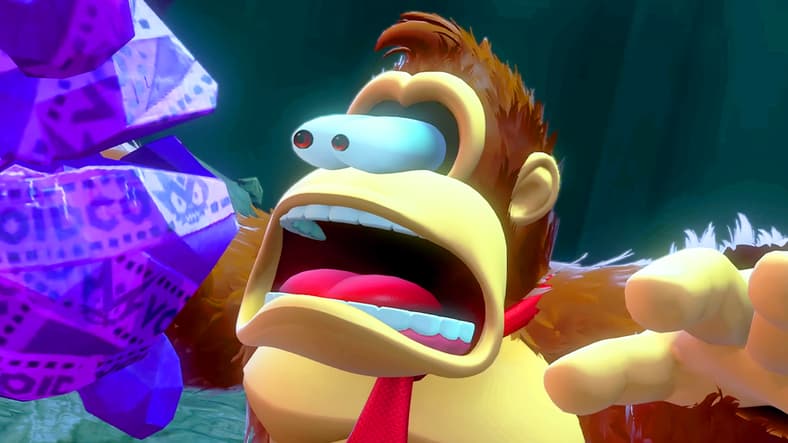
“Regarding the design, during the early development stages, we created a temporary 3D model and animated it. Seeing him move on screen made him appear very large, giving us the impression, ‘This is a character where facial expressions will really stand out.’ Since this could become a defining feature of the game, we decided to put particular effort into creating a wide range of expressions this time.
“Also, since we knew the action would be extremely diverse, we aimed to design it so that the actions and expressions would sync up, making the gameplay itself fun and satisfying just to control.”