
After Epic Games CEO Argues Against AI Video Game Disclosure, Machine Generated Assets Appear To Flood ‘Fortnite’ Chapter 7

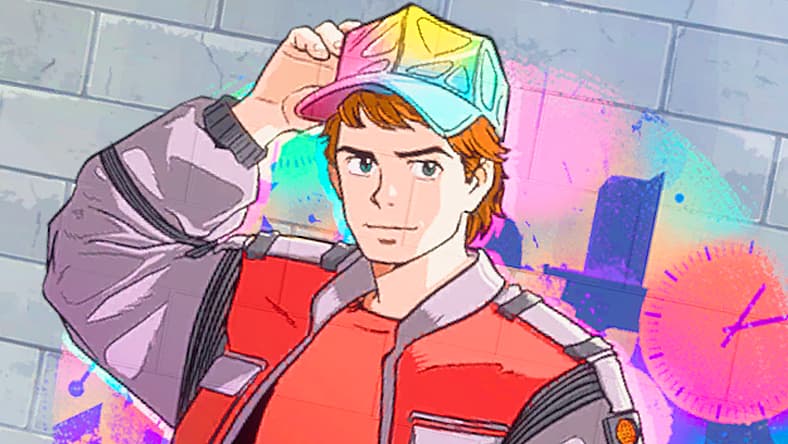
Just days after Epic Games CEO Tim Sweeney drew a wave of backlash for arguing that AI use disclosures have no place in the video game industry, the release of Fortnite‘s Chapter 7 update has apparently littered the popular battle royale title with the first off what is sure to be many, many machine generated art assets.

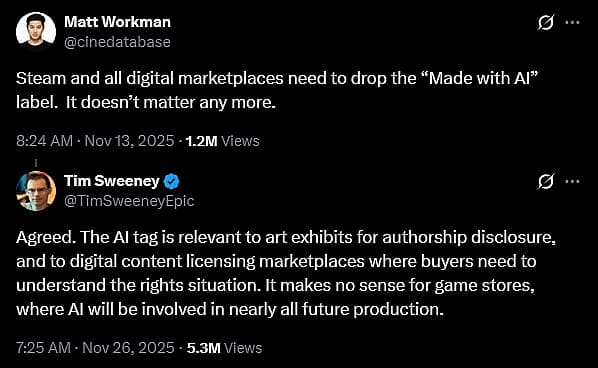
On November 26th, taking notice of a tweet arguing that “Steam and all digital marketplaces need to drop the ‘Made with AI’ label. It doesn’t matter anymore,” Sweeney took to his own personal Twitter account to declare, “Agreed. The AI tag is relevant to art exhibits for authorship disclosure, and to digital content licensing marketplaces where buyers need to understand the rights situation. It makes no sense for game stores, where AI will be involved in nearly all future production.”
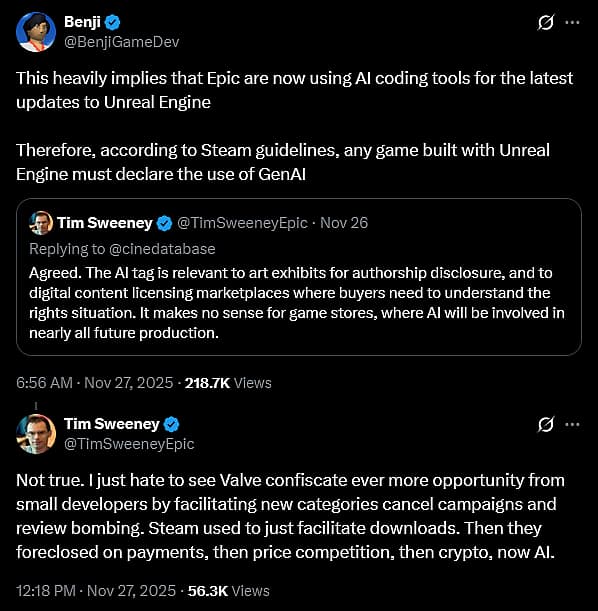
Met with the shock from aspiring game developer Benji, who in turn observed, “This heavily implies that Epic are now using AI coding tools for the latest updates to Unreal Engine Therefore, according to Steam guidelines, any game built with Unreal Engine must declare the use of GenAI,” the Epic Games CEO offered a prompt denial, explaining, “Not true. I just hate to see Valve confiscate ever more opportunity from small developers by facilitating new categories cancel campaigns and review bombing.”
“Steam used to just facilitate downloads,” he added. “Then they foreclosed on payments, then price competition, then crypto, now AI.”
Given the absence of any then-recent moves or announcements from either Sweeney or Epic Games at large regarding generative AI use in any of their current or future titles, Sweeney’s declaration was taken by players as yet another rhetorical argument on the subject of the technology’s ethical application in video game development.
However, the very next day came the release of Fortnite‘s long-awaited Chapter 7 update, the IP crossover-heavy excitement of which soon gave way to the discovery that its brand new, post-The Simpsons map was littered with apparently AI-generated art assets, ranging from
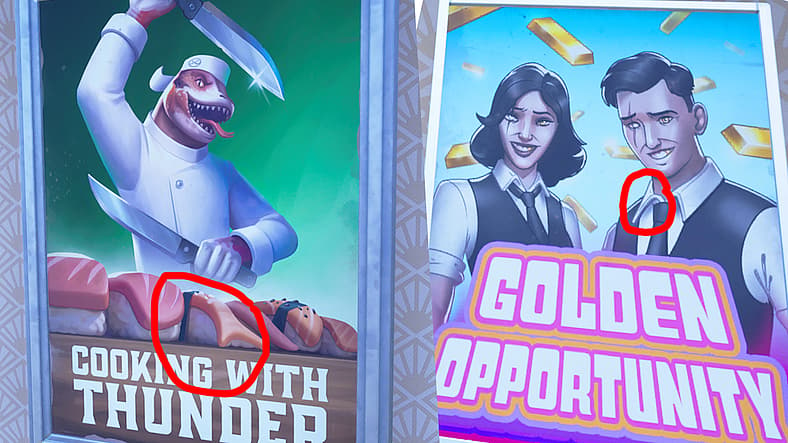
While Epic Games has yet to offer any sort of official statement regarding their specific use of generative AI, and though nearly every spray, in-game poster, and even Fortnite original jam track covers give definitive ‘non-human vibes’, the technology’s fingerprints can definitively be identified in such assets as the in-game posters for the fictional televisions ‘Cooking With Thunder’, whose featured line-up of nigiri features one with an obvious ‘fish tail’, and ‘Golden Opportunity’, which sees a nonsensical fold on Midas’ collar:
As well as the Battle Pass’ Looking McFly emoji, which depicts the eponymous protagonist of the Back to the Future franchise, himself available as part of this season’s premium offerings, with a very obvious Studio Ghibli-like appearance – an obvious AI tell thanks to the unplanned model poisoning that occurred thanks to last summer’s ‘Ghiblify yourself’ social media trend:
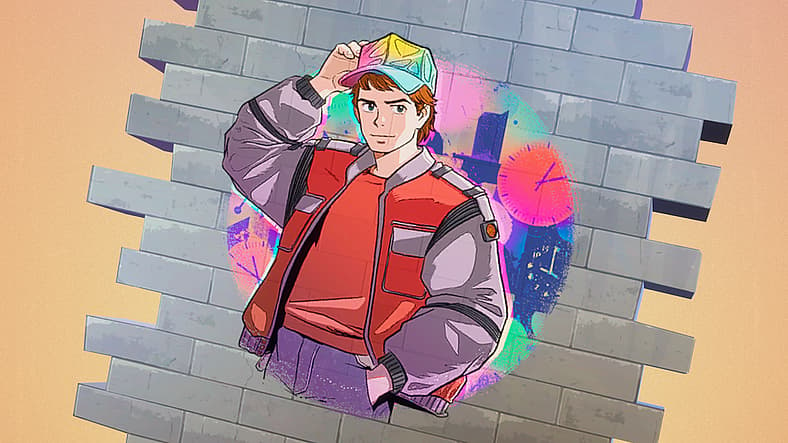
As noted above, the extent to which Epic Games used generative AI in developing Fortnite‘s latest chapter, as well as the specific items it was applied to, has yet to be publicly detailed.
Notably, this is not the first time Fortnite has featured AI technology, with this year’s earlier Galactic Battle mini-season featuring a a machine recreation of James Earl Jones’ Darth Vader that was able to hold rolling conversations with and take order from players in his voice.
However, while many players had no issue with the Sith Lord experiment, it’s likely that the backlash that is already starting to trickle out over social media is rooted in the fact that generative art assets were not generated with the consent of the original artists whose work was used to train the relative models.
