
Legendary ‘Final Fantasy’ Composer Nobuo Uematsu Disappointed With Less “Weirdness” In Modern Video Game Music

Speaking as easily one of the most leading experts on the entire genre, legendary Final Fantasy series composer Nobuo Uematsu has admitted that while production technology is much more robust and accessible than in years past, this progress has led to an unfortunate lack of “weirdness” in modern video game music.
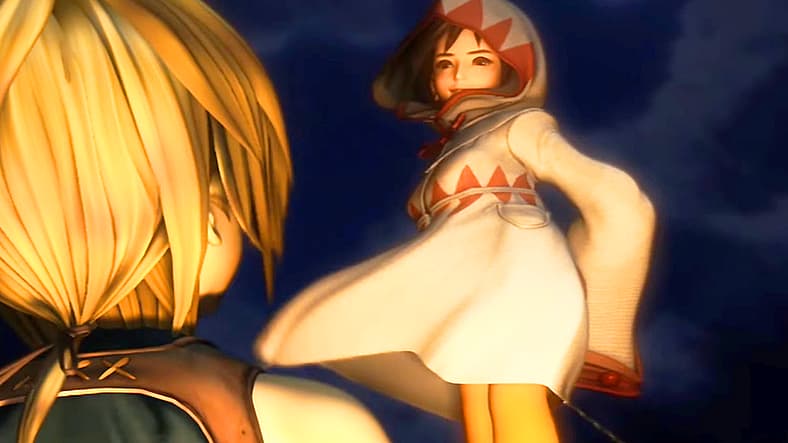
RELATED: ‘Magic: The Gathering’ Devs “Will Likely Take Action” Against ‘Final Fantasy’ Terror ‘Vivi Ornitier’
During a recent interview with Japanese music news outlet Real Sound Japan, as held in service of getting his thoughts on a variety of new music-related electronics – including Astell & Kern’s A&ultima SP4000 and PD10 digital audio players, QDC’s 8PRO 8 BA in-ear monitors, and AZLA’s Trinity headphones – the famed keyboard master was met with the observation that across numerous interviews in recent years, he seemed to believe that there was “some stagnation in current game music.”
As machine translated by DeepL, Uematsu explained in turn that while stagnation may not be quite the right word, he did feel that the video game industry had become too corporate and ‘safe’ in its approach to both composing and producing soundtracks:
“I wouldn’t call it stagnation, but I do think directors and producers hold too much power in the music department. Even now, composers in games aren’t really in a position to voice their opinions. No matter how much knowledge and skill you have, it’s hard to get your point across.
“There are very few producers who are well-versed in global entertainment and knowledgeable about various music genres. It’s often seen as sufficient to just play cinematic music reminiscent of John Williams. I want to change this situation, but the larger the content becomes, the more challenging it feels. Personally, I wish more vibrant young indie artists would step forward.”
Pressed by his host if he felt there was “a difficulty unique to game music”, particularly given how “the game comes before the music, it inevitably leads to creation that conforms to it”, Uematsu argued that such circumstances did not automatically preclude an artist from getting creative, as evidenced by his personal musical hero, Elton John:
“No, on that point, I think Elton John faced the same thing. He had to bring profits to his record company too, so he had to prioritize ‘selling’ over music. Even so, he kept making great albums after his string of masterpieces in the 1970s. In that sense, I think there’s still plenty we can do. History is the accumulation of traditions and culture from the past, so that’s important in itself. But it’s about where the people building that accumulation are looking.
“If we were satisfied just doing the same thing as [Star Wars, Indiana Jones composer] John Williams, that would be the end of it, right? It’s a bit extreme, but what kind of music would happen if you combined that with techno? (laughs) I think it’s okay to have that kind of idea. It’s puzzling why young people aren’t emerging now to make game music with analog synthesizers. If someone asked me, I’d absolutely do it (laughs).”
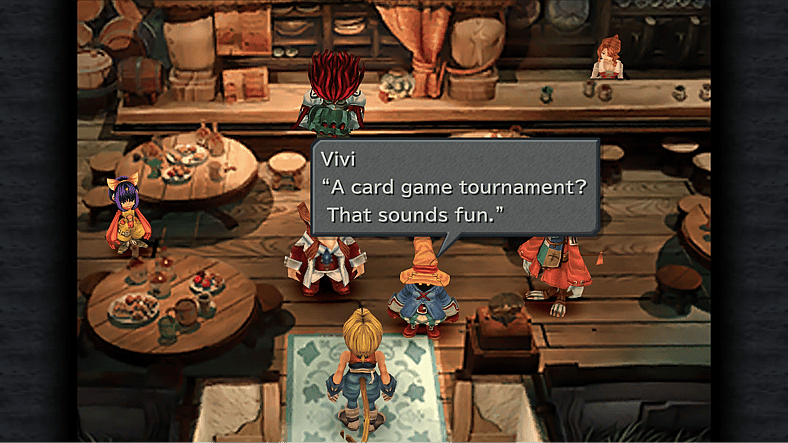
From there asked if he felt that modern music producers inability to “play the real instruments” was a major reason behind this industry-wide lack of experimentation, the man behind One-Winged Angel posited that this was just one part of the equation, with the other being a desire to achieve ‘pleasant perfection’ over anything else:
“[Music producers] are expensive, too. But the analog synth approach used by people like [late Japanese electronic music pioneer] Isao Tomita and [late Greek Blade Runner composer] Vangelis – I think it would be really interesting if done now. Layering monophonic synthesizers over and over to create music with a unique texture.
“Honestly, I think the mainstream approach now is using sequencer computers with the pleasant-sounding tones of digital synths, ensuring everything stays perfectly in tune. But music made by layering hand-played single-note synths? It’s just different. To put it more simply, there’s less of that ‘weirdness’ to it.”
For an example of this missing ‘weirdness’, Uematsu offered up his 2015 album BRA★BRA FINAL FANTASY / BRASS de BRAVO, for which he re-composed a number of classic Final Fantasy tracks into fully orchestrated concert pieces:
“As the name suggests, it’s a wind ensemble concert dedicated solely to the Final Fantasy series, but it’s not an authentic orchestral event. We announce the concept online beforehand and ask the audience to bring their own instruments. Then everyone plays specific pieces together. I’ve been thinking it’d be great to have a rowdy orchestra concert, so lately I’ve been doing various things like that.
“I do have my own sense of ‘harmony,’ but since it’s a live event, you never know what’ll happen. I do things that weren’t planned, and it’s fun to see how that connects to what comes next and how it all unfolds. I think that’s the essence of non-digital entertainment, and with Final Fantasy, where I’m mainly active now, I want to express that.
“Thanks to my involvement with Final Fantasy, I’m fortunate to still get various opportunities. It might be a bit of a ‘cheat’ approach, but even then, I try to subtly slip in what I want to do and keep experimenting.”
