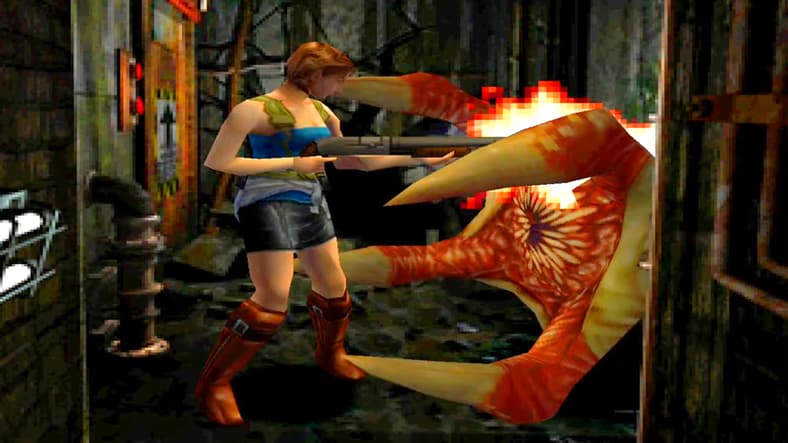
GOG Says Capcom “Didn’t Really See The Value” In Preserving Original ‘Resident Evil’ Games Because Remakes Are “The Superior Experience”

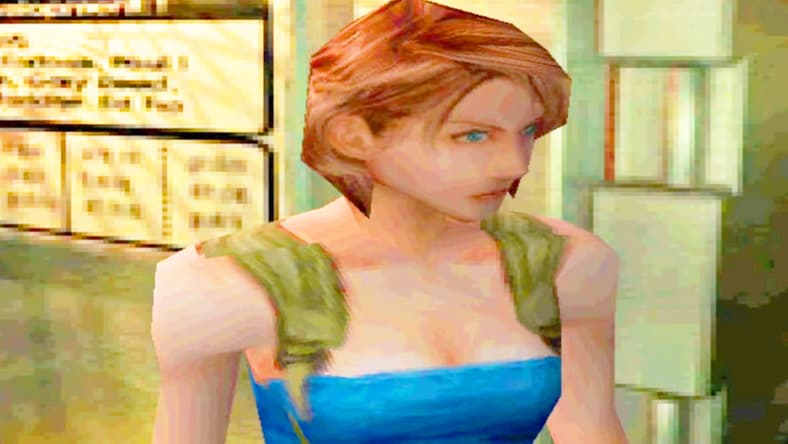
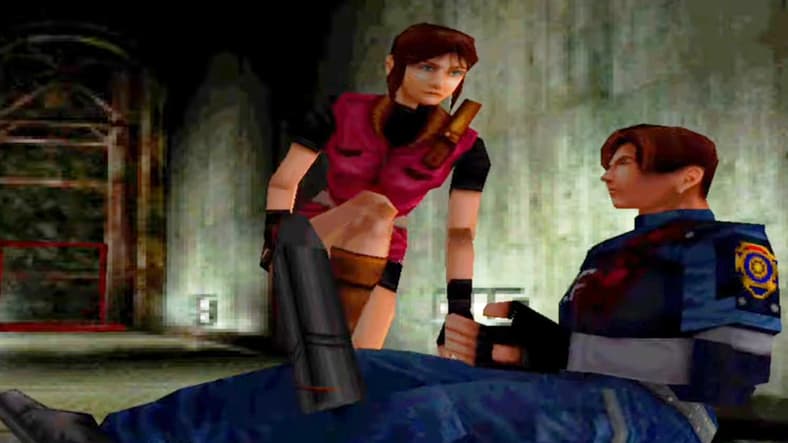
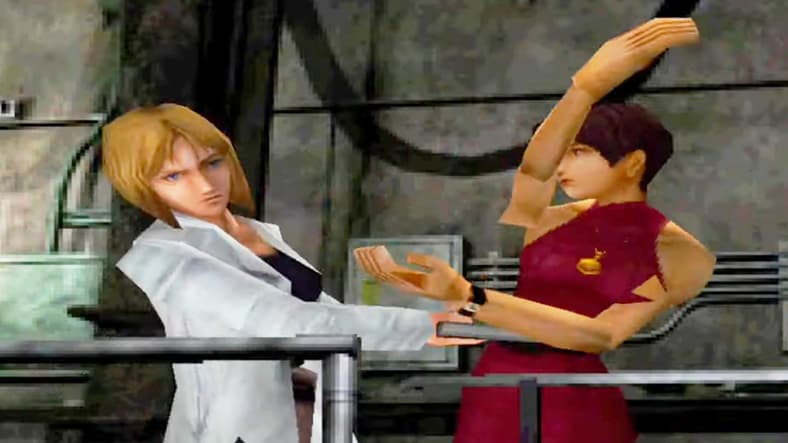
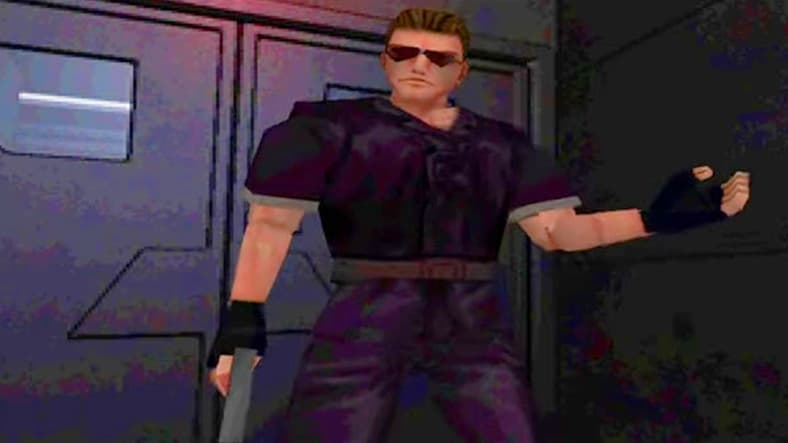
Though they were ultimately able to add the seminal horror-action games to their GOG Preservation Program last November, GOG has revealed that Capcom initially saw no point in archiving the first three Resident Evil games’ original releases because each game’s respective remakes were the “superior” way to play them.
This bit of undead trivia was revealed by GOG senior business development manager Marcin Paczynski during a recent interview with veteran industry analyst and The Game Business proprietor Christopher Dring.
Met with surprise from Dring regarding their decision to preserve the “OG” versions of Resident Evil, Resident Evil 2, and Resident Evil 3: Nemesis rather than any of the remasters or remakes, Paczynski quickly recalled now only recalled how Capcom had the same reaction to the idea, but also that the developer’s own confusion proved a significant roadblock to the entire endeavor:
[Time Stamp: 05:00]
“I was one of the people that spearheaded this project within GOG, like convincing Capcom, because that was actually their main counterargument when we were trying to bring back the classic games. They were like, ‘Okay, but we have all of those remakes. It’s already the superior experience to those games.’
“They didn’t really see the value in bringing back the vanilla versions. It took a lot of convincing that ‘Hey guys, there is an audience that has a lot of memories about those games and they would love to be able to experience exactly the same game again.
“Thankfully, we were able to convince them to trust us with working on one of their biggest IPs if not the biggest. And when we launched on GOG, the reception was absolutely phenomenal. We have 94% positive reviews on GOG for all of them. That was also reflected in the sales. It proved that there is an audience for this. So, it doesn’t matter if the game was remade or not, the classical versions, the versions we all remember from our childhood, they still hold a lot of value.”
Adding to his argument, Paczynski then pointed to the “growing trend with retro gaming.”
“Look, for example, at the extreme success of Old School RuneScape. Now, it’s an online game. If you look at this game right now, it looks absolutely terrible if you do not know the context, how the controls work, why the graphics look like this. But the game is immensely popular, it’s equal [to the mainstream RuneScape]. So there is an audience for games like that, for experiences like those old school ones, and this audience is, I think, only growing.”
Paczynski then acknowledged that “It’s natural for game developers that want to protect their IPs, and they are really trying to protect the launch windows, because that is really important,” especially as “they’ve invested very meaningful resources into realizing their creative visions”, but “at the same time, after this initial, hypersensitivity period ends, does it really warrant having all of those obstacles and DRM in those builds?”
“One of the biggest obstacles that we run into with bringing back games are all the DRM systems that were implemented, and the creators of that software being no more,” he ultimately explained of the subject. “It’s very hard to get rid of that and make the game playable again.”