
‘Macross’ Designer Says USA Lacks New Characters Due To “Mass Market” Expectations – And Maybe “Religious Constraints”

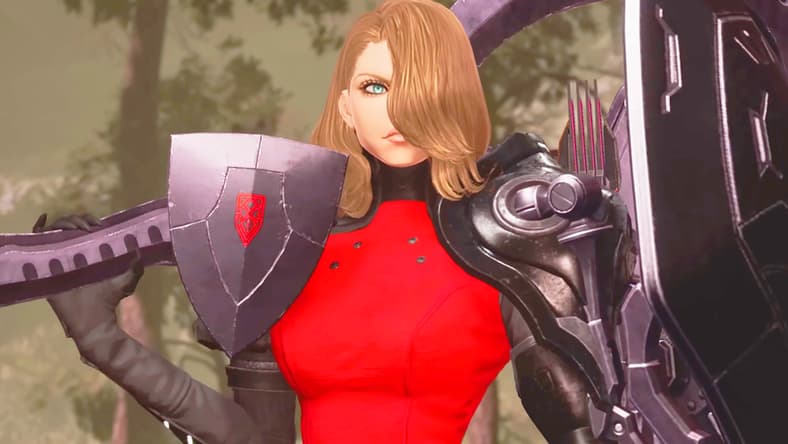
In offering his two cents on the Western media superpower’s ongoing struggle with originality, Macross anime and Daemon X Machina video game series mechanical designer Shōji Kawamori believes that America’s inability to produce new and captivating characters stems from the country’s more ‘profit-driven’ creative culture – and maybe a little from their Judeo-Christian religious leanings.
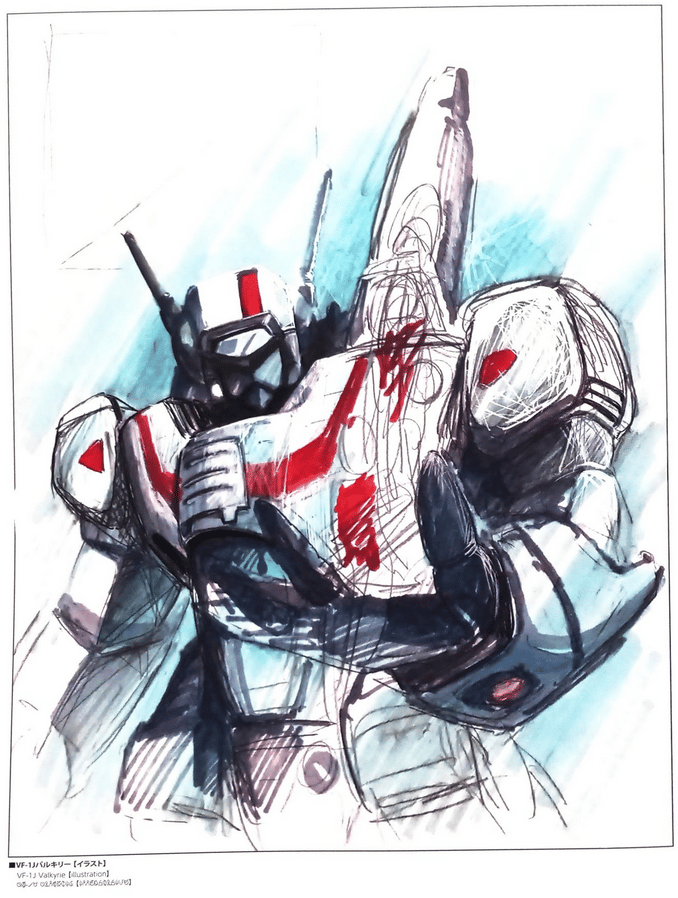
The iconic machinery-and-robotics illustrator, who in addition to designing and currently overseeing the mechanical aesthetics for said franchises has also notably lent his talents to Daemon X Machina producer Kenichiro Tsukuda’s previous Armored Core series and TakaraTomy’s Diaclone/Transformers toy line (for which one one of his most notable of creations is none other than Optimus Prime himself), spoke to America’s character creation struggles while speaking to Japanese video game news outlet Famitsu regarding his creative direction for the soon-to-release Daemon X Machina: Titanic Scion.
As machine translated by DeepL, “In my definition, mechanical design like this time involves the transformation mechanisms, aerodynamics, and other related aspects as the core design, while everything else falls under styling. However, when the styling subject is a main character-level mecha, it gets categorized as ‘character design.’ But I still haven’t been able to articulate a precise definition within myself for ‘why it shifts from styling to character design’.
“With mechanical design, I can state it clearly like I did earlier, but determining where it becomes a character is incredibly difficult… And it gets even harder when it comes to creating sustainable characters.”
“Characters with the potential for sustainability are extremely limited, and it’s incredibly difficult to pinpoint what makes them sustainable. Mobile Suit Gundam has lasted this long precisely because it possesses that potential for sustainability.
RELATED: ‘Macross’ And ‘Robotech’ To Co-Exist As 20-Year Rights Battle Finally Comes To An End
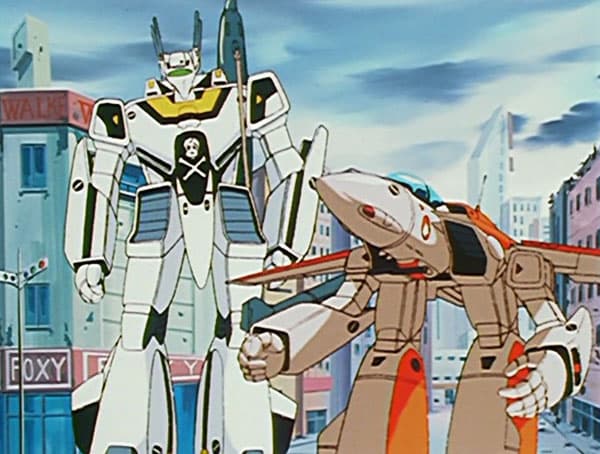
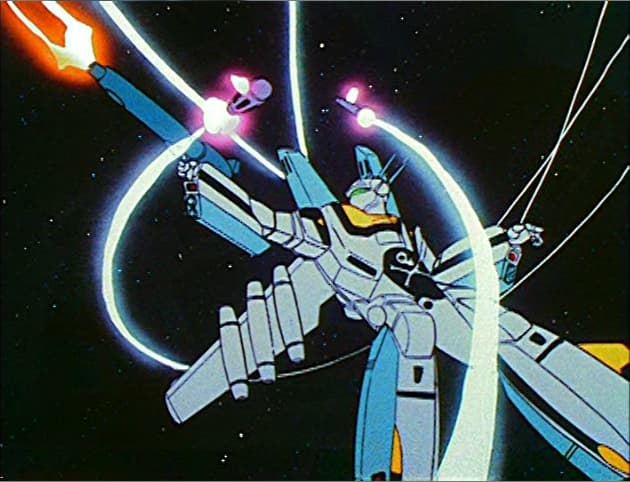
“Mobile Suit Gundam is an excellent example of character design. However, its functionality (realism as a mecha) is relatively weak, with character appeal probably making up about 80% of it. Conversely, I think [Macross‘ VF-1] Valkyrie is about 70% functionality and 30% character appeal.
“As content, it can’t survive unless the character design is strong. I think that’s a crucial point. However, the stronger the character appeal becomes, the more functionality gets sacrificed, leading to a sense of artificiality or increased fantasy elements.”
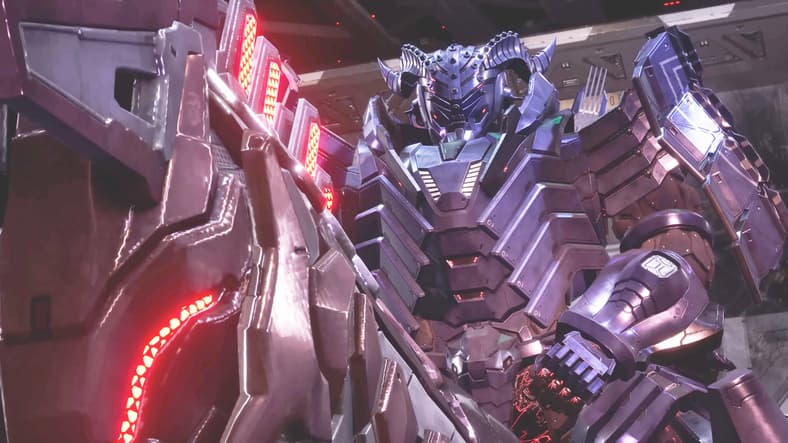
Drawing his initial thoughts to a close with the observation, “Japan is a character powerhouse, so it really makes you think,” Kawamori then found his mind piqued to a related topic, to which he then turned to the interview’s other guest, the aforementioned Tsukuda and asserted, “Speaking of characters, there’s something I’m personally very curious about”.
“Last year, someone from a huge overseas film production company asked me, ‘How does we create new characters one after another like Japan does?
“While they are a major player, their success relies heavily on a few iconic characters, and they weren’t mass-producing characters as much as I’d assumed. Being in Japan, creating characters has become so routine that we’ve perhaps become numb to it.
“That question made me realize character design must be considered a distinct category within design itself.”
Met by his creative partner with a succinct reply of, “I feel Japan has many platforms where individuals can showcase their creations. That freedom might be why we became a character powerhouse,” the Macross visionary concurred, “True. Not having to jump straight into the massive mass market is definitely a factor.”
But far from the only factor, Kawamori then posited, “I also sometimes wonder if religious constraints play a role.”
“That makes sense,” said Tsukuda. “It seems likely.”
“For example, Japan has the Tower of the Sun [a 70ft statue, as designed by artist Taro Okamoto for the 1970 Japan World Exposition, adorned with non-denominational ‘spiritual’ imagery and intended as a celebration of humanity’s continued evolution] which has stood as a symbol of the Expo for 55 years,” concluded Kawamori. “While the world has many giant statues depicting heroes or goddesses, there are almost no character statues like the Tower of the Sun that represent ‘something that doesn’t exist.’ I wonder if the religious views play a role in that.”
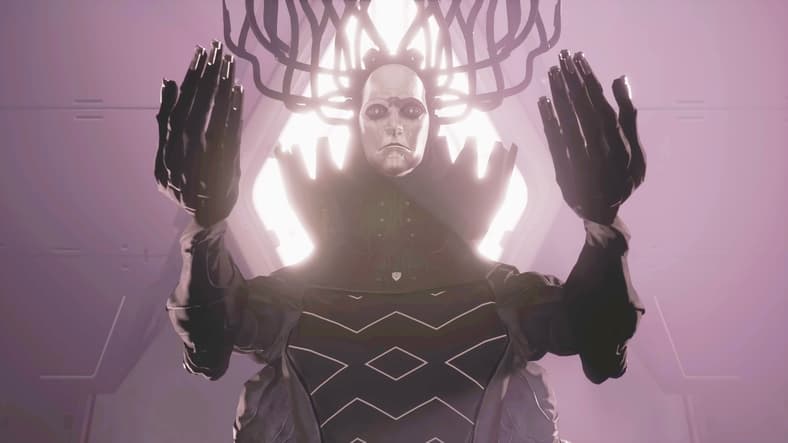
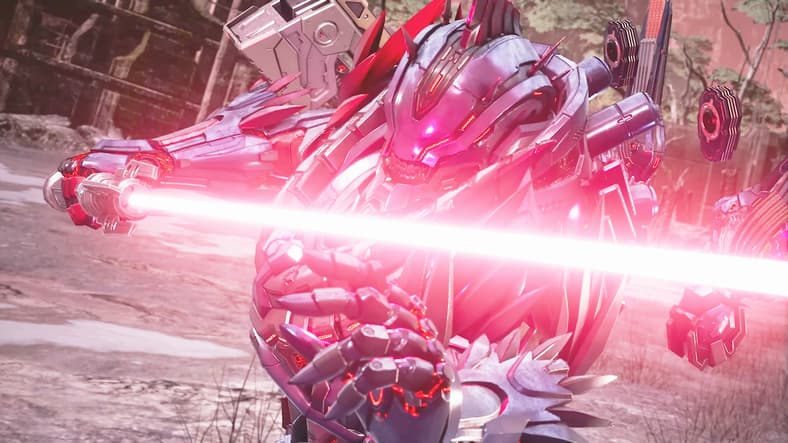
The second of hopefully three games in the fledgling mecha series – “It’s still just at the planning stage, and I doubt it’ll happen unless this one sells,” laughed Tsukuda – Daemon X Machina: Titanic Scion is currently set to deploy this Friday, September 5th, onto the Nintendo Switch 2, PlayStation 5, Xbox Series X|S, and Windows platforms.
