
Top 7 WTF Moments In Gaming In 2025

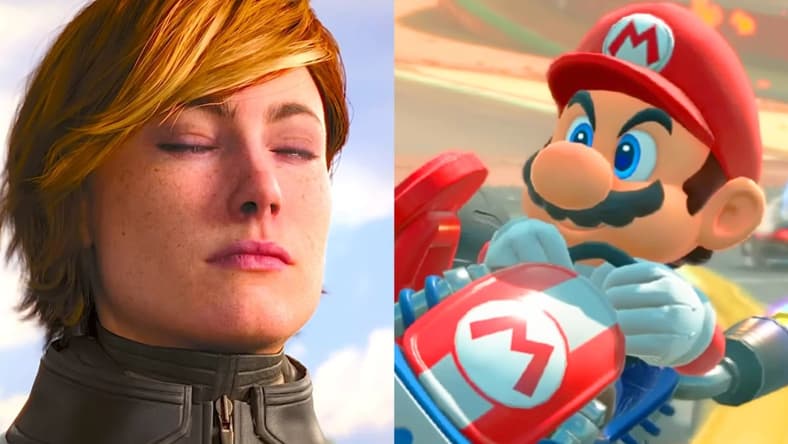
Despite an overall revenue increase for corporates and a record number of new games being released, 2025 was another sloppy year for gamers, with most of the year’s AAA releases failing to impress. Major hardware launches, led by Nintendo Switch 2, also did little to improve the year’s dull mood as they were accompanied by largely unjustified price hikes. Developers didn’t fare any better either, as the industry witnessed record game cancellations and studio shutdowns, casting more worries over the future of the industry.
RELATED: The 10 Most Expensive Video Games Ever Made: Ranked
Gaming, however, is by no means on its knees, as seen in the welcome reception of Assassin’s Creed: Shadows, Donkey Kong Bonanza, and Dispatch. Unfortunately, the inflow of these quality titles was slow, which meant positive moments were few and far between. Sticking points, on the other hand, were on the rise, so here is our list of the seven most concerning trends witnessed in gaming in 2025.
7. The $55 Billion Saudi Deal for EA
Saudi Arabia’s human rights record is a major global concern, although the influence of the country’s powerful Public Investment Fund has proved irresistible to most industries, and gaming is not any different. The Saudis now have a significant stake in Nintendo as well as Take-Two Interactive. The fund’s biggest move, however, came in September 2025 when they were joined by Silver Lake and Jared Kushner’s Affinity Partners in the $55 billion buyout of Electronic Arts.
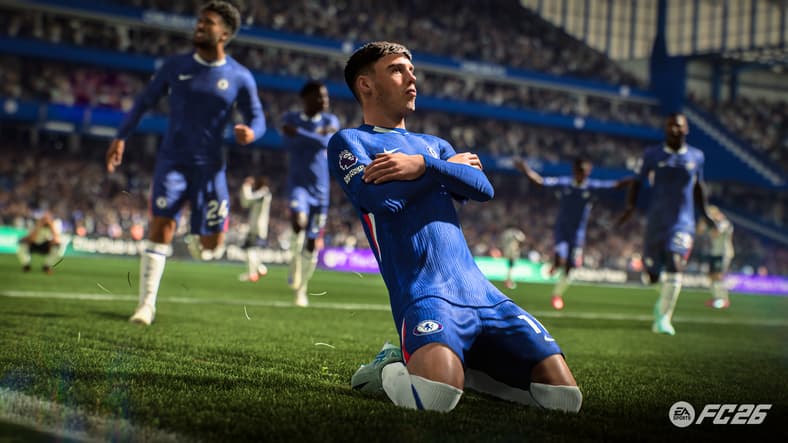
The deal, which took the company private, is the second-largest in the history of gaming after Microsoft’s $69 billion purchase of Activision in October 2023. The deal, which saw EA shares valued at a whopping $210 each, turned one of the most historically significant companies in gaming into another asset in the hands of the Saudi state, a position many gamers worldwide aren’t comfortable with. The deal wasn’t exactly bad for the company, though, as its biggest game release of the year, EA FC 26, still enjoyed record sales.
6. Credit Card Companies Censor Adult/NSFW Games
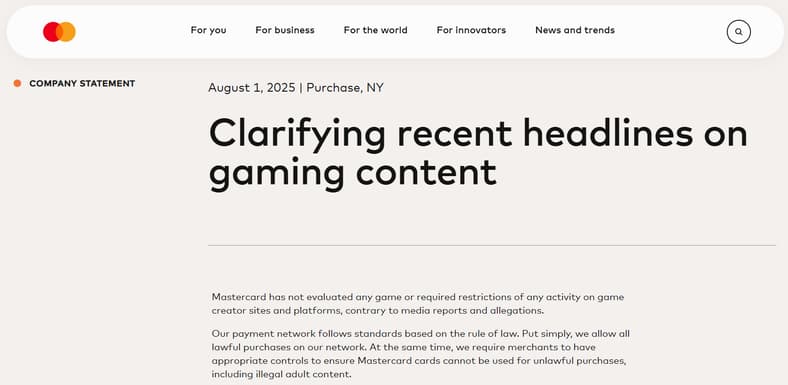
Mastercard, Visa, Stripe, and PayPal were drawn into playing the morality police by Collective Shout, an Australian anti-porn lobby group, which won a campaign for them to stop processing transactions on Steam and Itch.io for video games they consider inappropriate. Both platforms eventually bowed to the pressure, leading to thousands of games suddenly becoming unavailable despite intense backlash from the rest of the gaming industry, including some traditionally left-leaning voices.
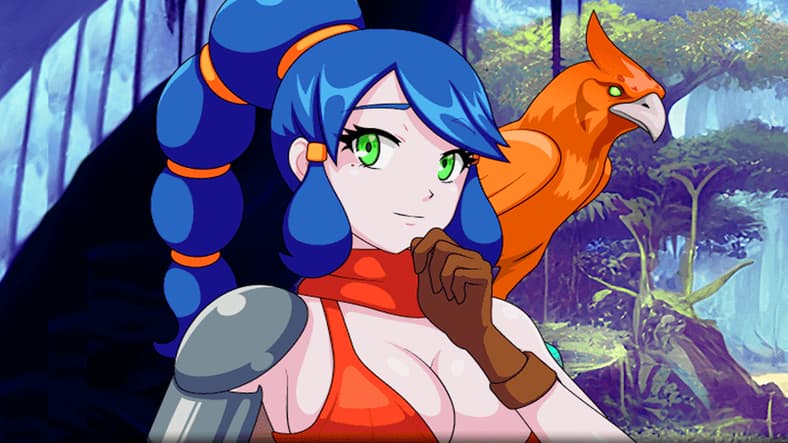
While the group’s campaign is justified, it doesn’t seem to favor freedom of information if only one group decides which video games the rest of the world gets to play. This move has shed more light on just how much power credit card companies have over the gaming industry. In retaliation, some developers launched their own payment platforms, although their reach is quite limited.
5. GTA VI delays
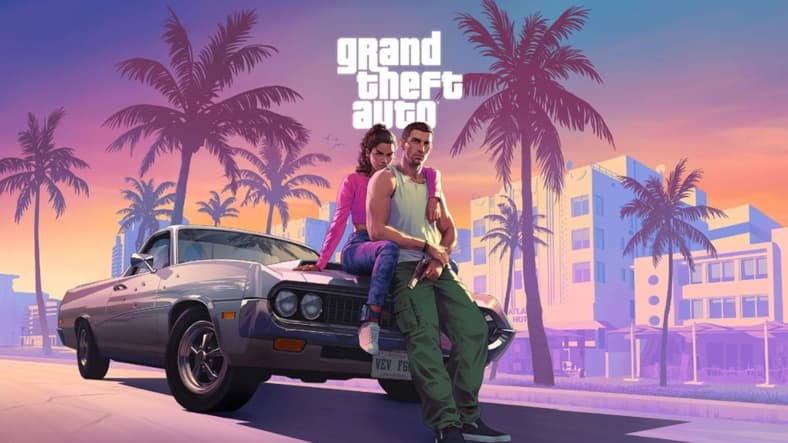
The release of GTA VI is set to revolutionize the gaming industry in many ways, with rumors suggesting that it could be the first $100 game, setting up the stage for the next generation of AAA games. The game was initially scheduled for the fall of 2025. However, in May 2025, Rockstar Games announced that it would now be released in May 2026, a date that was later changed to November 2026.
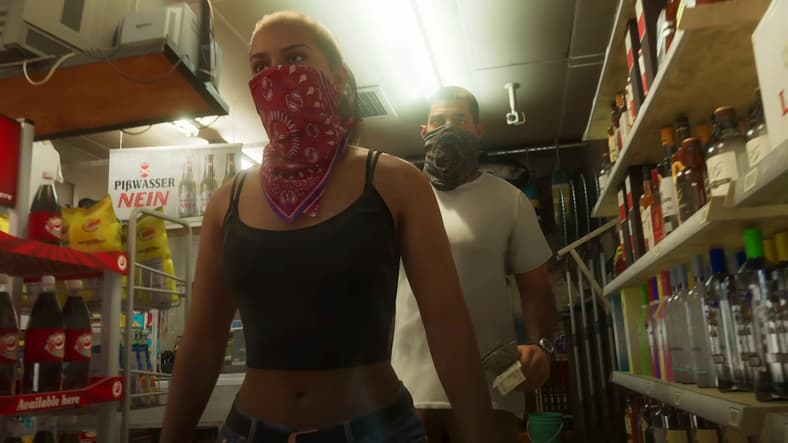
More rumors have since emerged that Rockstar Games is behind schedule, suggesting that another delay for GTA VI is inevitable. The actual impact of the delays is hard to ignore, as it has been revealed that other publishers are trying their best to avoid releasing games in the same window as GTA VI because of the anticipated seismic impact of the game’s release on the industry.
4. Nintendo’s $80 Gauntlet
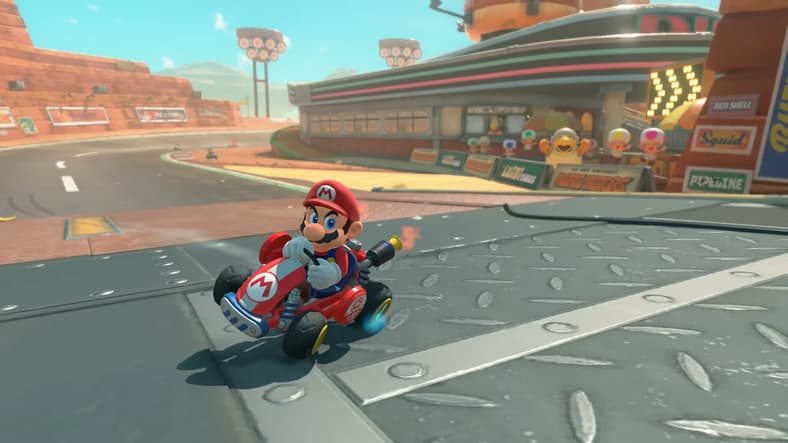
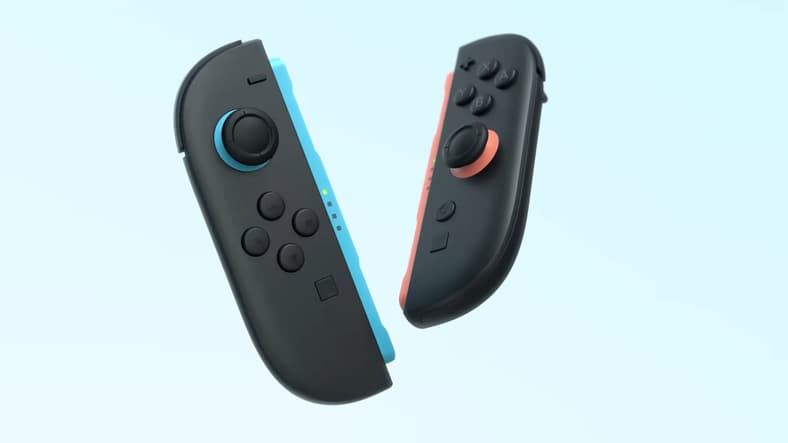
AAA titles had been stuck at $70 since 2020, when most platforms took advantage of the market boost during the pandemic. However, it was always a matter of time before a price bump, but it was still a surprise when Nintendo introduced Mario Kart World for $80 on Nintendo Switch 2. At an initial price of $450, many already felt the console was overpriced, which is why the new game price didn’t make players any happier.
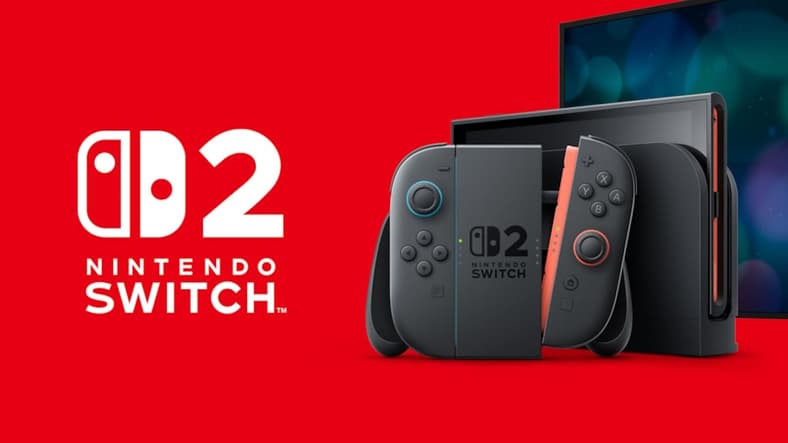
Nintendo officials later defended the price hike and have maintained the price range for new AAA games on the platform, a trend that is sweeping across the industry after PlayStation bosses supported it. Nintendo has inadvertently set the industry on track towards the dreaded $100 price tag for AAA games.
3. Xbox Game Pass Price Hike
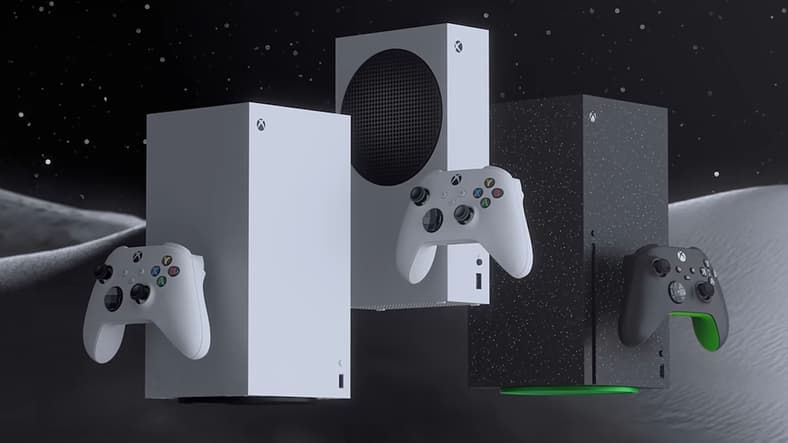
Microsoft was in the limelight for many negative reasons in 2025, starting with their hike in hardware prices for Xbox Series X/S consoles as well as accessories twice in the same year. The new prices for the same generation of hardware and accessories were met with a huge backlash, as most gamers would rather pay those new prices for the upcoming next generation of consoles with advanced features.
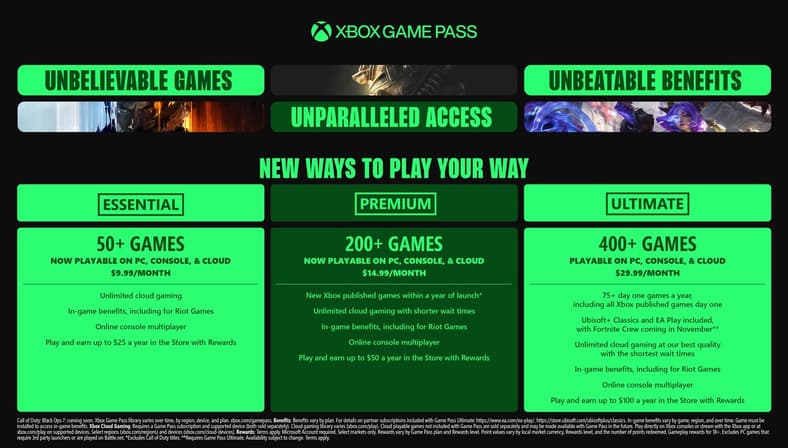
Hardware price hike was only the start, though, since in October 2025, Microsoft made online and PC gaming even more expensive. A fifty percent price increase on the Xbox Game Pass Ultimate was announced, raising the price to $29.99, up from $19.99, albeit with new features and benefits added, including Ubisoft+ and a classics catalogue. The price for PC Game Pass also increased from $11.99 to $16.99, but without any significant additions. The increase in hardware prices was largely attributed to tariffs, although the same could not be said for the Game Pass.
2. Mass Layoffs
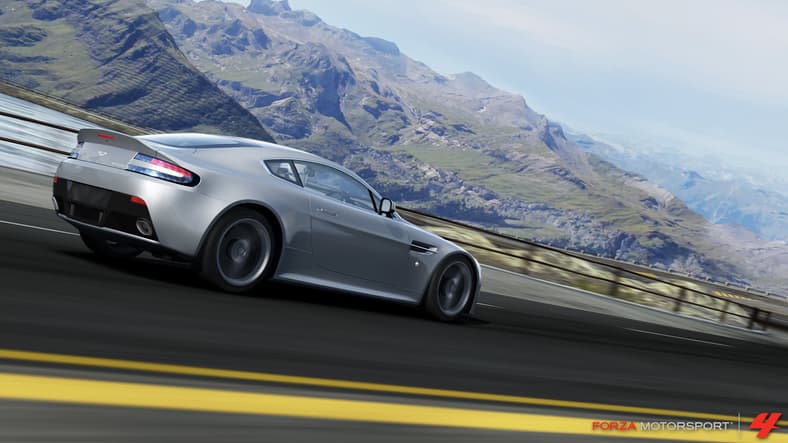
Gaming has recovered very slowly from the pandemic, with mass layoffs affecting the industry since 2022. 2025 wasn’t the worst in terms of the numbers, although the impact on studios and individual games was just as devastating. Microsoft led the way once again, cutting over 15,000 jobs globally, 9000 of which affected Xbox, Activision Blizzard, and Zenimax. This led to shutdowns and cancellations in major studios, including Turn 10 (which publishes the Forza series), Rare Studios, and The Initiative Studio, whose highly anticipated game, Perfect Dark, also got cancelled.
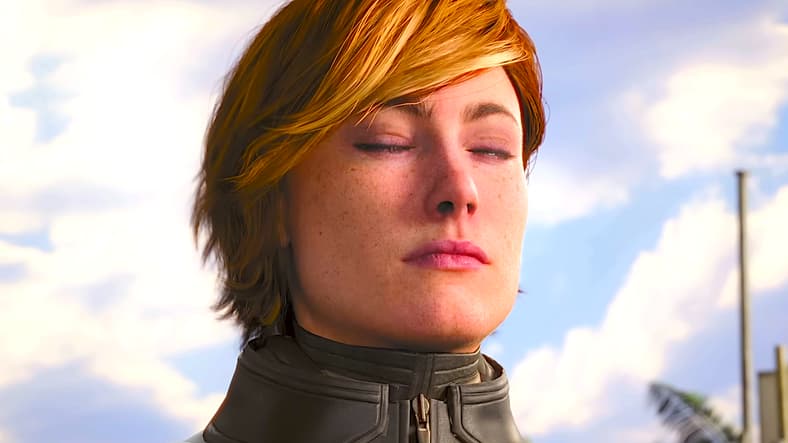
Other major players like Tencent and Sony didn’t do mass layoffs, although job cuts continued on a smaller scale, with multiple studios being shut down or restructured, and games getting cancelled. Concerns around the skyrocketing cost of chips and video game development continue to hurt the industry and layoffs could well continue in the forseeable future.
1. The Assassin’s Creed: Shadows Cultural Fallout in Japan
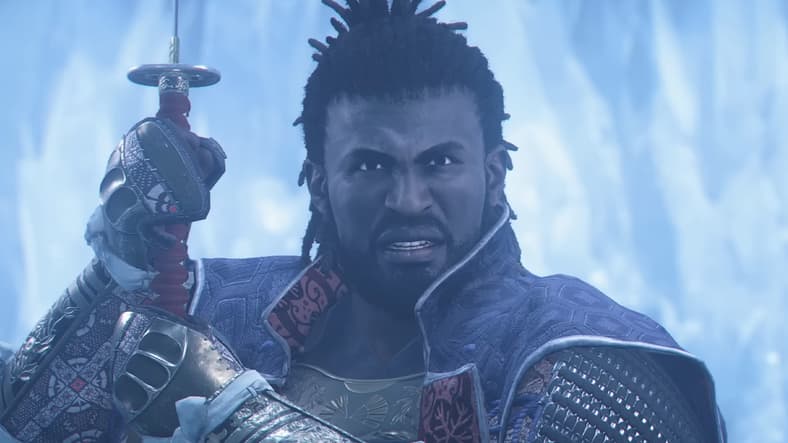
With its very survival on the line, Ubisoft relied on its best-performing franchise, betting its future on the success of Assassin’s Creed: Shadows. While murmurs around the game’s black protagonist, Yasuke, eventually abated, the same couldn’t be said for the game’s destructive environment that were out of touch with Japanese culture. The game’s early release sparked outrage thanks to a video showing Yasuke destroying a real-life Japanese Shrine and also striking at figures representing priests.
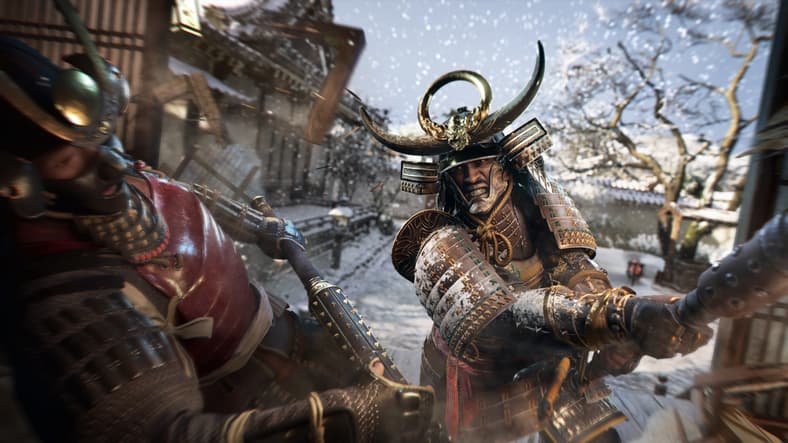
The outrage led to an online petition with over 100,000 signatures accusing Ubisoft of disrespecting Japanese culture. The game was further condemned by the country’s politicians, including the prime minister, forcing Ubisoft to release a more culture-friendly edited version in which sacred sites couldn’t be destroyed. Fortunately, Assassin’s Creed: Shadows was eventually embraced by gamers and became a relative success.
NEXT: 3 Times Western Video Games Got Japanese Culture Totally Wrong
