Ubisoft Stock Price Tumbles 34% To New 15 Year Low, Former Dev Denies DEI Policies To Blame: “Same Old Fake News”

Recent months have seen its stock price tumbling roughly 34% to a new fifteen year low, and while the reasons behind the Ubisoft’s financial struggles are as numerous as they are readily apparent, a former employee has pushed back against the idea that the studio’s DEI policies played any part in this sudden depreciation.

Despite being framed as a “quality”-focused “reset”, Ubisoft’s recent restructuring has played out more like a slash-and-burn ‘restart’, with the move thus far involving the cancellation of six games including the Prince of Persia: The Sands of Time remake, delaying of seven others, the closing of two studios, and layoffs across their various subsidiaries.
Unsurprisingly, this uncertainty has caused the company’s stock value to tumble, falling 34% the day after Ubisoft’s restructuring announcement and as a result hitting its lowest price in 15 years (as of publication, Ubisoft’s stock price sits at €4.27 ($5.12 USD), having last fallen below €5 ($5.98 USD at the time of its evaluation) in September 2011.
Further compounding this investor concern is the fact that, per Kai Nicol-Schwarz of CNBC, the French company has also lowered their financial outlooks, in doing so announcing that their 2026 fiscal year will see an estimated operating loss of €1 billion EUR ($1.17 billion USD), a €650 million EUR write-down ($771 million USD), and a €330 million ($391 million USD) reduction to their previously announced net bookings.
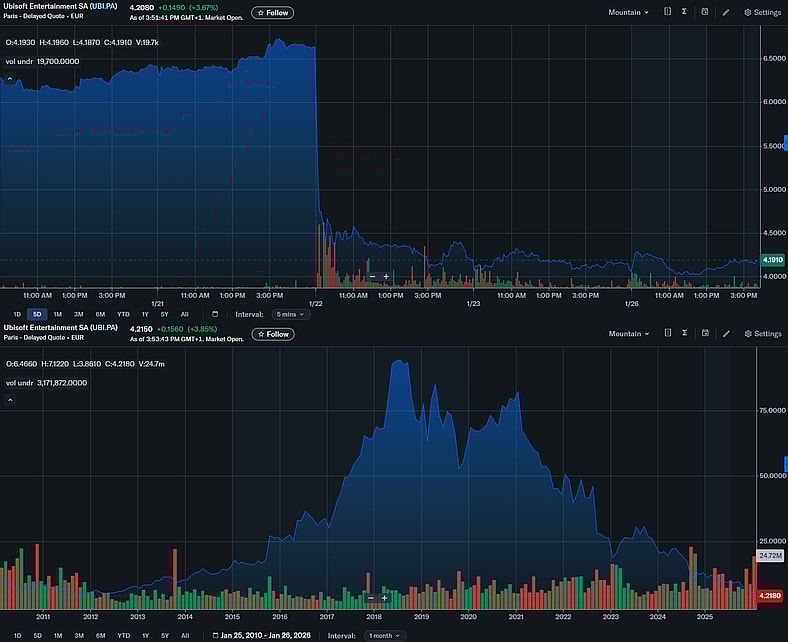
As she further notes, Ubisoft shares have been dropping in value since 2020, with its currently price representing a 95.9% drop compared to its July 2018 high of €107.90 per share ($140 USD at the time of its evaluation).
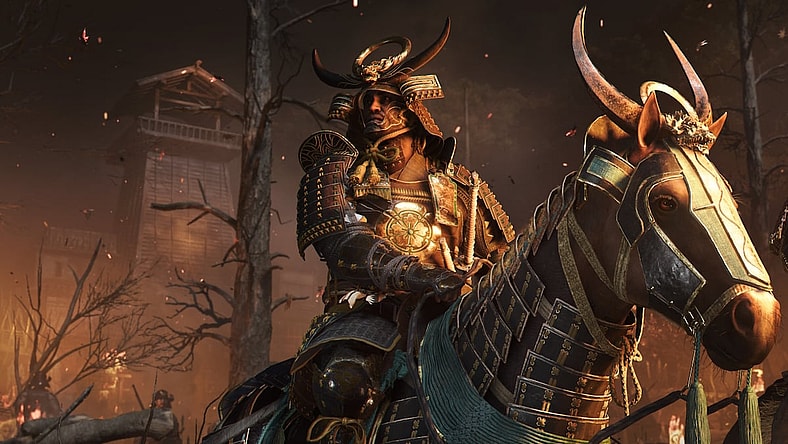
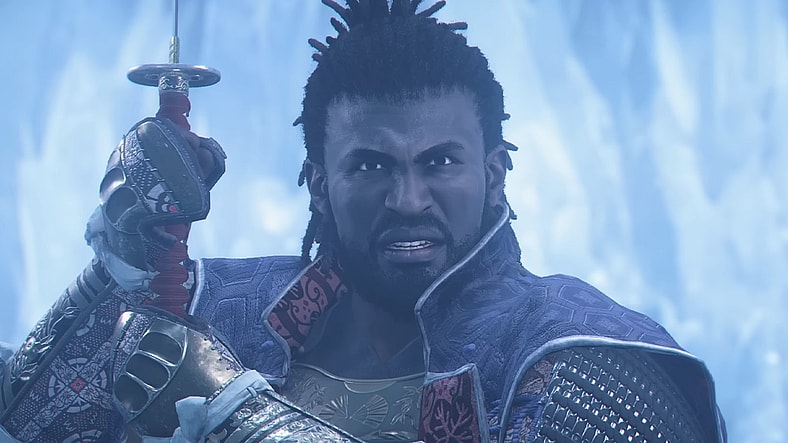
And while many have been quick to blame these losses specifically on the studio’s chasing of DEI initiatives, with recent years having seen Ubisoft’s overall quality taking a backseat to virtue-signaling, as perhaps most recently seen with their insistence that the historical version of Assassin’s Creed Shadows protagonist Yasuke was a true samurai, despite the general academic consensus being currently unsettled.

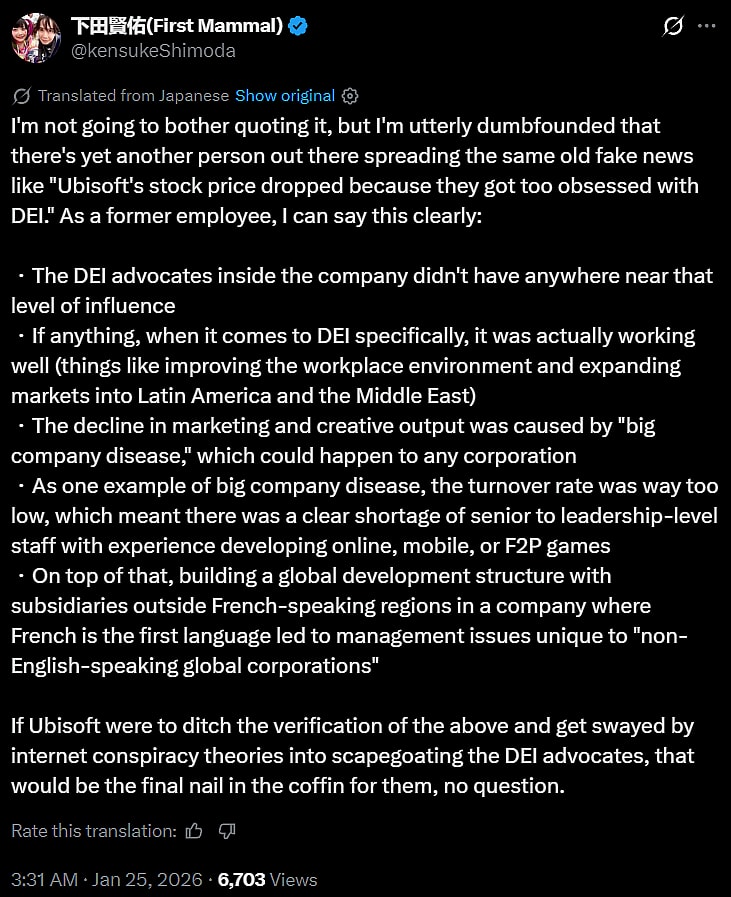
And while some policy updates regarding women’s work conditions were sorely needed in light of Ubisoft’s slew of 2020 sexual harassment cases, Kensuke Shimoda, a former Ubisoft Osaka developer, has denounced the theory that the studio’s overall DEI efforts were the reason for its current troubles.
Previously a member of the developer’s Osaka studio, which previously provided support development on such titles as Assassin’s Creed Shadows, Rabbids: Party of Legends, and South Park: The Fractured But Whole, Shimoda made his case i reply to a May 2025 critique from Japanese mangaka Sadataro that his playthrough of Shadows had made him understand why “DEI games don’t sell“.

Taking to his personal X account, Shimoda , “I’m not going to bother quoting it, but I’m utterly dumbfounded that there’s yet another person out there spreading the same old fake news like ‘Ubisoft’s stock price dropped because they got too obsessed with DEI.'”
To this end, Shimoda declared “as a former employee, I can say this clearly” before proceeding to list out various refutations to these accusations, including:
・”The DEI advocates inside the company didn’t have anywhere near that level of influence”
・”If anything, when it comes to DEI specifically, it was actually working well (things like improving the workplace environment and expanding markets into Latin America and the Middle East)”
・”The decline in marketing and creative output was caused by ‘big company disease,’ which could happen to any corporation”

・”As one example of big company disease, the turnover rate was way too low, which meant there was a clear shortage of senior to leadership-level staff with experience developing online, mobile, or F2P games”
・”On top of that, building a global development structure with subsidiaries outside French-speaking regions in a company where French is the first language led to management issues unique to ‘non-English-speaking global corporations’ “
Putting a stamp on their push back, the dev ultimately declared, “If Ubisoft were to ditch the verification of the above and get swayed by internet conspiracy theories into scapegoating the DEI advocates, that would be the final nail in the coffin for them, no question.”