‘Frieren’ Staff Feel “A Sense Of Stagnation” In Japanese Anime Scene, Warns Against Chasing Western “Trends”

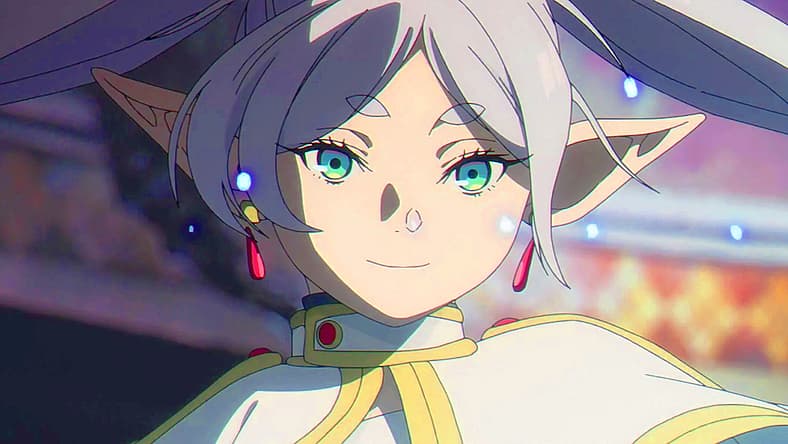
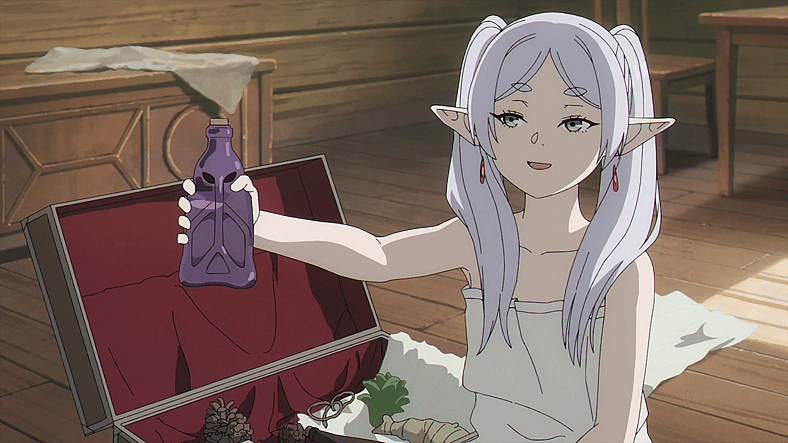
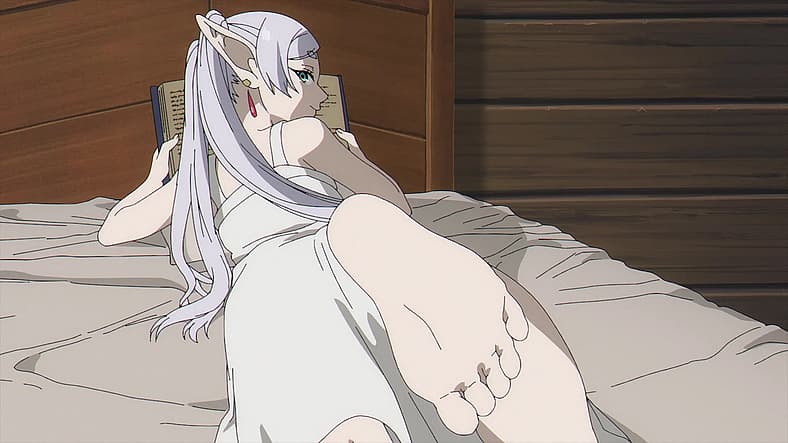
Amidst the Japanese anime industry’s population crisis-driven effort to grow their overseas audiences, Frieren: Beyond Journey’s End director Keiichiro Saito and producer Takashi Nakame have expressed concerned at the tendency seen in some of their peers to chase Western “trends”, particularly as they believe this focus underserves the potential of the overall medium.
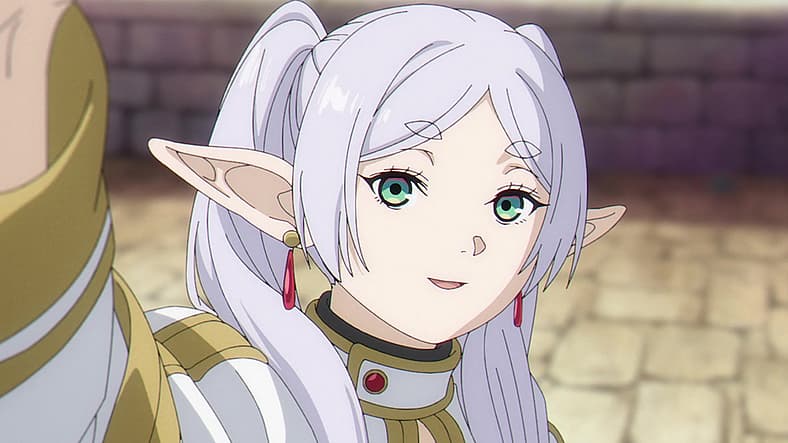
RELATED: Madhouse Officially Announces Second Season Of ‘Frieren: Beyond Journey’s End’
Saito and Nakame offered their thoughts on the current state of during a recent joint interview given to Japanese news outlet Mantan Web following their selection as candidates for the Global Anime Challenge.
Per its official website, “Global Anime Challenge is a three-year program funded by Agency for Cultural Affairs. Its purpose is to nurture the Japanese anime industry’s next generation of the creatives. Six talented young animators, producers, and directors, will be selected to experience internships at world-class studios outside of Japan for three months. Then they are to develop concept trailers to be presented at the world’s top animation exhibition events such as Annecy International Animation Film Festival in France as well as Anime Expo in USA.”

In opening the interview, as machine translated by DeepL, the pair were asked as to why they chose to join the program, to which Nakame took the lead and answered, “It’s a bit vague, but I felt a sense of stagnation in the Japanese anime production environment, and when I was thinking about trying something different from what I had done before, I heard about the opportunity to learn about overseas production sites and became interested. I don’t know if it will directly solve the issues I’m currently facing, but I decided to join because I thought it might be a starting point for something.”
Likewise, Saito recalled, “I was thinking about studying abroad to learn a language when Nakame invited me to join. Like Nakame-san, I also feel a sense of stagnation in the current anime industry, and when I thought about how I would proceed in this industry in the future, I was interested in things other than what I had been doing so far, so I decided to participate.”
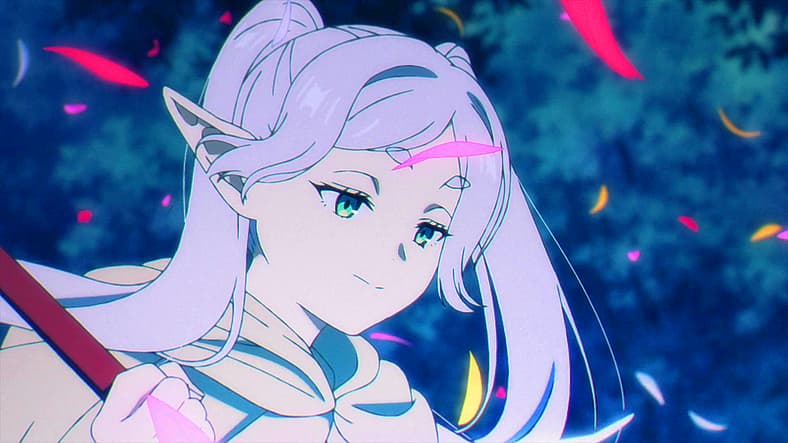
From there pressed as to whether they intended to use their upcoming education would in service of making “a pilot film”, the Frieren anime duo confirmed that while that was their plan, they were still
Saito: “We haven’t decided on the specifics yet, but since we’ve been given this opportunity, I feel like we should challenge ourselves. Since we can manage our own IP, we might be able to create a big trend. We’ll have to think about the direction we want to take in the future.”
Nakame: “When it comes to creativity, there are some things we won’t know until we actually try them, but since it’s rare to have our own IP, I have a vague idea that we want to do something more than just make anime.”
Saito: “As mentioned in the courses, should we aim for something like the Academy Awards in the US, targeting something that will be widely accepted? Or should we go for something more niche? We need to think about that too. With Japanese anime playing a major role in the overseas market, I’ve been thinking about how to proceed. Even before participating, I had a vague idea of using my own work to build connections overseas, so I want to study communication as well.”
RELATED: ‘Gundam’ Manga Publisher Kadokawa Now Recruiting Overseas Talent Due To Japan’s Population Crisis
On the topic of strengthening and expanding global communication via their art, when asked as to what they felt was “important when promoting Japanese anime to the world?”, Saito and Nakame both pointed to the medium’s unique identity, particularly in terms of the broad range of stories and art styles it can offer, which they felt was currently being underserved thanks to studios trying to chase Western audiences:
Saito: I have had the opportunity to attend overseas conventions and interact with overseas fans, and I have a vague feeling that the Japanese anime that overseas fans are enthusiastic about may be slightly biased. I feel that popular things are still popular, and there is a major trend. I also feel that this could lead to a disconnect between the creators and the fans. Because the trend is so strong, focusing too much on it can make that aspect of anime too dominant. Before that happens, I feel it’s important to promote the diverse appeal of anime to the world. I want to create works that can attract global attention through various approaches.
Nakame: I feel the same way. Japanese anime tends to be created freely, but within that freedom, there may be a certain bias. It would be more interesting if there were more variety. It’s easy to get caught up in the mainstream, and while that’s necessary for the work itself, I think it’s important to consider various aspects.
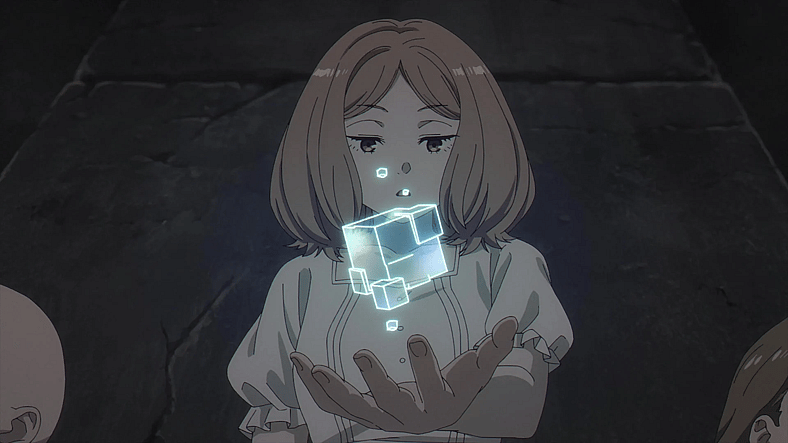
Finally, in terms of what they hoped to gleam from their upcoming internships at “overseas studios”, the director and producer affirmed that, simply put, they wanted to learn new perspectives with which they could inject new life into the Japanese anime scene:
Nakame: I haven’t decided where yet, but I plan to go for about three months. It seems long, but it’s actually short. I’m looking forward to learning about how they work differently from Japan, including their work style.
Saito: Personally, I have issues, challenges, and future goals that I want to solve, and I want to find ways to solve them and gain new perspectives. I’m interested in the differences between post-production and pre-production in Japan and overseas, and I want to explore ways to combine the best aspects of both Japan and overseas to create something different from what has been done in Japan so far. Rather than creating something completely unknown as a work, even if it’s the same kind of work as before, the content might be completely different.
Nakame: It’s an extension of what we’ve done before, but I want to create while thinking, not just going through the motions. In that sense, there should be something new that can be created.
Saito: While the best outcome might be no change, I believe it’s important to gain a perspective that hasn’t existed before.
Nakame: That’s right. Expanding our horizons will inevitably lead to some changes. Until now, we weren’t even at the stage where we could consider such things, so it’s interesting that we can now think for ourselves.