
‘Shin Kamen Rider’ Director Hideaki Anno Calls Out Major Problem With Modern Entertainment: “There Really Aren’t Many Good Works Aimed At Children”

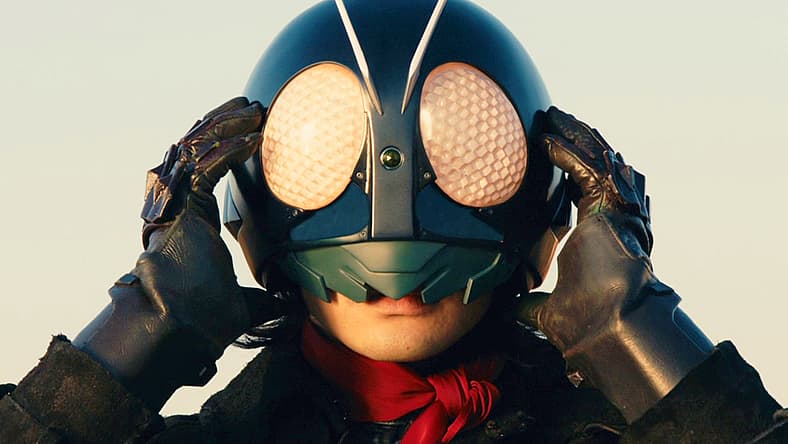
Though specifically speaking to the topic as it relates to Japan, Neon Genesis Evangelion creator and noted tokusatsu enjoyer Hideaki Anno recently hit upon a growing worldwide sentiment when he argued that the biggest issue facing the country’s modern entertainment industry is its ongoing lack of kid-specific works, both animated and live-action.
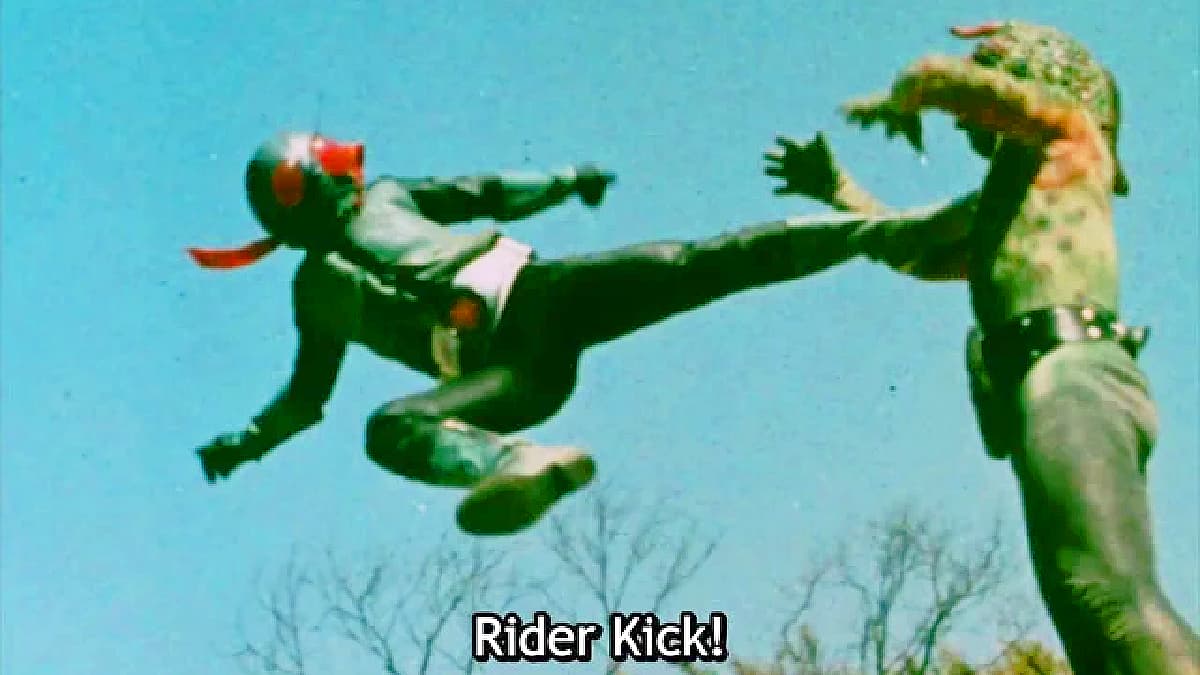
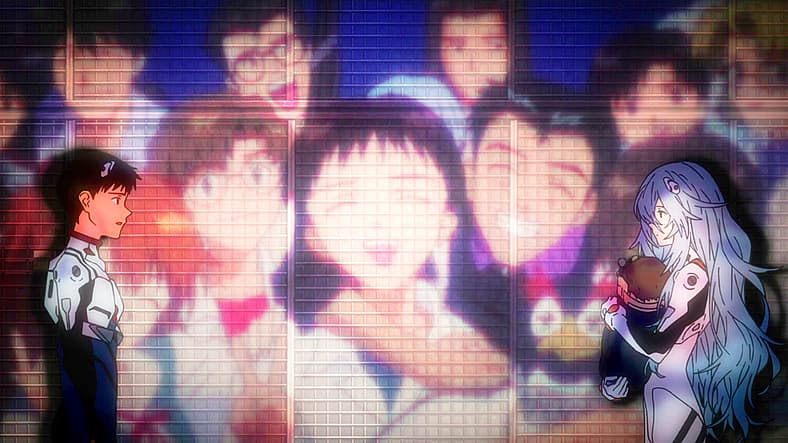
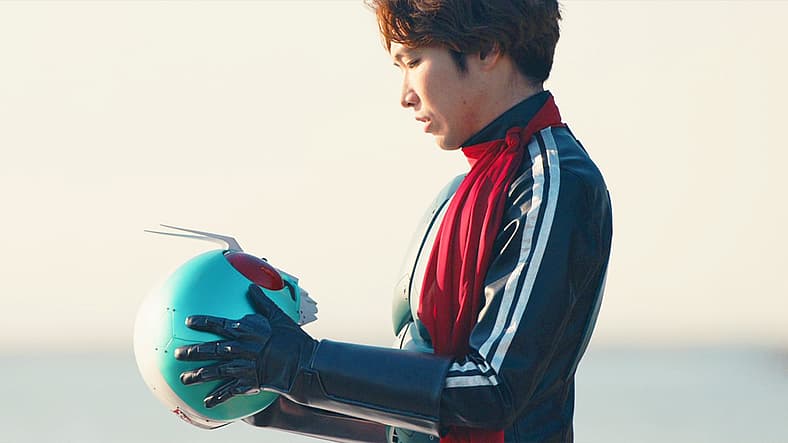
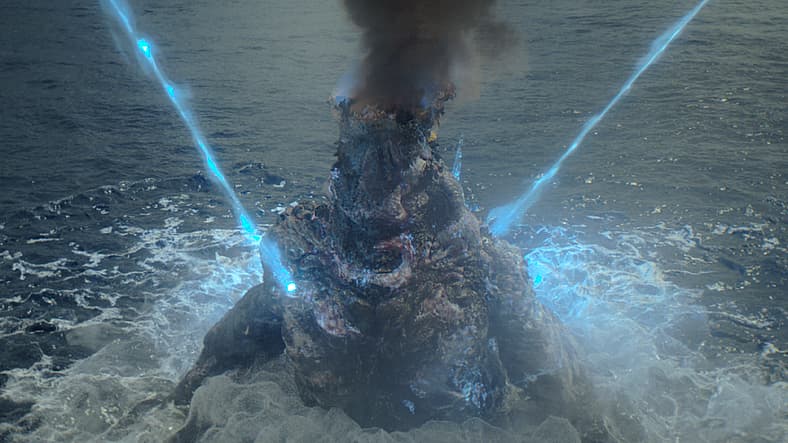
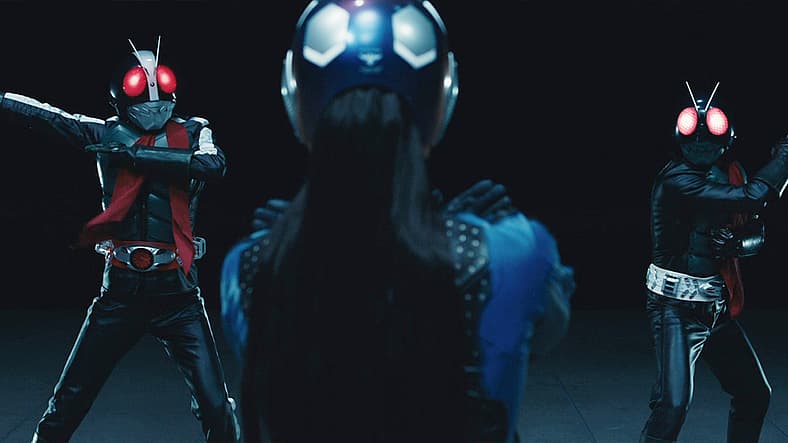
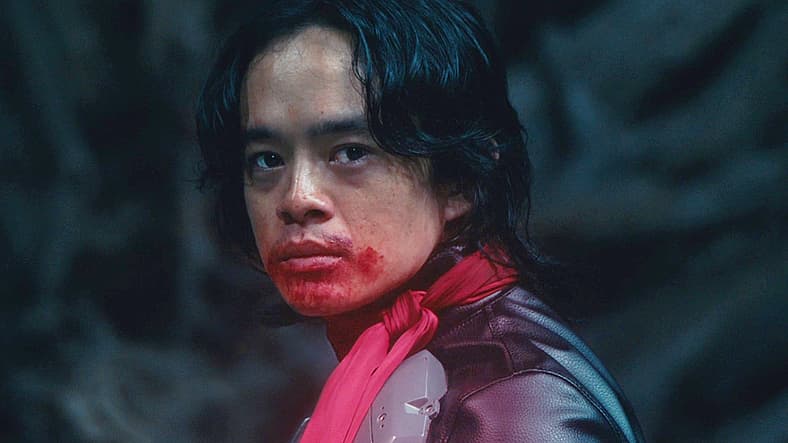
A relevant expert given his experience in creating Neon Genesis Evangelion and his personal history with classic Japanese tokusatsu, having grown-up during the genre’s rise and eventually channeling his resulting love into the critically-acclaimed Shin Godzilla, Shin Ultraman, and Shin Kamen Rider film reboots, Anno offered his critique while speaking to Forbes Japan alongside Godzilla Minus one director Takashi Yamazaki on the current state of the country’s domestic entertainment scene.
Per a machine translation provided by ChatGPT, at one point asked as to their personal opinions on how the Japanese government could best support its previously announced Cool Japan initiative, as launched in 2024 with the goal of tripling the country’s overseas media sales from that year’s record $38 billion to ¥20 trillion JPY ($131.4 billion USD) by 2033, to which Anno took the lead and asserted, “What first draws attention is probably the money—statements like ‘it exceeds steel in export value,’ for example—but rather than the money, I think it’s good that attention has been paid to the fact that Japanese culture can be transmitted to the world at low cost, and I think, as a nation, it would be better to value that aspect.”
“Korea and China are doing it as well,” he added, “and originally Hollywood was doing it, too.”
Nodding in agreement with his fellow Godzilla visionary, Yamazaki further explained, “It’s clear that the way Japanese people felt about Americans after the war changed drastically because of the dramas of that time. People watched things like Father Knows Best, and even though Americans had been called kichiku bei-ei (‘brutal/devilish Americans and British’), people thought, ‘Wow, Americans live such wonderful lives, and they’re such good people.'”
“I think Korea’s national power also rose greatly thanks to content. Having people watch Japanese works and come to like Japanese people equals having them come to like Japanese products. In order to have people like the country itself, it becomes a powerful weapon despite requiring relatively little investment. People in government have finally started to realize this.”
Cosigning Yamazaki’s take with the observation that “The cost performance is extremely good, and there isn’t anyone who ends up unhappy.”, the Evangelion creator then turned to address the potential challenges that could stand in the way of Cool Japan’s success, beginning with the blunt observation that “What I think is the biggest problem right now is that there is little animation aimed at younger age groups, at children. There really aren’t many good works.”
“When we were children, it was overflowing with them. Prime time was full of children’s programs. That includes anime and tokusatsu, and what you might call simple science programs as well. I think that’s how our sensibilities and various aspects of us were formed. One cause is the declining birthrate, but it’s a compound problem, including the rise and fall of television trends. From a certain point, television became nothing but variety shows.”
But far from the only problem facing the Japanese entertainment industry – and in no way an exclusive one, as this lack of children’s programming is also a feature of such other worldwide entertainment leaders like the United States and the UK – Anno also called out Japan’s lack of media stewardship, telling his host, “If I say this I’ll probably get scolded, but there are not many people who comprehensively organize anime, tokusatsu, Japanese film, and so on as history and then guide the industry.”
“There are few critics with real insight. Universities have finally begun doing this, but as one part of that, I’m putting effort into archives. But this is precisely something I want the state to do. Local governments or a single animation company have their limits. By preserving materials and intermediate production outputs from anime and tokusatsu, manga and games, it connects to the next generation. There are discoveries like ‘so this is how it was made,’ and there is emotion and inspiration. Ideally, a new generation sees that and thinks, ‘I want to make something like this too,’ and we will continue doing that.”
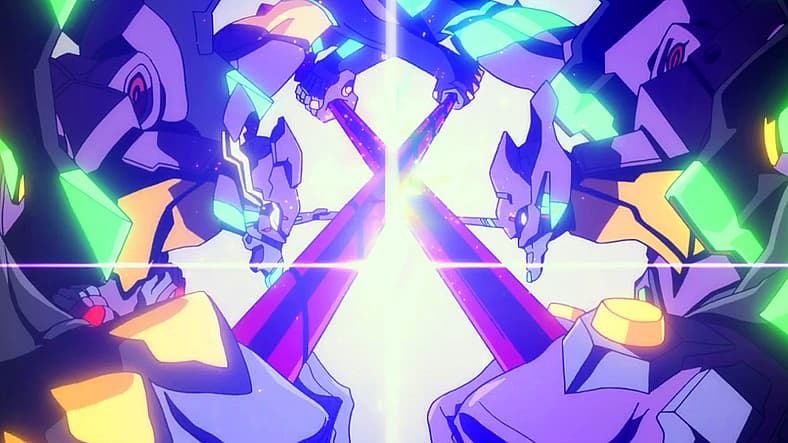
And finally, the final issue that caught Anno’s attention was “tax credits”, with the Gunbuster director explaining, “Taxes really are high. In terms of developing human resources, the apprentice system has also largely collapsed, so I would be glad if support were provided at a level that would allow it to be rebuilt.”
“The production floor is extremely tight, so it’s hard to allocate money and labor to that extent,” he concluded. “Basically, it’s like: once in a while a hit comes out, and that’s what allows things to keep going.”
Putting a final stamp on the matter, Yamazaki further elaborated, “In the industry there’s a term called ‘tent pole,’ like the pole supporting a tent. The film industry itself is always running a deficit, but occasionally there’s a major hit that supports it, and only then does the industry function. It’s close to gambling. When things are bad, they’re extremely bad.”
