
DC Boss Jim Lee Says Genre Diversity Gives Manga Major “Advantage” Over Western Comics: “It’s Not Just Superhero Stories”

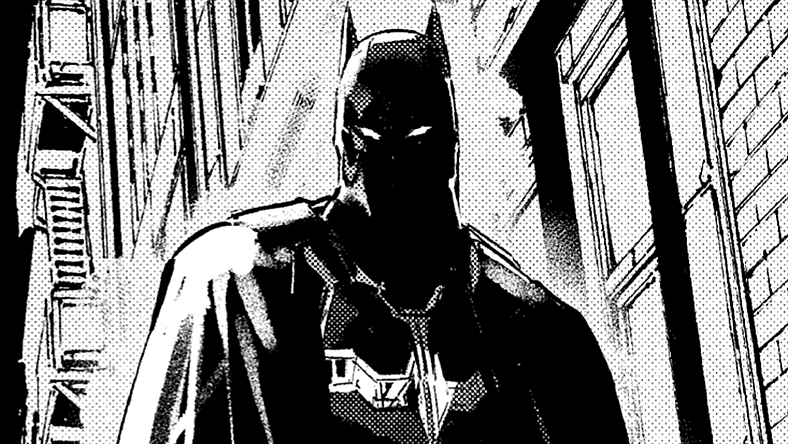
Though many a discussion have been held in service of understanding the exact reasons behind the recent readership surge in Japanese manga compared to Western comic books, DC president Jim Lee believes that this divide ultimately boils down to the simple fact that the rival medium far greater genre diversity than its superhero-centric counterpart.

Lee, who also serves as the publisher’s chief creative officer and is still unsurprisingly behind on his Batman: Hush 2 work, offered his thoughts on the current East-West readership gap while speaking with Japanese news outlet XTrend during the recent Tokyo Comic Con 2025.
Per a machine translation of the interview provided by DeepL, asked by staff writer Kaori Maeda for his thoughts, “as a legend in the American comic book world”, on both Japanese manga overall and the reasons behind their surge in popularity, Lee recalled, “I’m quite old (laughs), so I remember the late 1980s, when Japanese manga and anime first came to the US.”
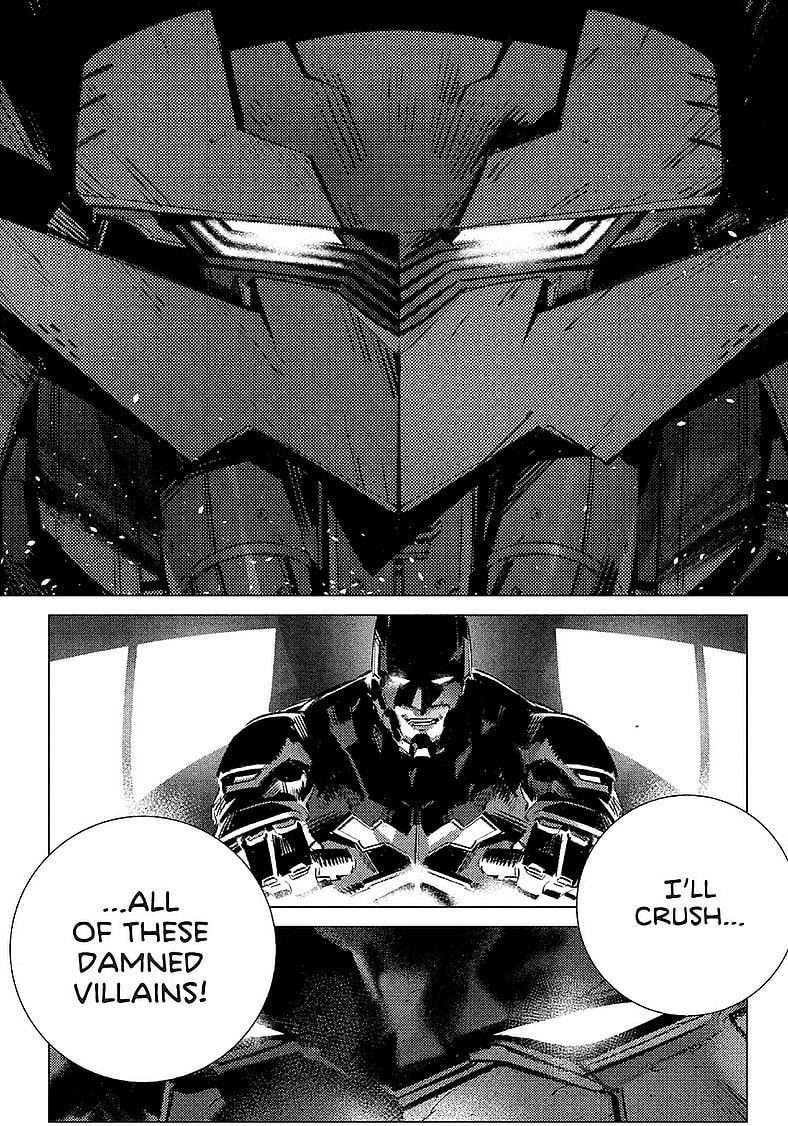
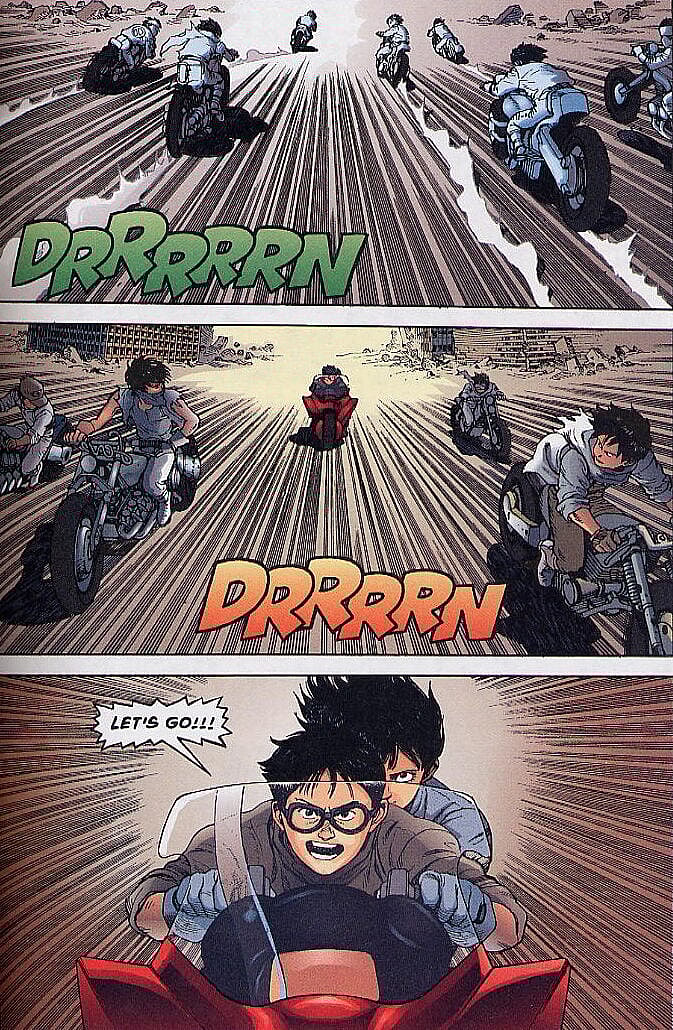
“I read Katsuhiro Otomo’s Akira. It was translated and published by Marvel. I read it and then bought the laser disc. Then I also read Masamune Shirow’s Appleseed. It hadn’t been translated, so I didn’t really understand the story, but I loved the illustrations.”
“In the 1990s, TOKYOPOP became a major presence, and as it declined, companies like VIZ Media and Dark Horse began bringing manga and anime to the U.S. So I think it’s cyclical. But speaking specifically about ‘right now.’ I think Asian culture, pop culture as a whole, is booming. K-POP is part of it, Korean dramas are part of it, Japanese anime is part of it. Young people want to find something that’s uniquely theirs.”
RELATED: Texas Comic Shop Pulls ‘Dragon Ball’ Manga From Shelves Out Of Caution For New State Censorship Bill
From there, Lee turned his thoughts to the specific mediums themselves, asserting “The stories told in Japanese manga and anime possess tremendous power. I often wonder myself: ‘What is missing from Western comics, and why can’t they achieve the same ‘flavor’?’
“Also, I think manga has an ‘advantage’ over American comics. Most American comics are superhero stories. Sales and the majority of readers are concentrated there. Japan is closer to “literature” – something anyone can read, and it’s not just hero stories. There are stories about cooking, soccer, a much wider range of genres. You can draw stories from that.
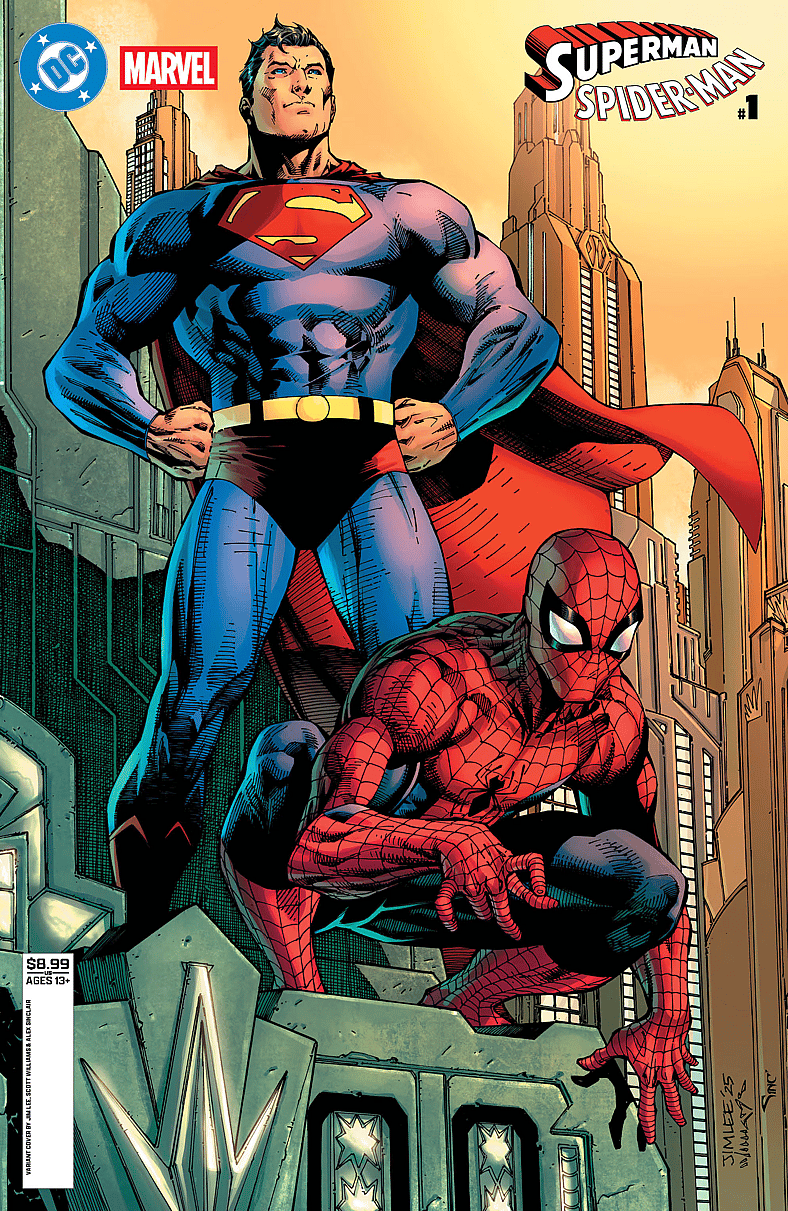
“That’s why I’m incredibly happy manga has achieved such success. Because it becomes a kind of ‘goal’ for me. The manga market is larger than our industry. So it becomes a question of ‘What can we learn from this?’
“Essentially, it’s about ‘How do we access that?’ It’s not just about art style; it involves a certain ‘sensibility.’ Stories that succeed in Japan are very different from those that succeed in the West. What can we learn from that? I think this is a discussion that will continue indefinitely.
“I don’t have the exact answer either. If we did, we’d already be achieving the same sales and readership (laughs).”
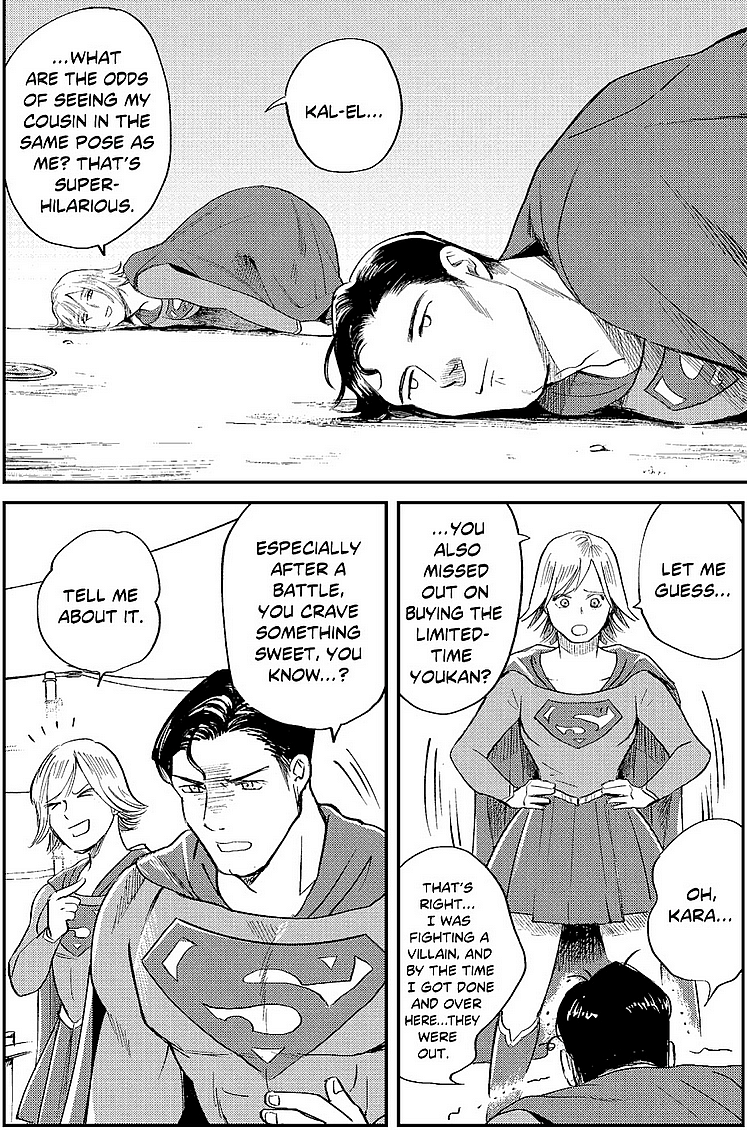
Bringing his answer to a close, Lee made it a point to a note that a major factor contributing to Japan’s recent popularity was the fact that “in the West, comics and animation have long been seen as ‘media for children.'”
“As people grow up, they move on to live-action. But in Japan, it’s different. Not only is the genre broad, but adults read manga and watch anime too. As a culture, it’s an ‘art form’ not limited to a specific age group. I think this is also one reason why Japanese manga and anime have gained such popularity.”
NEXT: ‘Gundam’ Manga Publisher Kadokawa Now Recruiting Overseas Talent Due To Japan’s Population Crisis
