
Despite Making Billions From Mile Morales, Marvel Pays ZERO Royalties To Original Artist: “The Saddest Part Of My Life”

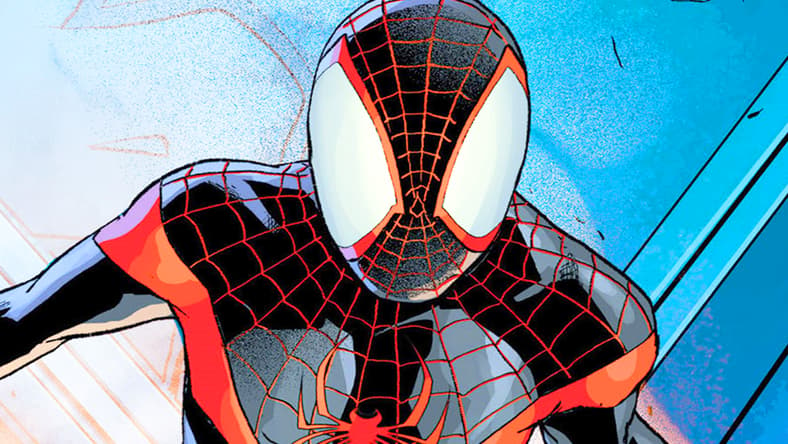
Though the mainstream comic book industry is unfortunately no stranger to raw deals and talent neglect, Marvel Comics has a particular love for screwing over creators, particularly when it comes to making literal billions upon billions off of their work and then denying them any proper financial compensation – It happened with Rocket Raccoon creator Bill Mantlo, with late Spider-Man 2099 visionary Peter David, and now with Mile Morales co-creator Sara Pichelli.
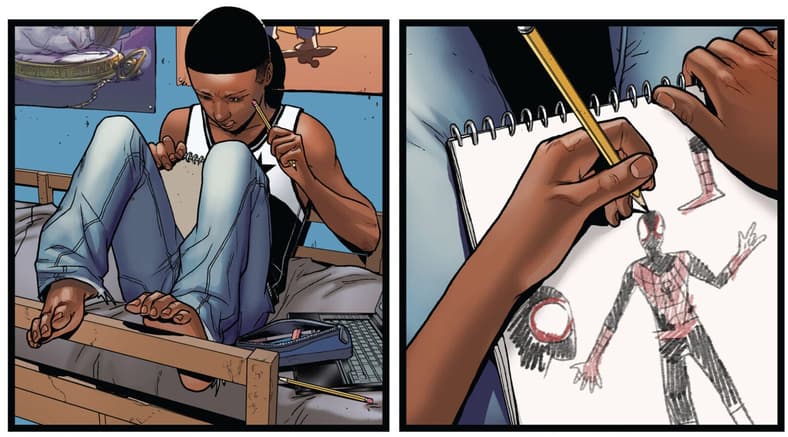
The Italian comic book artist, who not only co-created the second ‘Ultimate Spider-Man’ ahead of his debut in Ultimate Fallout Vol. 1 #4 but also penned the first arc of his subsequent Ultimate Comics All-New Spider-Man Vol. 1 solo series, spoke to her unfortunate treatment by Marvel while speaking with reporter Gabriel Mattos, representing the Brazillian-language, Marvel-centric news outlet Jameson’s Site (ostensibly named after The Daily Bugle proprietor J. Jonah Jameson), during the recent CCXP comic convention in São Paulo.
Beginning on a rather optimistic note, the conversation opened with a trip down memory lane, with Mattos asking Pichelli, “So when you [ands writer Brian Michael Bendis] created the character, did you have a sense that it would become this cultural phenomena that it has?”, to which she laughed, “Noooo way!”
“I was positive because it was a very great story. I love the character, the human side of the character, it’s very different from the original one, and that could be a good thing, just to break and do something different. But no, we couldn’t expect what was going to happen.”
“And I was happy [that we had no expectations] about it cause it would have been too much pressure, you know? So, I was more like, light-hearted. I was light-hearted working on it. It was just a good job, a good gig.”
From there, Mattos turned the conversation to the initial controversy surrounding Miles’ reveal, asking his guest, “The announcement sparked a lot of theories and some backlash from parts of fans; How did you respond to that narrative at the time? People were even theorizing you were inspired by Obama and things like that?”
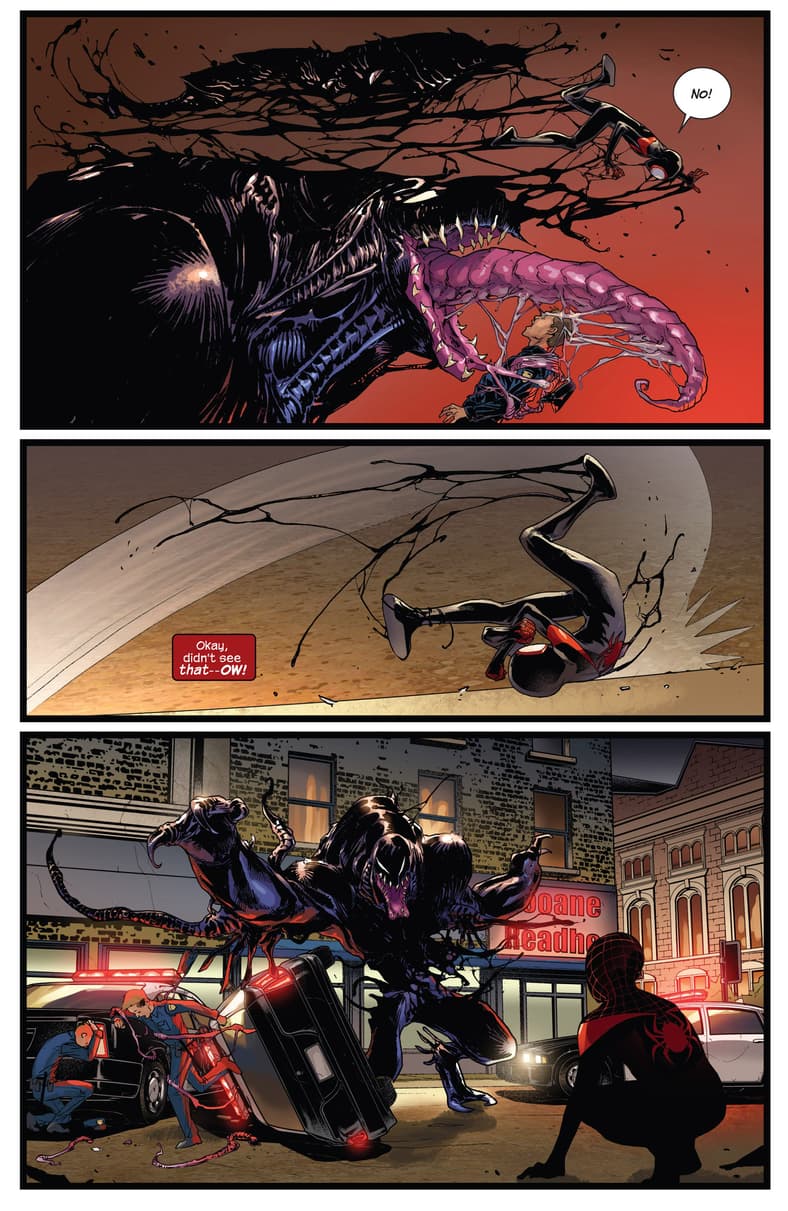
To this, Pichelli replied, “I remember that time it was a bit shocking in the beginning because people were assholes. Actually, they were. I could feel the hate.”
Met with the commiserating exclamation from Mattos “And for nothing!”, Pichelli noted “Not nothing! It was racism! It has a very specific name. I was like, ‘What the fuck?'”
“That’s the feeling, like, ‘Really? We should be grateful for this, something is bringing a voice that wasn’t there before, but no, of course. But after that first stage of this reaction, people got [on board with Miles].”
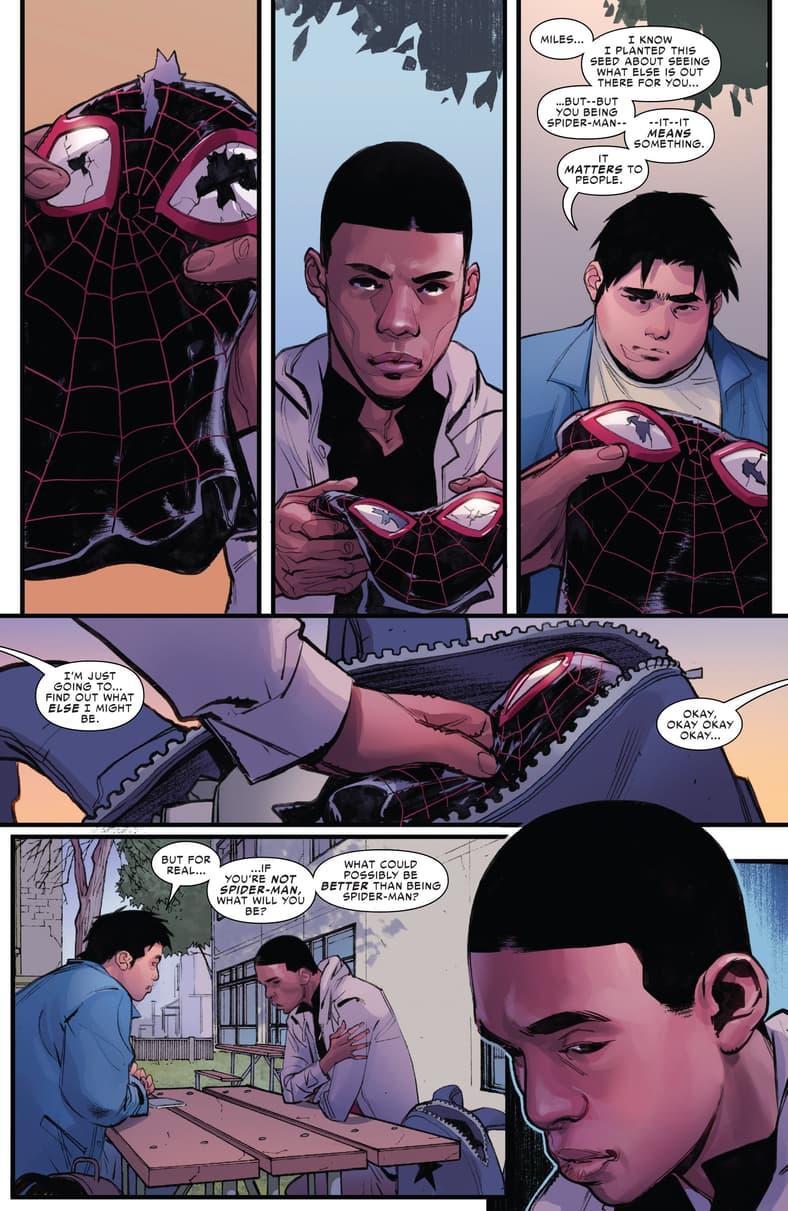
To this, Mattos observed, “I think he became even a huge symbol for black people, that they can be included in the spaces as well,” prompting Pichelli to assert, “Maybe the young people saw the potential for that. You know comics is a small part and maybe young people don’t read comics; they saw him in the movie and video games.”
And it was on this mention of Miles’ non-comic media presence that the bleak reality of Marvel’s legal dealings reared its ugly head, with Mattos inquiring with Pichelli as to whether she “receives a portion of that, monetarily?” and the artist simply balking, “I wish! I would be a BILLIONAIRE! But I don’t. The saddest part of my life.”
Drawing astonishment from her host, who in turn exclaimed, “We should start an online campaign!”, Pichelli ultimately pleaded, “Please do. A political campaign. Pay us. It’s a lot of merchandising.”
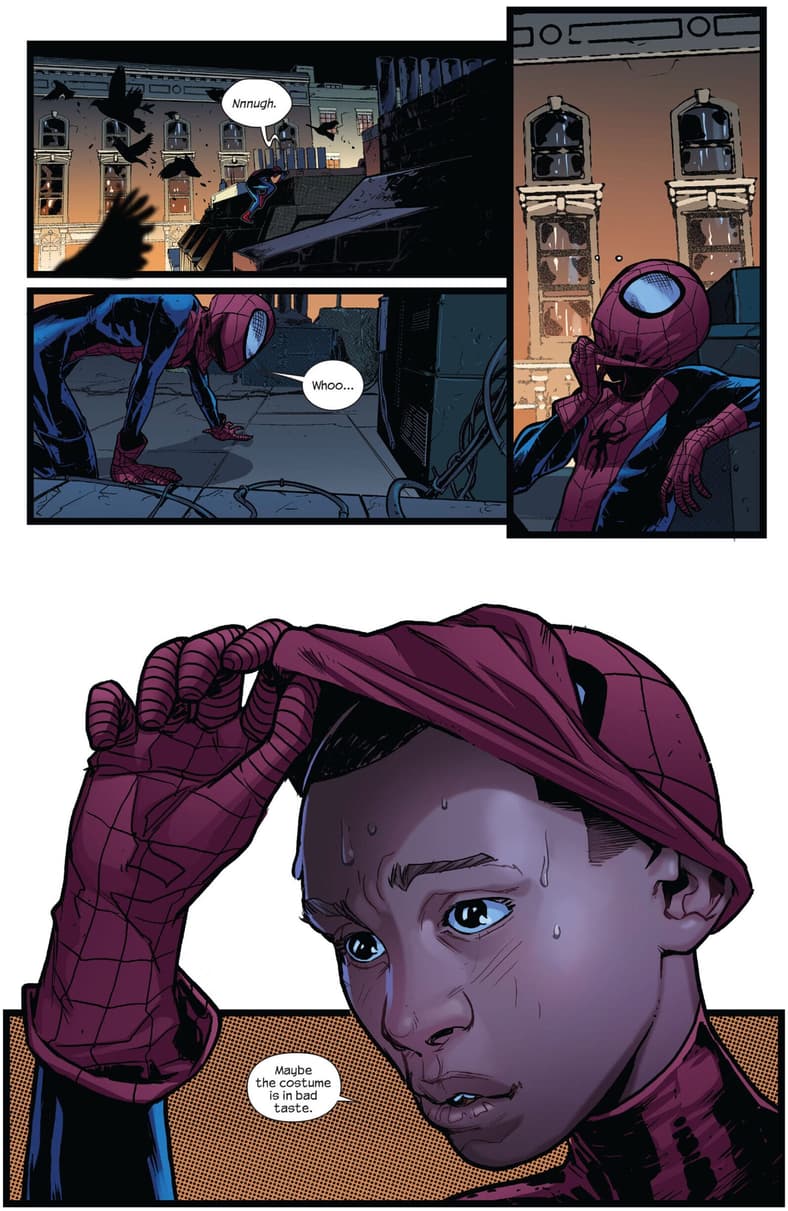
As with Mantlo and David (and many, many others) before her, Pichelli’s situation may be morally and ethically unsound, but it’s sadly completely legal, as Marvel Comics employs a ‘work-for-hire’ model whose terms dictate that any concept, character, or story create while under contract for them becomes the sole property of the publisher.
Further, said contracts do not hold any guarantees to royalties, but rather offer the opportunity for writers and artist to receive ‘incentive’ payments in the case their work blows up, which unfortunately hold no ‘guaranteed’ level of pay or promise of issuance, instead being completely up to Marvel’s discretion.
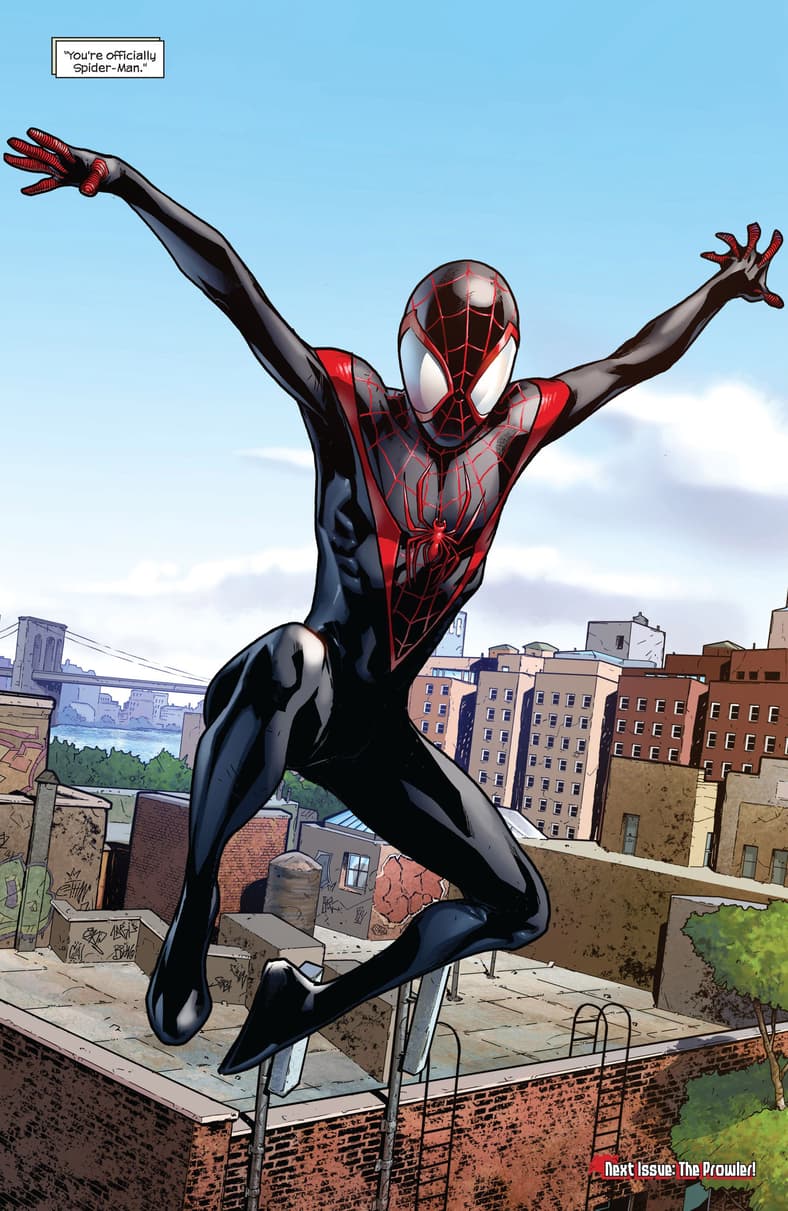
However, as noted above, ‘legally’ correct is a far, far different qualification than ‘morally’ or ‘ethically’ correct – and given the insane amounts of money and cultural currency Marvel rakes in from Miles’ various appearances, from Across the Spider-Verse to Insomniac’s Marvel’s Spider-Man line – Hell, even Spidey and his Amazing Friends does gangbusters for the pre-school demographic – it’s exceptionally clear that it’s high past time for these publishers and corporations to find some semblance of a soul and give the creators whose work they profit from their just dues.
