
‘One Piece’ Publisher Shueisha Vows “Appropriate And Strict Measures” Against OpenAI Copyright Infringement

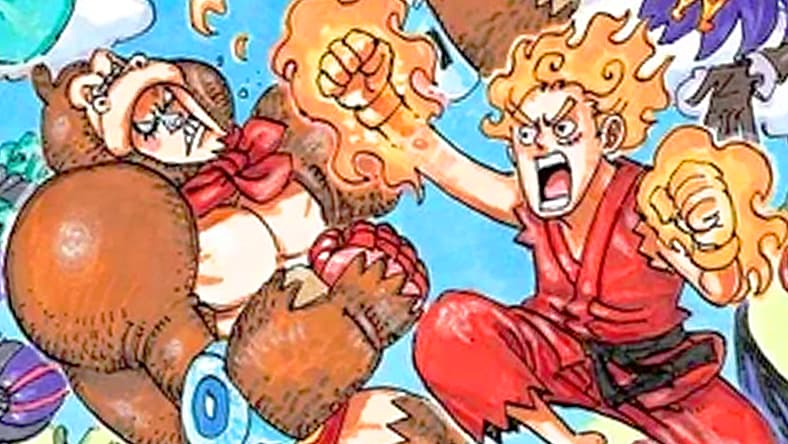
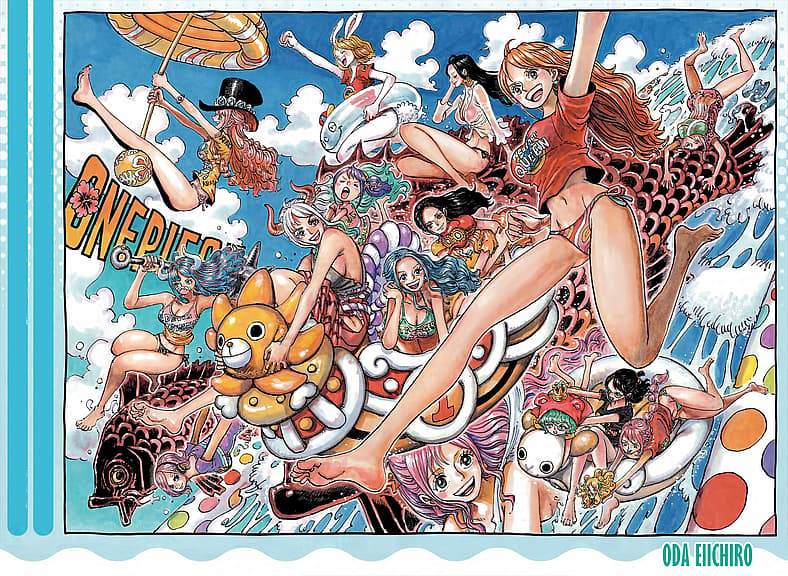
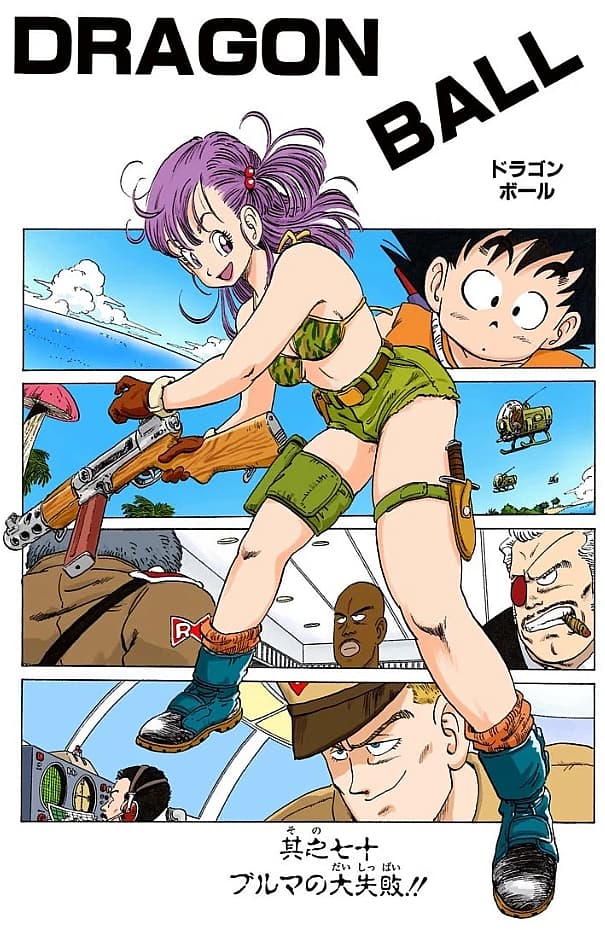
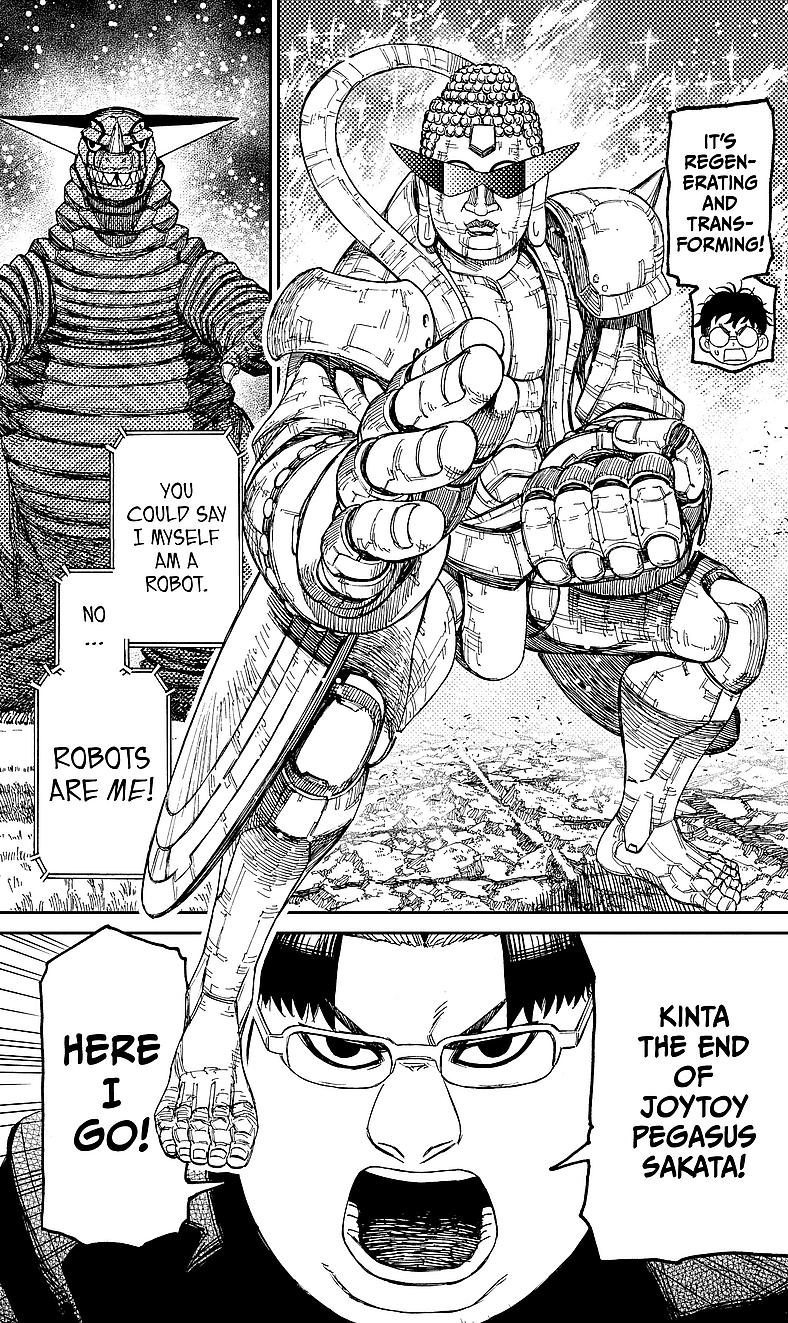
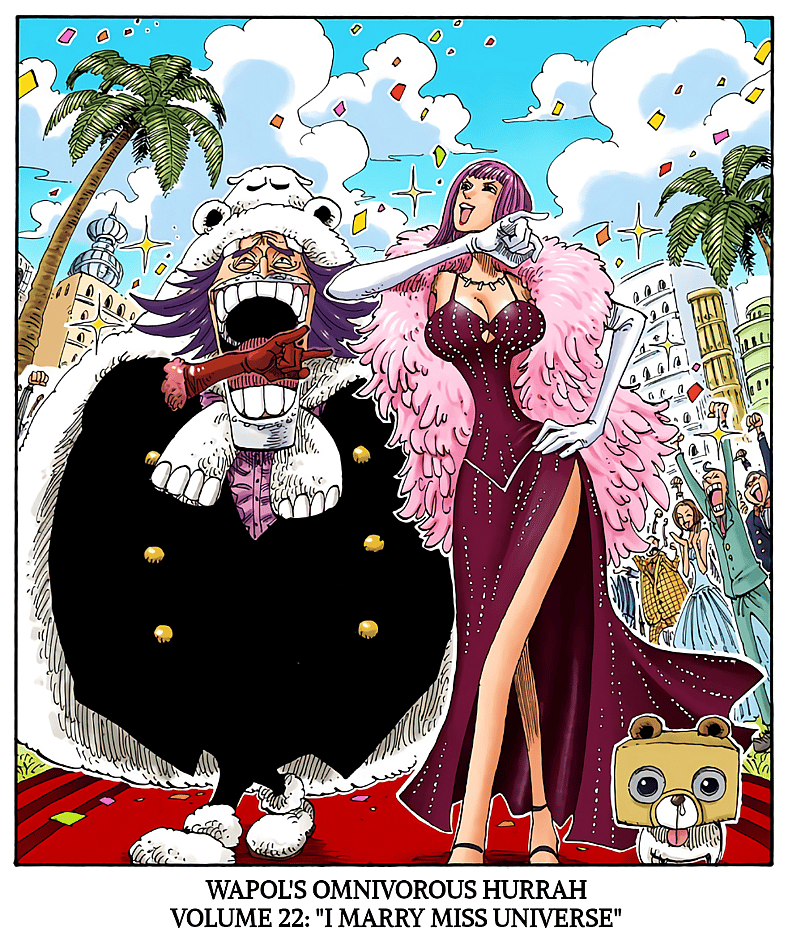
Following suit with various American creatives, Weekly Shonen Jump publisher Shueisha has made it clear that should OpenAI’s new Sora2 release engage in copyright infringement against any of their works, from One Piece, to Dragon Ball, to Mazinger Z, they are fully willing to take any and all legal measures to stop the generative AI model from abusing their libraries.
Announcing their defensive readiness in an official October 31st press release, as machine translated by DeepL, Shueisha explained of their position, “This fall, with the release of a new generative AI service (OpenAI’s Sora2), a massive number of videos resembling famous content appeared online. These videos, which infringe on the copyrights of anime and characters, are generated based on AI training.
“While the evolution of generative AI should be welcomed for enabling more people to share in the joy of creation and enjoy creative works, it must not be built upon trampling the dignity of creators who poured their heart and soul into their work or infringing on the rights of many.
“Unless providers of generative AI services, under their responsibility, promptly implement effective countermeasures against infringement—going beyond an “opt-out system”—and provide remedies for rights holders, the spiral of infringement using generative AI services, which continues to undermine the foundation of the content industry, will reach a point of no return.
“National-level responses, including legal frameworks, are also essential for content protection.”
“Regardless of whether generative AI is used, our company will take appropriate and strict measures against any use we determine infringes upon rights related to our works. We will also actively engage in activities to build and maintain a sustainable creative environment through collaboration and cooperation with copyright holders and relevant organizations.”
Though presented as to suggest that Shueisha’s potential retribution would be all but assured, one wonders just how successful the publisher will be in these efforts given Japan’s current regulations, as although the country is one of a small handful who have actually passed AI-related legislation, none of them hold any guaranteed punishments for non-compliance.
Throw in the fact that the government is also intent on making Japan “the world’s most AI-friendly country“, and it seems, at least at face, that Shueisha may have an arduous path ahead of them when it comes to protecting their IPs.
As noted above, Shueisha is not the only creativity-related entity to take a stand against generative AI’s unlicensed use of their works.
Presently, Disney and Universal are in the middle of a joint legal battle against the AI service Midjourney, whose models they accuse of being “developed using innumerable unauthorized copies of Plaintiffs’ copyrighted works”, while a noted collective of authors, including The Corrections scribe Jonathan Franzen and A Song Of Ice And Fire‘s own George R.R. Martin, are in the midst of suing OpenAI over ChatGPT’s alleged and unauthorized abuse of their works.
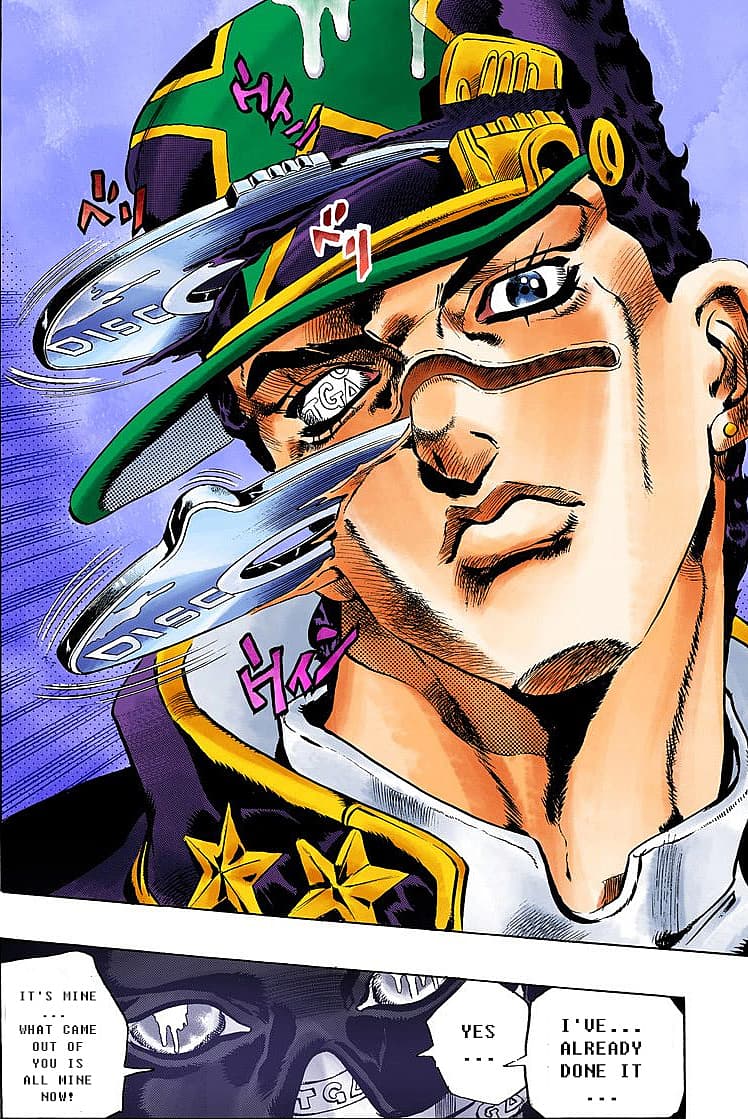
Interestingly, though not a direct employee of Shueisha himself, Jojo’s Bizarre Adventure mangaka Hirohiko Araki, whose series previously ran in Weekly Shonen Jump before jumping to its new home at the Ultra Jump sister magazine, cautioned against the “evil” of generative AI in his recent tutorial book Hirohiko Araki’s New Manga Techniques: How to Create a Villain:
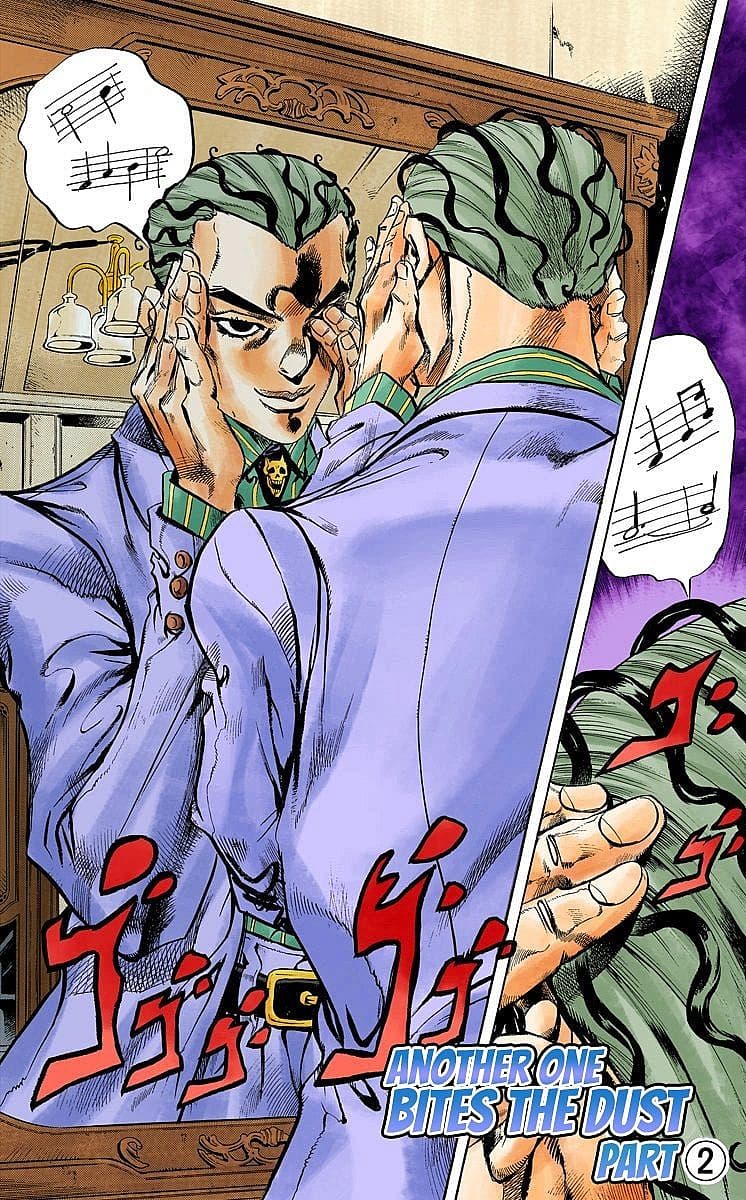
“Speaking about ‘societal evils,’ I think that as AI continues to spread throughout society, we’re going to see an increasingly shady world filled with scammers exploiting it. Recently, I came across a drawing and thought, “This is something I drew, right?” I was shocked to find out it was actually created by AI. When I draw manga, I add subtle, personal elements that make the work uniquely mine. But this AI-generated piece even mimicked details like the way I draw eyelashes, so precisely that it was almost impossible to tell it apart from my work. If it were based on recent drawings, I’d know right away, “No, I didn’t draw this.” On the other hand, I honestly wouldn’t be able to tell the difference if it were done with my art from about ten years ago, when my memory of it would be a little hazy. The more AI advances, the more this kind of thing will happen.
“Art reflects the times, and manga is one example of that. Seeing this world of con artists appear in manga could very well mean that we’re headed for a future world dominated by fraudsters. This type of ‘evil’ in today’s age will undoubtedly end up impacting manga down the line.
“Copyright infringement by AI is also a ‘villain’ that we manga artists must face. The extreme scenario is that AI-generated fakes might start being accepted as the “real thing,” and even if we try to protect our work, these counterfeits are becoming so accurate and sophisticated that it’s no longer a fight an individual can win. Having some kind of laws would probably be the only way to regulate this. However, because we’re dealing with a world of con artists, there’s also a very real possibility that laws favoring them will appear before we know it.
“Personally, I entrust my copyright management to Shueisha, but some manga artists are lax in managing their copyrights, leading to others using their artwork without permission or even leaking original drawings. When I see that, I worry that they might face serious trouble down the line if they don’t take it more seriously.”
