
“Drain Man”: How A Shelved Script Could Have Changed Live-Action Mario’s Story In 1993

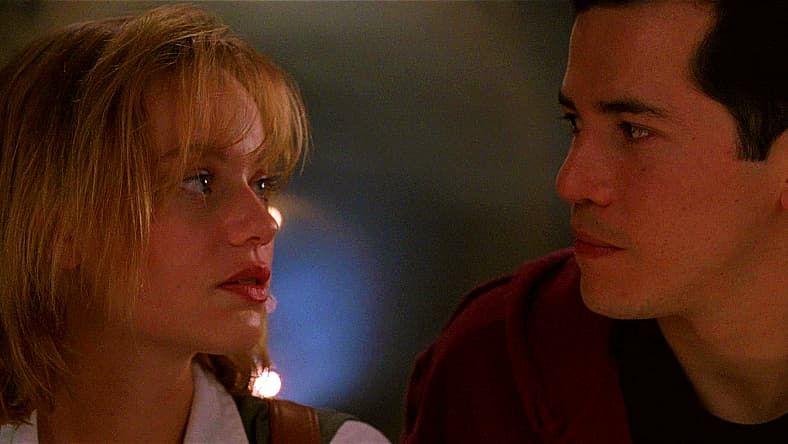
Long before Nintendo’s modern animation wave culminating in the Mario Galaxy‑themed adventure slated for this year, Mario adaptations wandered a strange, decades‑long desert hill. Hollywood spent years circling the property, often missing the tone, the charm, or even the basic silhouette of the Mushroom Kingdom.
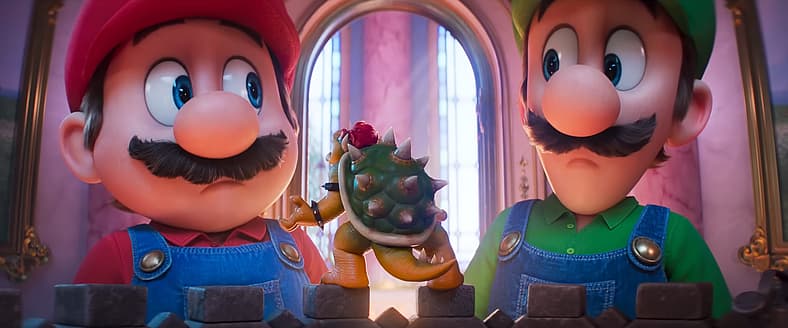
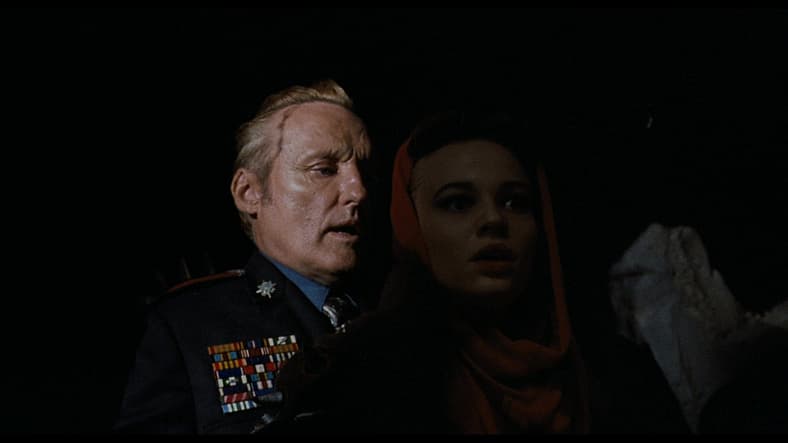
That winding road began with the 1993 live‑action Super Mario Bros., a film whose neon‑grunge dystopia felt like it had tunneled in from another universe entirely. Yet buried in the rubble of that production lies a tantalizing relic: an unused script by Rain Man writer Barry Morrow, nicknamed “Drain Man,” that would have steered the film toward something far more dramatic than the chaotic cyberpunk detour audiences ultimately received.
Before the rewrites took over, Morrow’s draft offered a grounded, character‑driven take on the Mario Brothers. Mario was a worn‑down mentor figure shouldering years of responsibility; Luigi was a drifting idealist searching for direction. Their journey into a parallel world wasn’t a plunge into neon dystopia but a descent into a crumbling mirror‑city shaped by their own anxieties. And the nickname captured the script’s unexpected emotional depth.
Morrow’s world leaned into psychological contrast rather than spectacle. Koopa was imagined as a rigid authoritarian obsessed with order, a foil to Luigi’s uncertainty. Daisy served as the emotional hinge of the story, not a quest objective but a catalyst for the Brothers’ growth. The Mushroom Kingdom became a mythic reflection of identity and responsibility – an approach that treated the characters as people first, icons second.
Inside the production, the script sparked debate. Some saw a rare chance to elevate a video‑game adaptation; others feared it strayed too far from the bright, toy‑box energy of the source material. With studios still unsure how to market game‑based films, the dramatic tone made executives uneasy. Morrow’s draft was quietly shelved as the project drifted toward a louder, more chaotic identity.
Once Morrow’s script was set aside, the production entered a period of constant reinvention. New writers cycled through with competing visions, and the film began absorbing influences from every corner of early‑’90s genre cinema. Instead of refining a single direction, the story fractured – part comedy, part dark fantasy, part industrial sci‑fi.
The parallel world morphed into a sprawling dystopian city of clattering machinery and dripping pipes. Mario and Luigi, once anchored by emotional stakes, were reshaped into reluctant action heroes navigating a world stitched together from clashing tones.
The shift wasn’t driven by one bad decision but by the cumulative effect of constant recalibration, anxious producers, ambitious directors, and a studio system still learning how to adapt interactive worlds into coherent narratives.
By the time filming began, the movie had become a patchwork of impulses. It carried flashes of ambition, but the connective tissue had been thinned by months of tonal tug‑of‑war. The result was a film remembered as much for its audacity as for its dissonance, a bold swing that never quite knew which game it was playing.
RELATED: Nintendo Revealed Two Unreleased Games Coming to Virtual Boy Coming in February
Against that backdrop, the Drain Man script stands out even more sharply. It represents a version of Super Mario Bros. that might have arrived decades before Hollywood embraced the idea that video‑game adaptations could be dramatic and character‑driven.
In the aftermath, the 1993 film cast a long shadow over Nintendo’s relationship with Hollywood. The company, famously protective of its characters, treated the experience as a warning: without tight creative control, the Mushroom Kingdom could easily become unrecognizable.
For years, Mario stayed off the big screen while other franchises stumbled through their own awkward adaptations. Yet, Morrow’s screenplay hints at a different evolutionary path where Hollywood might have embraced sincerity and emotional storytelling in game adaptations far earlier.
Morrow’s draft anticipated the direction the industry would eventually take: treating game characters not as mascots but as protagonists with inner lives and real stakes. It was an early signpost pointing toward a road the industry wouldn’t fully explore until decades later.
Now, with Nintendo’s animated resurgence and the Galaxy film on the horizon, the landscape finally resembles the one Morrow gestured toward back in 1991.
How, you may ask? The Mushroom Kingdom is being handled with care, curiosity, and a willingness to let its characters breathe. In that sense, Drain Man isn’t just a relic; it’s a reminder that the potential was always there, waiting for the industry to catch up.
