
Movie News•Movies•TV Show News•TV Shows
Kevin Feige Blames The MCU’s Decline On Overproduction: “For The First Time Ever, Quantity Trumped Quality”

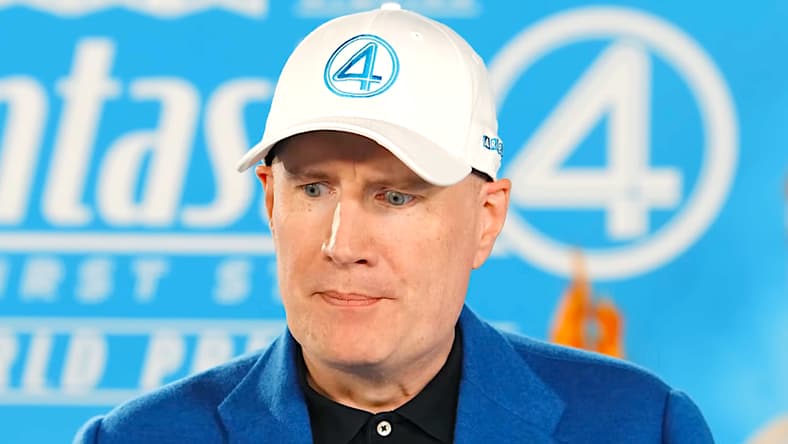
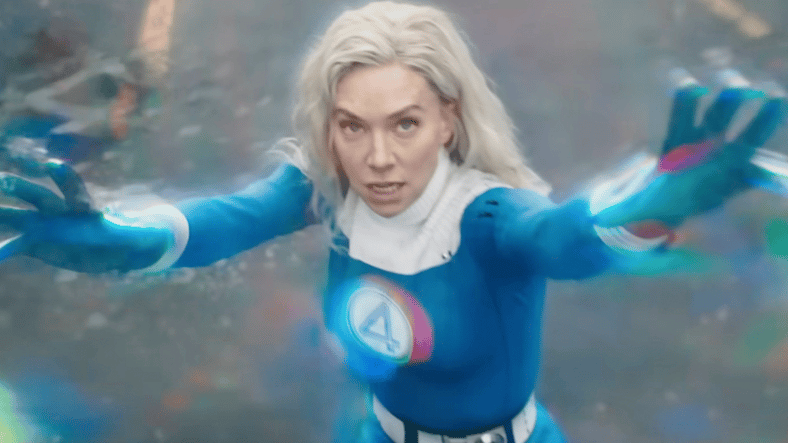
The release of The Fantastic Four: First Steps has pushed the MCU to a total of 37 feature films, but it also marks a major break for the franchise, as audiences have to wait nearly a whole year for the next MCU film. The long wait before the release of Spider-Man: Brand New Day is part of the Disney hierarchy’s plan to reduce the quantity of MCU projects in favor of improved product quality.
While addressing the franchise’s change of direction in a roundtable interview with multiple journalists at the Disney headquarters on July 20, 2025, Kevin Feige admitted that the quality of MCU films and TV shows had indeed declined after Avengers: Endgame. “For the first time ever, quantity trumped quality,” Feige said.
In his interview, Feige addressed a host of issues affecting the MCU, providing insight into its future, including the new seven-year strategic plan set to run until 2032. Kevin Feige confirmed Disney CEO Bob Iger’s earlier comments that the MCU is set to release fewer films and TV shows each year. In his address to investors in May 2024, per Variety, Iger confirmed that the MCU will reduce output to three feature films a year, with TV shows reducing to just two.
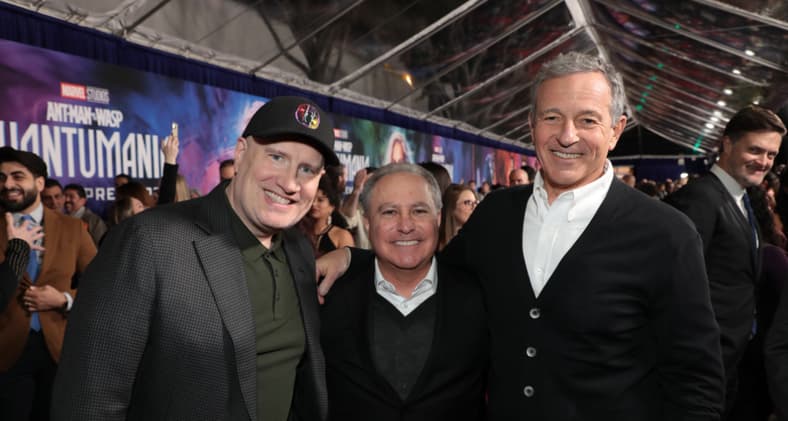
Feige also admitted the decline witnessed by the MCU after the end of the Infinity Saga, which he largely attributed to the significant increase in the frequency both films and TV shows are released, as opposed to the widespread allegations of “superhero fatigue.”
“We produced 50 hours of stories between 2007 and 2019, we’ve had well over 100 hours of stories — in half the time,” the Marvel Studios head declared, adding, “That’s too much.”

Feige would allude to James Gunn’s Superman seeming domestic success, with a reported $125 million domestic opening, to counter claims that the genre has oversaturated the market, asserting, “Look at ‘Superman.’ It’s clearly not superhero fatigue, right?”
According to Feige, the MCU entered a period of trial and error after Avengers: Endgame, as it expanded into new projects aggressively as part of a wider expansion strategy at Disney. “I’ve always thought if you take success and don’t experiment with it and don’t risk with it, then it’s not worth it,” he justified the experimentation on newer projects.
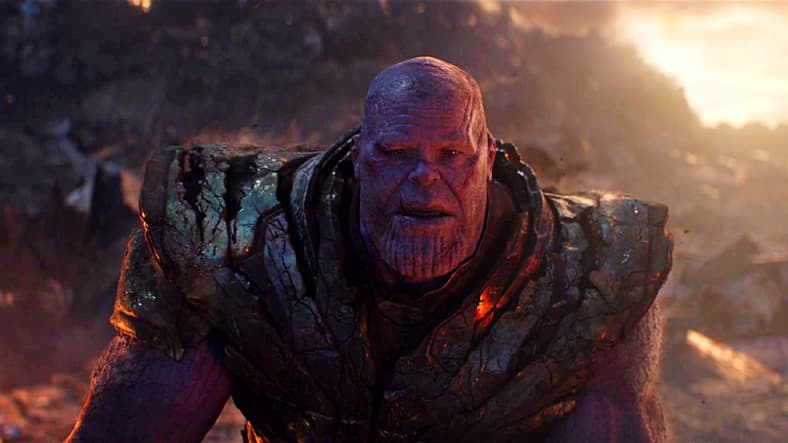
The expansion was largely a failure from an MCU perspective, as 7 out of the 15 films made after the Infinity Saga (not including the just-released Fantastic Four: First Steps) failed to reach $500 million at the global box office.
In order of release, per The Numbers, the seven films that failed to gross the $500 million box office benchmark are Black Widow ($379m), Shang-Chi and the Legend of the Ten Rings ($432m), Marvel’s Eternals ($401m), Ant-Man and the Wasp: Quantumania ($476m), The Marvels ($199m), Captain America: Brave New World ($413m), and Thunderbolts* ($382m).
Conversely, this milestone was achieved by 19 out of the 22 films that constituted the Infinity Saga.

The Multiverse Saga, on the other hand, has the MCU’s biggest ever box office bomb in The Marvels, which became the first ever film in the franchise that didn’t recoup its $270 million production budget at the box office, with a disappointing $46,110,859 on opening weekend, $84,500,223 domestic box office, and only $199,706,250 million grossed worldwide.
Though Feige didn’t address the failure of The Marvels directly, he pointed out that releasing too much content put undue pressure on fans to follow each MCU project. He pointed out Thunderbolts* as one victim of this pressure, saying most fans didn’t know the characters, who were mostly from a TV show. The film grossed just $382,316,756 million globally despite relatively favorable reviews.
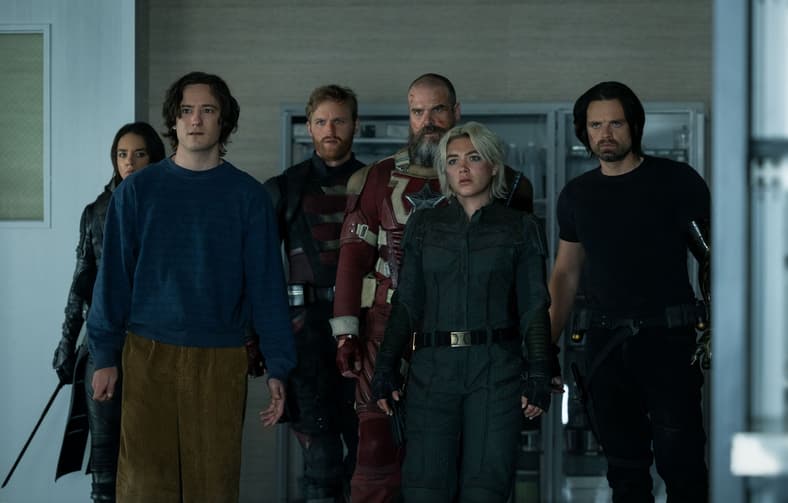
However, most would argue that the MCU largely lost connection with its fan base after Avengers: Endgame, shelving eagerly awaited content in favor of new, largely unfamiliar characters. Sequels to Spider-Man: No Way Home and Black Panther: Wakanda Forever, as well as upcoming films like the shelved Blade, were in higher demand than The Marvels and Thunderbolts*, but the latter somehow went up in Feige’s pecking order.
Disney also cancelled planned X-Men films after the merger with 21st Century Fox, instead of integrating the mutants sooner. Despite having access to the X-Men since 2019, Feige and co. didn’t introduce a mutant in the MCU until 2022, when Patrick Stewart made a cameo as another universe’s Professor X in Doctor Strange in the Multiverse of Madness.
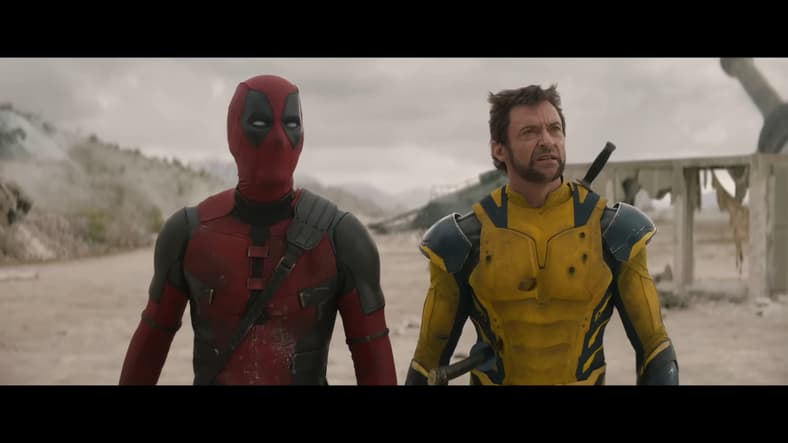
The surprise success of Deadpool & Wolverine may be a clear indicator of just how eagerly audiences wanted to see more of Fox’s X-Men in the MCU. Feige has since confirmed that the X-Men will be a major part of the franchise going forward.
Overall, the decision to reduce the frequency of MCU projects will likely boost the earnings per film at the box office for the MCU, as the long waiting periods allow for more anticipation to build up among fans. The strategy will also reduce the ballooning cost of production, which has been a major concern for Disney since the pandemic. However, a shift to focusing on MCU films that moviegoers actually want to see is necessary if the franchise is to avoid the negative results witnessed in the Multiverse Saga.
