
Kaiju History – Bong Joon-ho’s ‘The Host’ and the Sequel That Never Was

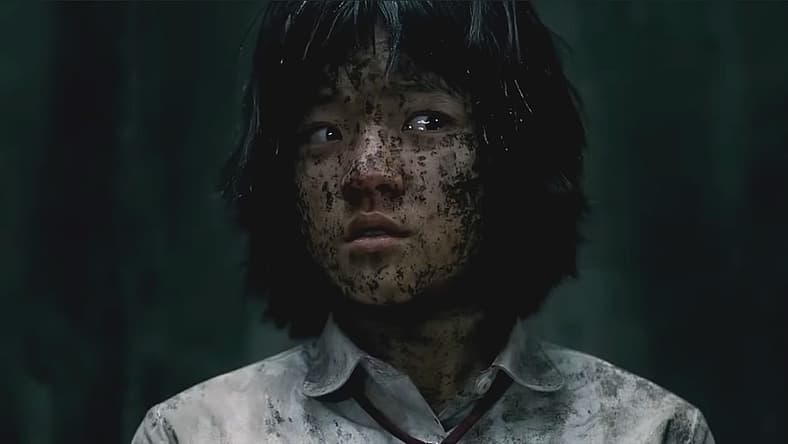
Missed opportunities: The history of cinema is littered with. Godzilla by himself is the King of them as much as the big guy is “of the monsters.” I’ve already discussed the litany of Toho’s blown chances with him at length in this series. For this edition of “Kaiju History,” we venture back across the sea from Japan to the Korean Peninsula, which was hopping with activity in its film sector 20 years ago.
South Korea has had its share of missed opportunities too, but few haunt the kaiju genre quite like the aborted sequel to Bong Joon-ho’s 2006 masterpiece, The Host. It remains a textbook case of how a studio can be blinded by the siren song of franchise potential and systematically dismantle the very DNA that made the original a global success.
For the uninitiated, The Host was not just a monster movie; it was a character-driven, socio-political satire that succeeded because it felt grounded, gritty, and profound with a real human touch. It was also funny in spots.
When Chungeorahm Films announced a sequel in late 2007, the industry’s appetite for a monster-verse (so to speak) was peaking. The studio, however, made a series of tactical errors that would eventually doom the project to a decade of development hell. The first red flag was the creative shift.
Bong Joon-ho, the auteur who gave the original its distinct soul, had no intention of returning. The studio then opted for commercial director Park Myeong-chan, signaling a pivot toward a more conventional blockbuster spectacle. They envisioned 3D effects, high-octane action, and even two competing versions, at one point – one for the domestic Korean market and one localized for Chinese audiences.
This fragmentation of creative vision was the beginning of the end for a project that is most famously remembered for a demonstration reel where a reborn version of the creature from the “first installment” is shown terrorizing a family on a winding road, flipping their vehicle with visceral, high-speed aggression. It was a terrifying sequence, boasting top-tier CGI from the effects house Macrograph.
But there was a catch: It was not a trailer for a movie. It was a proof-of-concept, a desperate pitch to potential investors designed to showcase that the sequel would be bigger, better, and louder than its predecessor. Fans, understandably, saw the high-quality animation and assumed the cameras were already rolling. Sorry, but they weren’t.
As the years dragged on, the project underwent identity crises that would make any studio head nervous. It was initially pitched as a prequel, then shifted into a direct sequel, then back again. Reports surfaced of multiple creatures and budgets exceeding ₩20 billion (as in Korean won currency, not US dollars).
The project began to mirror the failures of other derivative genre films like Sector 7, which attempted to graft a hollow, Alien-esque survival-horror plot onto a big-budget creature framework without the necessary character work to sustain it. But hey, at least that one got made.
The failure of The Host 2 serves as a sobering reminder: You cannot capture lightning in a bottle twice or fake it. We see this today in the sterile, assembly-line approach of projects like The Mandalorian and Grogu, where the joy of discovery is frequently traded for the safety of brand recognition and established tropes.
By chasing the superficial metrics of the creature-feature genre up to the 3D gimmickry, the multi-monster carnage, and the mandate of building a universe, the studio alienated the creative forces that made the 2006 film an international landmark. They tried to turn a poignant family tragedy into a theme-park ride, and in doing so, they lost the investors, the audience, and eventually, the project itself.
By 2019 – way past the idea’s sell-by date – the silence from Chungeorahm Films confirmed what many had long suspected: Their beast was cooked. That taut, adrenaline-soaked demonstration reel (which still circulates online, as you can see right below) is all that remains, standing as both a promise and a digital tombstone for a sequel that prioritized scale over substance and, in its haste to get to the action, forgot why we cared about the monster in the first place.
