
‘Project R.E.D.’ Revamping ‘Super Sentai’ For “Older Audiences”, Aims To Compete Against American Comics, Anime, And ‘Kamen Rider’

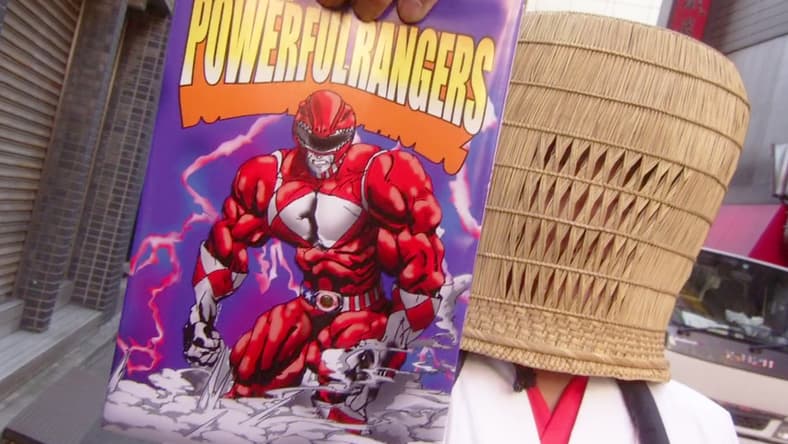
With the dust beginning to settle from Super Sentai‘s surprise cancellation announcement, franchise production house Toei Co. Ltd. is finally opening up about their upcoming Project R.E.D., most notably by revealing that the successor series’ overall goal is centered on bringing the iconic tokusatsu franchise to “older audiences”.
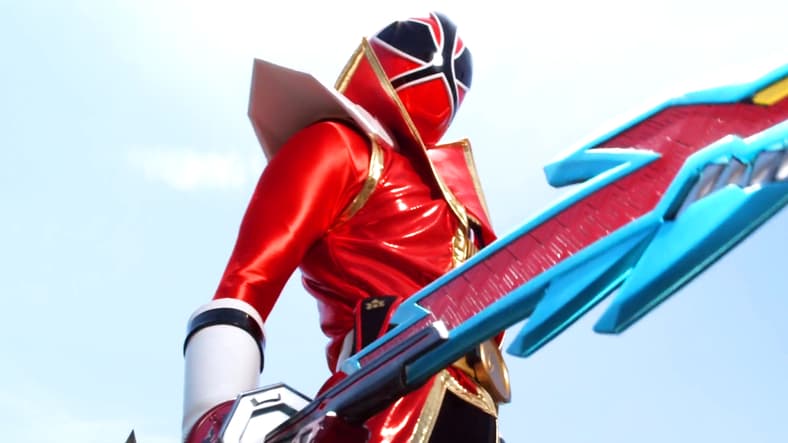
This new insight into Toei’s tokusatsu future was provided by head executive Shin-ichiro Shirakura, who also serves as the current overseer of both its Super Sentai and Kamen Rider franchises, during a recent Project R.E.D.-centric interview given to reporter Yasuyuki Onaya for the Japanese news outlet Asahi Shimbun.
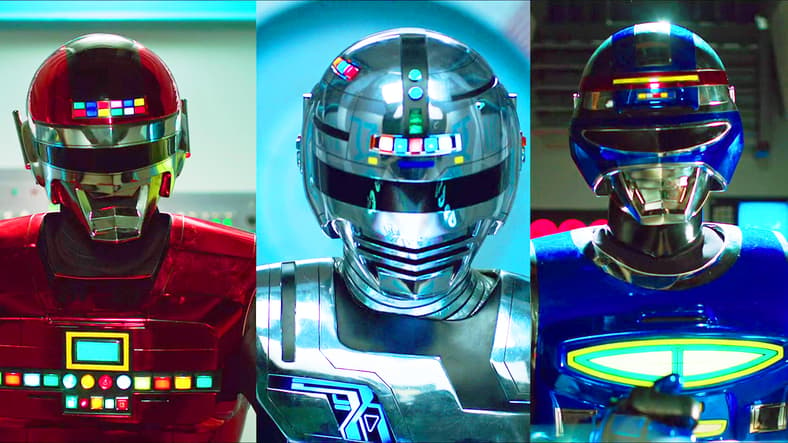
Per excerpts of the paywall-locked discussion shared by Twitter user @toku_gami and subsequently machine translated via ChatGPT, Onaya opened their time together by asking Shirakura if the decision to feature Super Space Sheriff Gavan Infinity as Project R.E.D.‘s first entry was meant to signal a full-on revival of Toei’s Metal Heroes line, to which the producer clarified, “No, this Gavan will be different from the original.”
“Though of course, we inherit what made the old one good. What made the original Gavan revolutionary was the metallic suit hero design and the use of another dimension as the battlefield. The later Metal Hero series went through trial and error and eventually ended. After a long hiatus, in 2000 Kamen Rider Kuuga launched the Heisei Rider era [Japan delineates their eras according to whichever Emperor is serving over the country at a given time], effectively passing the torch to them.”
“We don’t intend to rebuild the Metal Hero franchise as it once was. The new Gavan will inherit elements like battles in alternate dimensions, but it will be something completely different — a successor to Sentai, not a revival of the old series.”
Speaking to the decision to build Project R.E.D. around Toei’s various red-colored tokusatsu heroes, Shirakura explained, “In the past, red was considered a girl’s color. It was Super Sentai that made red evoke courage, strength, and passion — the qualities of a hero.”
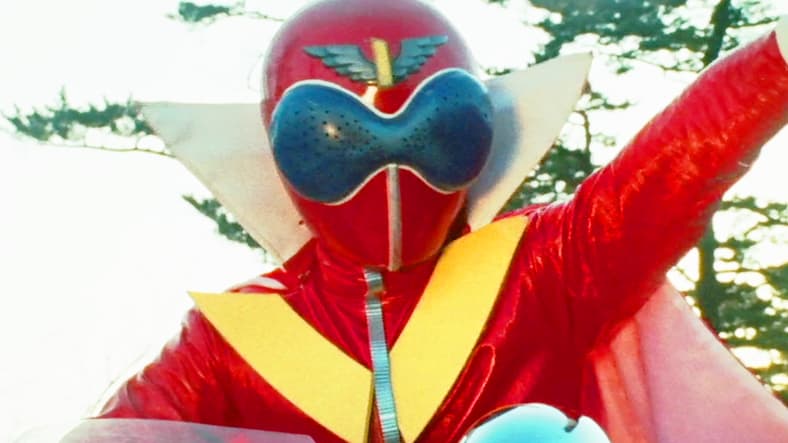
“This all began with Ishinomori Shōtarō’s [Himitsu Sentai] Gorenger. While inheriting Sentai’s traditions, we want to create a series that explores diverse possibilities centered around red-themed characters.”
To this end, asked by Onaya if fans can expect to see “giant robot battles in the new Gavan“, the Toei producer assured his host that mecha would play some sort of role in the new series, asserting, “In past Space Sheriff works as well, giant robots have appeared. We’re considering many possibilities.”
“While inheriting the DNA of the Space Sheriff series, we’re thinking about how to further develop the robot depiction that has been cultivated in Super Sentai.”
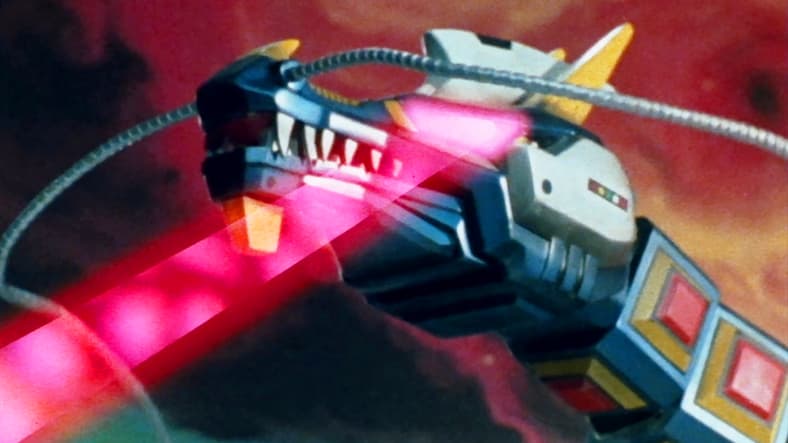
From there pressed as to whether or not a major goal of Project R.E.D. was to broaden the appeal of Super Sentai, particularly in the eyes of non-grade-school-aged audiences, Shirakura admitted to his host, “We definitely want to widen the age range of viewers.”
“We know that elementary school upper-grade children still tend to watch TV. But judging from current trends, due to the COVID pandemic accelerating the shift away from TV, younger generations are losing the habit of watching television.
As for merchandise sales strategies, Japan has a very strong market for toys aimed at younger children. However, overseas—whether the U.S. or China—it’s different. There is a clear demand for toys aimed at slightly older kids, such as elementary schoolers. So unless the content appeals at least somewhat to older audiences, it may be difficult to expand globally.”
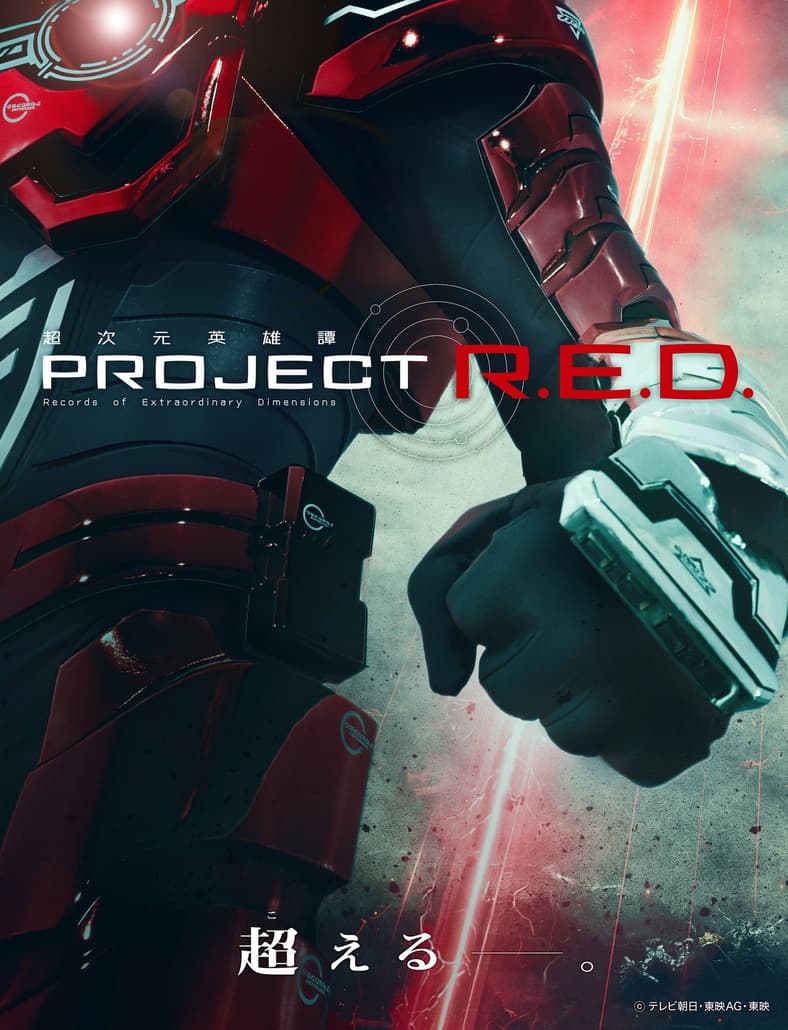
Next met with the observation that Project R.E.D.‘s teaser poster and trailer give off a far “different atmosphere” than Super Sentai itself, the producer confirmed “There are some fundamental differences” between the two series before proceeding to break them down:
“For example, Sentai series operate in a parallel-world structure where—even if the world was saved in the final episode—new villains appear the very next week in the following show. You might wonder, ‘Where did the previous heroes go?’ But that’s because the worlds do not intersect.
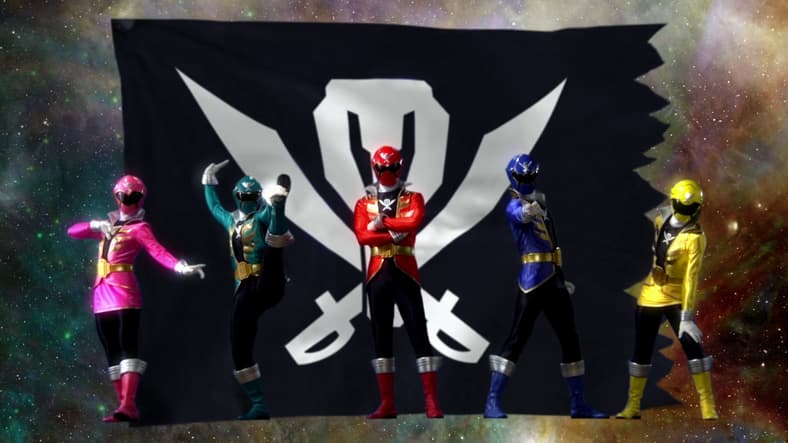
“Admittedly, in Sentai, older heroes occasionally appeared as guests. Kaizoku Sentai Gokaiger (which began in 2011), however, took place in a continuous world where retired Sentai warriors came to help. Still, within the Sentai framework, each world is fundamentally parallel.
“By contrast, continuous-world settings include series like The Avengers or Star Wars. A continuous world can sometimes make storytelling more complicated and harder to integrate, but it also allows for richer stories and deeper themes. Both approaches have strengths and weaknesses.
“Because Sentai has long reset its world every year, it has become difficult to distinguish new seasons from old ones. So going forward, as Toei tokusatsu productions, we want to explore settings where the world is connected more loosely. That is the new direction for Project R.E.D.“
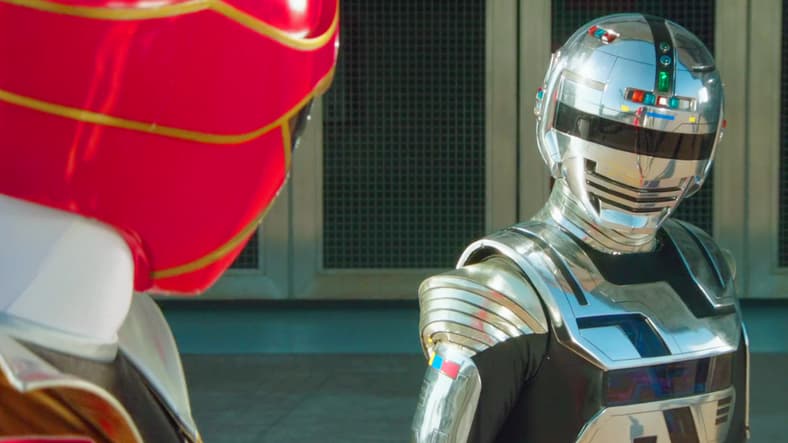
As for whether or not past heroes, whether Metal Heroes, Super Sentai, or Kamen Rider, could appear in Project R.E.D.‘s inter-connected universe, Shirakura asserted, “They may appear or may not. After Gavan, we haven’t yet thought specifically about doing this or that, but it’s not impossible.”
“Starting with the second installment after Gavan, we’d like to broaden the scope a bit—break away from the usual Super Sentai broadcast framework, without being bound strictly to ‘heroes.'”
Faced with a follow-up question from Onaya
Subsequently faced with the follow-up question from Onaya, “So there’s even a possibility they might not be heroes at all?”, the Toei exec detailed, “Our rivals are hero-based works like Kamen Rider and American comics. To compete with those, at some point I’d like to explore entertainment that steps a little outside the conventional concept of ‘heroes.’ Of course, it will still be live-action battle-oriented.
“Our real competition isn’t other live-action heroes—it’s anime. Japanese anime continues to produce globally popular entertainment such as Demon Slayer and Chainsaw Man. That’s the arena we truly have to compete in. We can’t just say “live-action has limitations compared to anime.” We need to think about challenges that will let us leap onto the global stage.
The creators supporting today’s anime boom all had shows they were obsessed with as kids. That’s how former fans become creators and help Japanese culture grow. Tokusatsu has to do the same. Project R.E.D. carries that ambition.”
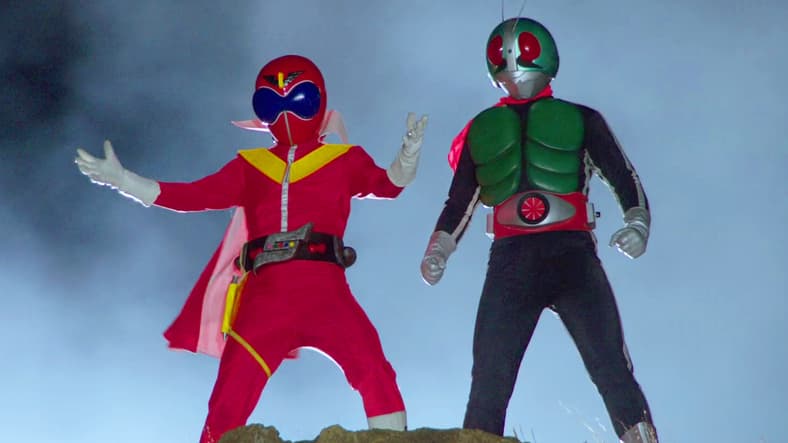
At current, the first entry in Toei’s Project R.E.D., the aforementioned Super Space Sheriff Gavan Infinity, has yet to receive an official start date.
