
Ubisoft Says Answer To ‘Assassin’s Creed Shadows’ Backlash Was Convincing Fans It Was “More Of A Video Game Than A Message”

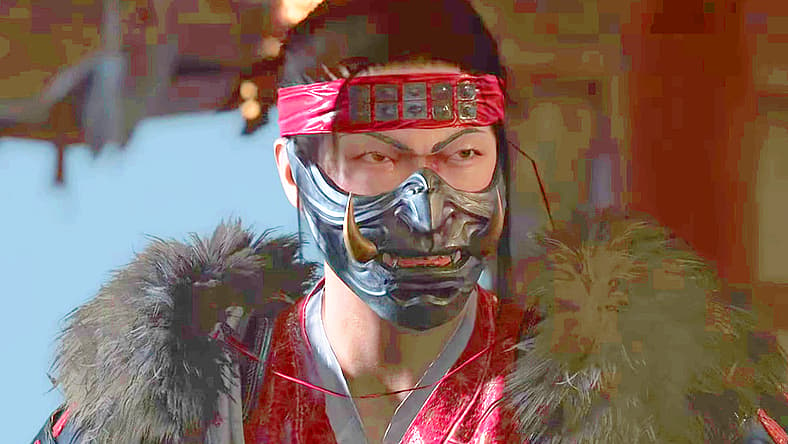
According to Ubisoft CEO Yves Guillemot, the massive wave of backlash met by Assassin’s Creed Shadows at the time of its announcement was a wake-up call for the studio, who realized that the only path forward for the embattled game was to convince the series’ longtime fans that the game was more than just a textbook example of ‘message over substance’.
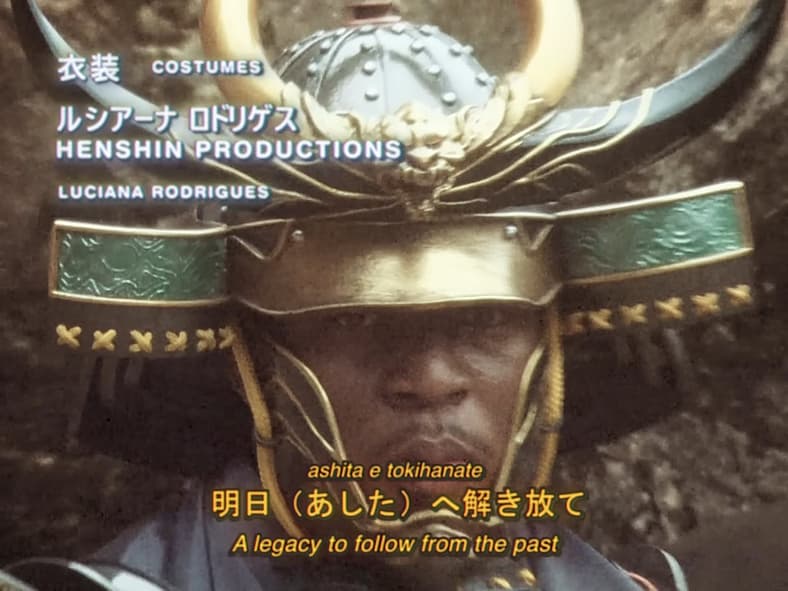
Per an exclusive report from Game File‘s Stephen Totilo, Guillemot offered this latest reflection on Shadows‘ tumultuous development cycle during a recent speaking engagement at the recent Paris Games Week 2025.
“We’ve been asked a lot to explain what happened,” the CEO told the crowd, “which is why we’re showing you the video today.”
Described by the reporter as being a “dramatic” but “remarkable 184-second professionally-narrated feature” recapping the Shadows situation from their perspective (the full audio of which is available, but currently onlt to paying Game File supporters), said video begins with a question: “What happens when a legendary franchise reveals one of its most anticipated experiences…only to become the game everyone loves to hate?”
“We had to stop focusing on those who hated us. We had to start firing up our allies.”

Continuing in his recap, Totilo details, “The gist of the video—and of remarks from Guillemot that followed—is that Ubisoft was initially thrown off by the backlash, pivoted by delaying the game, polished it, and focused on appealing to Assassin’s Creed fans who would in turn defend the game.”
Further, upon returning to the stage, Guillemot reportedly offered his own personal recollection of the situation, telling attendees, “We were initially surprised by the extent of the attacks. And we quickly realized that it was a battle, a battle with our fans, to demonstrate that we were, in fact, more of a video game than a message.”
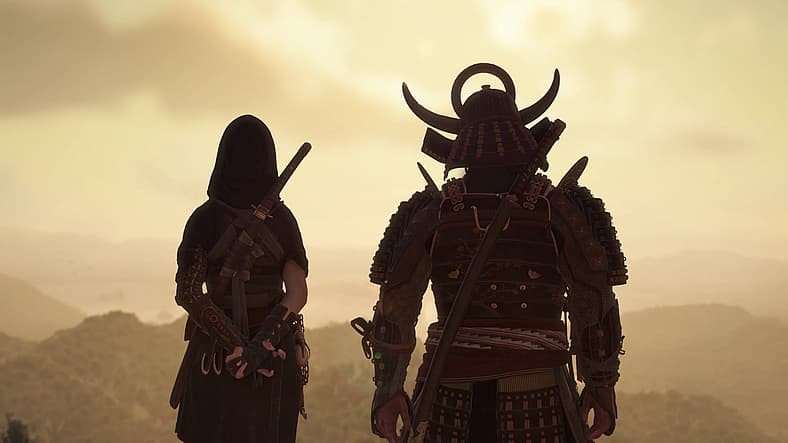
Notably, Guillemot is not the first Ubisoft higher-up to publicly reflect on the Shadows controversy.
Getting into Yasuke and Naoe’s wild ride during a November 2nd industry event, as hosted by the British Academy of Film and Television Arts and recapped by Eurogamer‘s Tom Phillips, Assassin’s Creed franchise head Marc-Alexis Coté.
“Assassin’s Creed has always been about exploring the full spectrum of human history, and by its very nature, that history is diverse. Staying true to history means embracing the richness of human perspectives – without compromise. For example, in Assassin’s Creed Shadows, we highlight figures, both fictional like Naoe, a Japanese woman warrior, and historical, like Yasuke, the African born samurai. While the inclusion of a Black samurai in feudal Japan has sparked questions and even controversy, Naoe, as a fictional character, has also faced scrutiny for her gender.
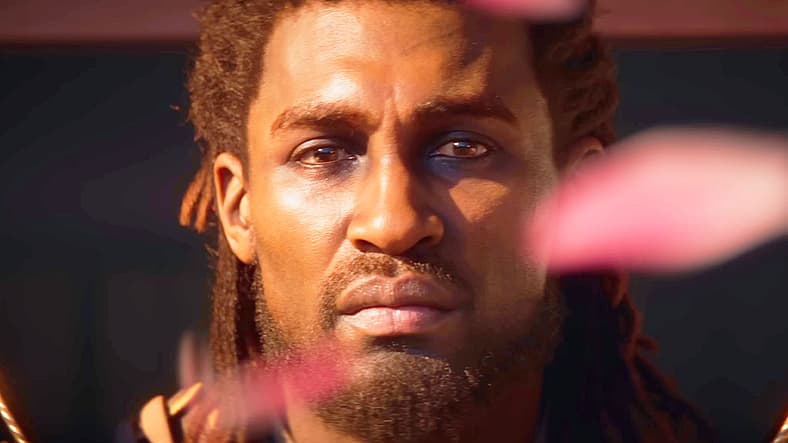
“But just as Yasuke’s presence in Japanese history is fact, so too are the stories of women who defied societal expectations and took up arms in times of conflict. So while both Naoe and Yasuke’s stories are works of historical fiction, they reflect the collision of different worlds, cultures and roles, and their inclusion is precisely the kind of narrative that Assassin’s Creed seeks to tell, one that reflects the complexity and interconnectedness of our shared history.
“And this isn’t new ground for the franchise. From Altaïr [AC1] to Aveline de Grandpré (Liberation) to Ratonhnhaké:ton [AC3], we’ve consistently introduced protagonists from diverse racial, ethnic and gender identities. History is inherently diverse, and so is Assassin’s Creed and the stories we tell. So to be clear, our commitment to inclusivity is grounded in historical authenticity and respect for diverse perspectives, not driven by modern agendas.”
