
‘Final Fantasy VII Rebirth’ Director Says Number And Frequency Of Minigames Was “Calculated”, Confirms Similar Plans For Series Finale

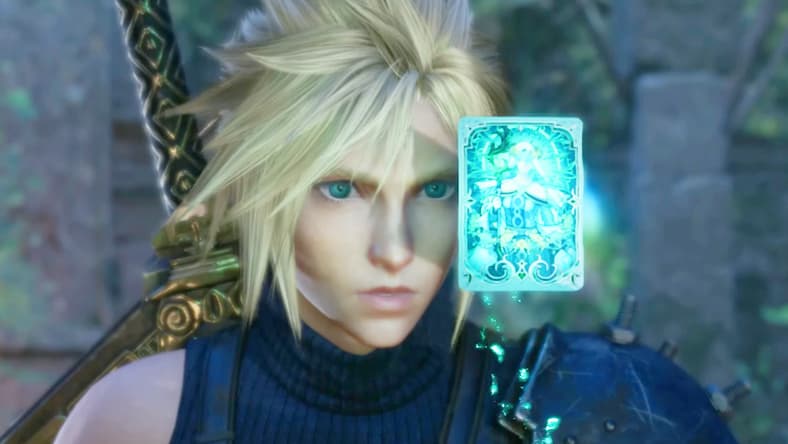
Though a common point of contention among players, Final Fantasy VII Rebirth director Naoki Hamaguchi says the frequency and variety of the game’s various minigame were random, but instead part of a “calculated” design strategy to keep things “fresh” over the course of Cloud and Co.’s lengthy adventure.
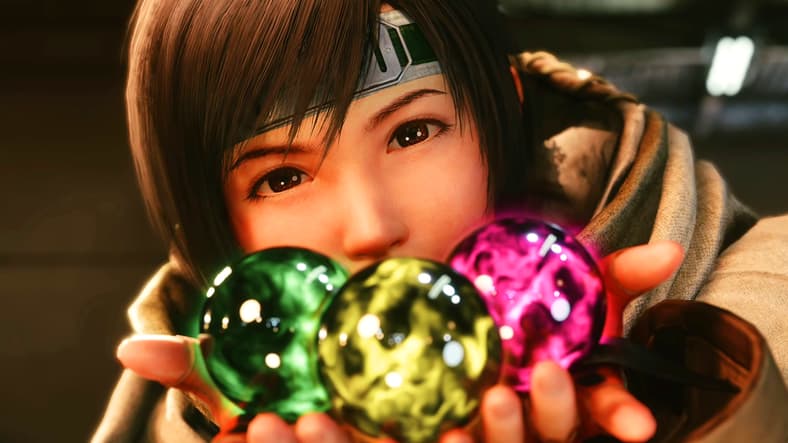
From luring a trio of chickens back to their owner by slowly pulling a can of feed attached to a rope, to the Queen’s Blood card game, to the offerings of the Golden Saucer’s Wonderment Square, the second entry in the Final Fantasy VII remake trilogy is undeniably stuffed to the brim with a variety of minigames, many of them one-offs whose mechanics exist solely for the relevant gameplay.
Said minigames are also regularly presented in an almost back-to-back fashion, with players being required to complete at least a few whenever they reach a new area of the world map before advancing to the next major story beat.
Pressed during a recent interview with the Malaysian video game news outlet GamerBraves as to the reasons and motivations behind the game’s massive selection of minigames, Hamaguchi asserted, “So, that’s not a unique problem for FFVII Rebirth only. A lot of games, aside from the main theme and the main story progression, also have the side games and the mini games built into them.”
“When you’re playing the game and you’re going through the main story progression, as well as the intended game design, you tend to fall into this trap of having the same tempo. So, you tend to get bored playing it.
“So, to sort of combat this and keep that fresh feeling of going through the game, that’s why we introduced these minigames, to sort of add a diversity of experience as you’re playing the game, to keep up a good rhythm, so to say.”
Acknowledging how Rebirth‘s emphasis on minigames may not work for every player, Hamaguchi asserted, “We understand when you introduce these different facets into the game, some people would play it and really really enjoy it, but some people rather just get on with the main story, [so] it’s sort of a calculated move on our part to include all of these different facets of the game.”
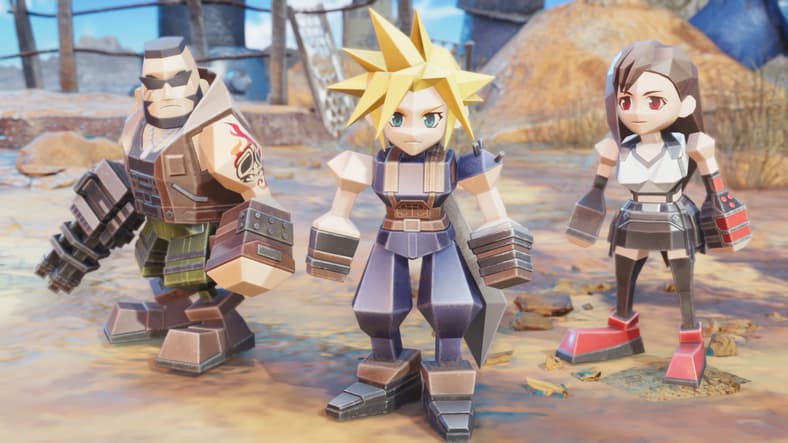
He further noted that the wide variety was directly derived from the PS1 version, telling his host “The original FFVII also had lots of minigames, and it was very famous for that.”
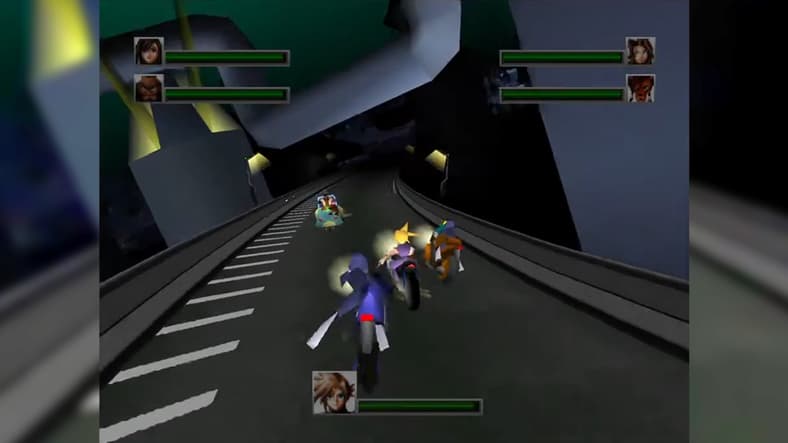
And while critics would have loved nothing more for the third and final Remake entry to massively scale back their required minigames, a separate interview with Polygon saw Hamaguchi confirm that the series finale would not only be following its predecessor’s minigame variety footsteps, but also expanding on some of its returning and newly debuting diversions – including, in particular, the aforementioned Queen’s Blood.
“Queen’s Blood is a very popular and beloved minigame, and I believe a lot of people are still wanting something like that,” he told the outlet. “I want to expand on Queen’s Blood so that we are enhancing it, and giving you a more powered-up version of it when you see that third installment… Queen’s Blood is still going to be available in the third installment. We just want to expand on it.”
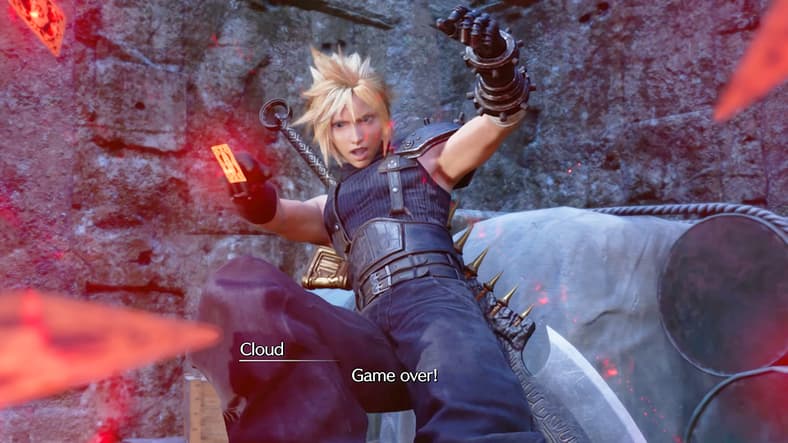
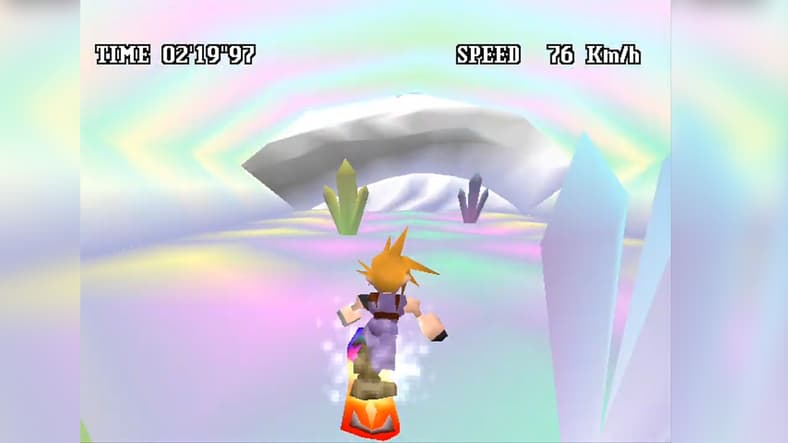
And of course, Hamaguchi explicitly promised that the next installment would be both tackling and expanding upon the original FF7‘s most famous minigame: “Snowboarding!”
“This is something that fans have really deep memories about!” he concluded. “I’m afraid I can’t delve too much into the details, but we understand that it’s not going to be just a simple snowboarding minigame. We want to make sure that it’s incorporated into the story to have that sort of connection with the theming of it.”
While the conclusion to FF7‘s remake line has yet to receive an official release date, the series’ bridge entry Final Fantasy VII Remake Intergrade, was recently made available for the Nintendo Switch 2 and Xbox X|S platforms.
NEXT: ‘Final Fantasy VII Remake’ Director Says Third Game Won’t Launch With Streamlined Progression Mode
