
Nintendo Is Being Sued By Players Over Tariff Refunds

The legal drama regarding Nintendo is not slowing down. While the Pokémon-style battle patent was rejected, it seems like the company needs to prepare for another lawsuit. But this time, Nintendo is being sued by players over tariff refunds.
According to new court documents obtained by Aftermath, two Nintendo players proposed a class action complaint in the United States District Court’s Western District of Washington, hoping to force Nintendo to pass a portion of their tariff refunds back to them.
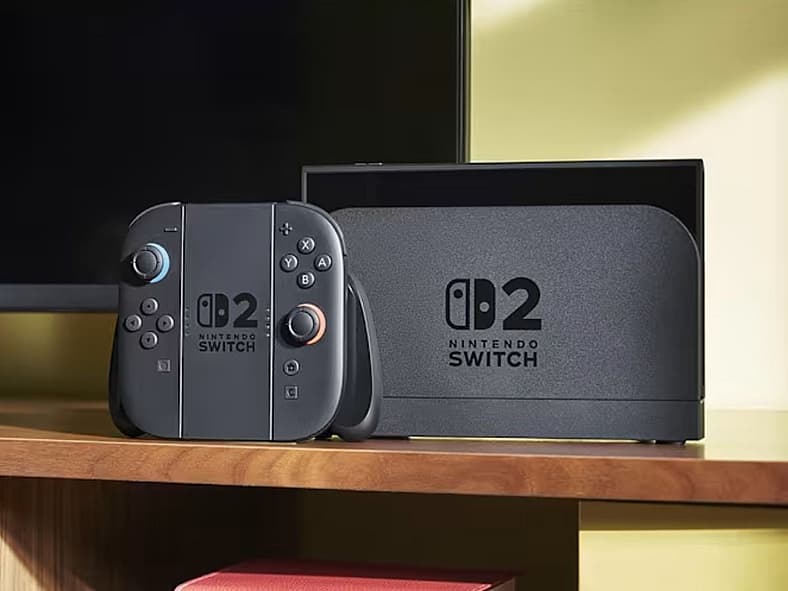
Back in April 2025, Nintendo delayed Switch 2 pre-orders because of the uncertainty surrounding the US economy, and later announced that Switch 2 accessories would see a price increase “due to changes in market conditions.”
While the hardware didn’t see an increase, accessories, including Joy-Con 2 controllers, charging grips, wheel sets, dock sets, and more, were raised by $5-$10.
However, in August 2025, Nintendo increased the price of the original Switch, with the Switch Lite increasing by $30, the Switch increasing by $40, and the OLED becoming $50 more expensive. This was due to US President Donald Trump’s decision to impose tariffs.
Now, following the court’s ruling that global tariffs were illegal, thousands of companies found that they were eligible to receive refunds from the US government. Many companies have passed those refunds to customers, and it seems Nintendo players are ready to receive their refunds as well.
“In practical terms, Nintendo stands to receive a windfall: it has already recouped tariff costs from consumers through higher prices, and it now stands in line to recover the same unlawful tariff payments from the federal government,” the plaintiffs’ lawyers wrote in the complaint.
According to the two Nintendo customers, if Nintendo has received refunds on these tariffs, it will essentially be making extra money due to the price increase throughout last year. “Unless restrained by this Court, Nintendo stands to recover the same tariff payments twice – once from consumers through higher prices and again from the federal government through tariff refunds, including interest paid by the government on those funds,” the lawsuit says.
