Tetris CEO Laments How “There’s So Many Women Playing Games” But “Mostly Men Designing” Them


In the opinion of current The Tetris Company CEO Maya Rogers, one of the strangest discrepancies currently facing the modern video game industry is the fact that although more women are playing games than ever before, there has not been a proportionate rise in female developers and C-suite executives.
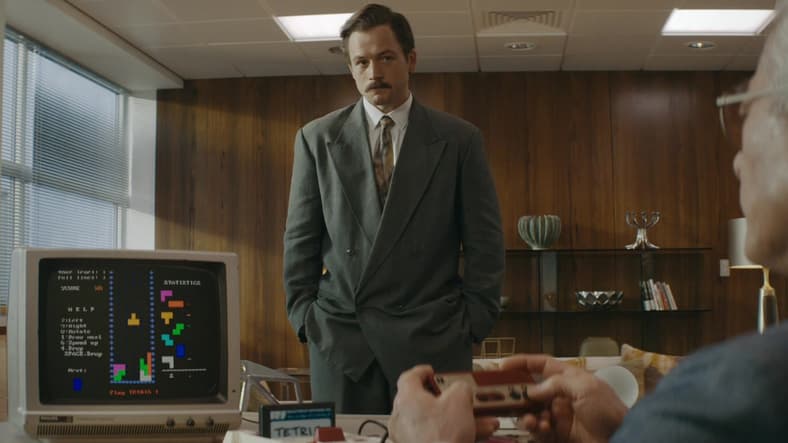
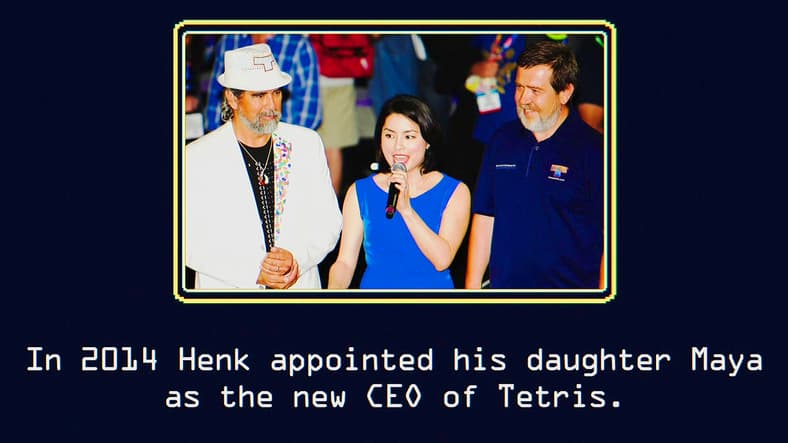
Serving as the head of Tetris’ brand management ever since the 2014 retirement of her father Henk Rogers, who founded the company in the 1980s after securing the worldwide distribution rights to Alexey Pajitnov’s seminal puzzle game (and was played Taron Egerton in the 2023 Apple TV+ movie), Rogers offered her thoughts on the current state of her industry during a recent interview given to GamesIndustry.biz‘s Lewis Packwood.
Speaking to a 2020 report from the Women in Games activism group that claimed women made up 50% of worldwide players but just 22% of the total video game workforce and 16% of executive positions therein, Rogers asserted, “There’s so many women playing games, and we’re still having mostly men designing games. That doesn’t make any sense at all.”
To this end, Rogers implored any women interested in game development to “follow their passion”, especially in the face of the industry’s male-centric image:
“Men show up to the table and they’re kind of winging it, right? Guys are really good at winging it, [while] Women show up overqualified, because they’re like, ‘Oh my gosh, am I good enough for the job?’
“We’ve got to put ourselves out there, and be ‘Okay’ to be vulnerable.”

RELATED: ‘Dragon Quest’ Creator Yuji Horii Slams The Use Of ‘Body Types’ Over ‘Gender’ In Video Game Character Creators: “Who On Earth Would Complain If We Made Them Male And Female?”
But far from being blind to progress, the CEO acknowledged, “When my father was running the business, it was more male. And now we have a lot of women, and it’s great. We’re doing amazing things. Girls can do it all.”
Rogers also credited much of this progress to the previous prevalence of Diversity, Equity, and Inclusion (DEI) initiatives, telling her host, “That in itself in America today is a thing that’s being questioned, but I think that was so important to have, because it did change how many people of diversity, [of] different backgrounds were allowed in the workplace.”

“There needs to be something that is almost enforced to make sure that there are enough women in the industry. [And established women in the industry should] be out there, being vocal, inspiring people to fight for their rights.”
Drawing her thoughts on the subject to a close, Rogers ultimately declared, “It is always going to be a battle. But if you look at the history […], how do things change? It was the women [who] came together, and they fought for their rights, and that’s what needs to happen.”