
Head Of Sony’s Studio Business Group Admits They Do “More Rigorous And More Frequent Testing” After ‘Concord’ Flop

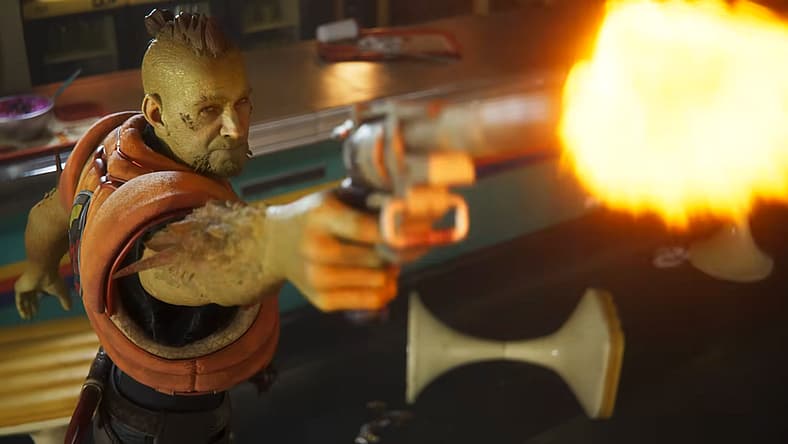
Hermen Hulst, CEO of Studio Business Group at Sony Interactive Entertainment (SIE), discussed how PlayStation now conduct more testing to ensure a game will be well-received by players. This comes after Concord failed practically at-launch, despite it being touted as PlayStation’s next big game.
In an interview with Financial Times, Hulst discussed how other PlayStation executives were trying to balance control over their first-party studios, while also allowing them to innovate.
“I don’t want teams to always play it safe, but I would like for us, when we fail, to fail early and cheaply,” Hulst explained in a surprisingly candid comment. Nonetheless, he wanted them to “think big” when making major titles, while PlayStation was taking measure to prevent fallout from titles that miss the mark.
This new approach was motivated by the failure of Concord.
For instance, Hulst almost dismissed the previously declared lofty goal of former Sony Interactive Entertainment CEO Jim Ryan — ten or move live-service games by March 2026. “The number [of live-service releases] is not so important. What is important to me is having a diverse set of player experiences and a set of communities,” Hulst justified.
Live-service titles with big IPs have reportedly been canned, including those based on The Last of Us, God of War, Spider-Man, and Twisted Metal.
Seemingly addressing the Concord fiasco, Hulst reveals, “We have since put in place much more rigorous and more frequent testing in very many different ways. The advantage of every failure […] is that people now understand how necessary that [oversight] is.”
Per studio heads, this includes a greater focus on group testing, taking note of other first-party studios’ efforts, and working closer with executives who play the game before launch. Another example came from Jason Connell, Sucker Punch’s art director.
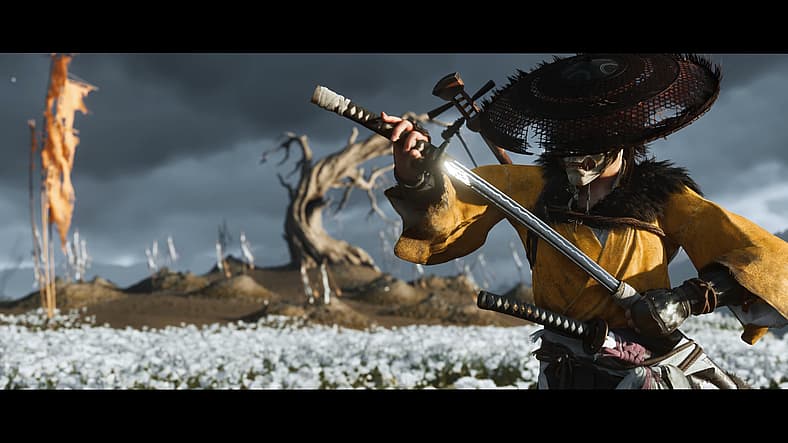
“If we’re heading towards a giant landmine, like there’s another studio making exactly the same game, that’s good information,” Connell highlighted, noting that they had no “boundaries” for Ghost of Yōtei.
Hulst also discussed how he wanted studios to consider how to turn their IPs into major franchises (in exchange for more resources to work with). Insiders told Financial Times they feared shareholder demands for more revenue may result in pressure on studios to bloat.
PlayStation is likely to have some fear about betting too big, as the company’s change of tact and Hulst’s comments were motivated by Concord. It was shuttered just two weeks after launch in 2024, and SIE even refunded those who had bought it.
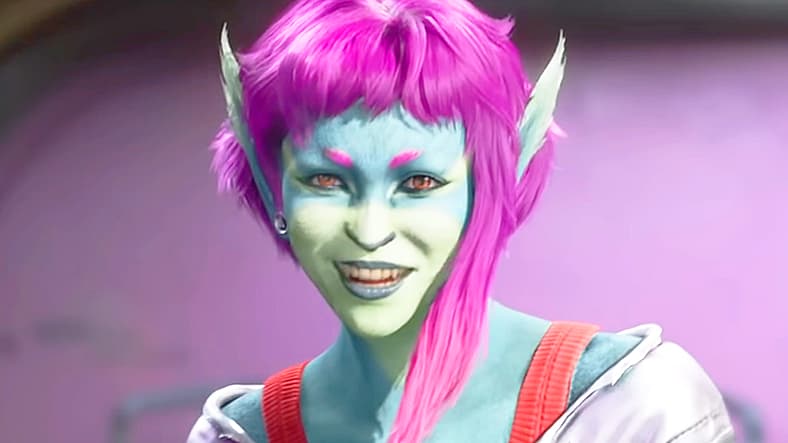
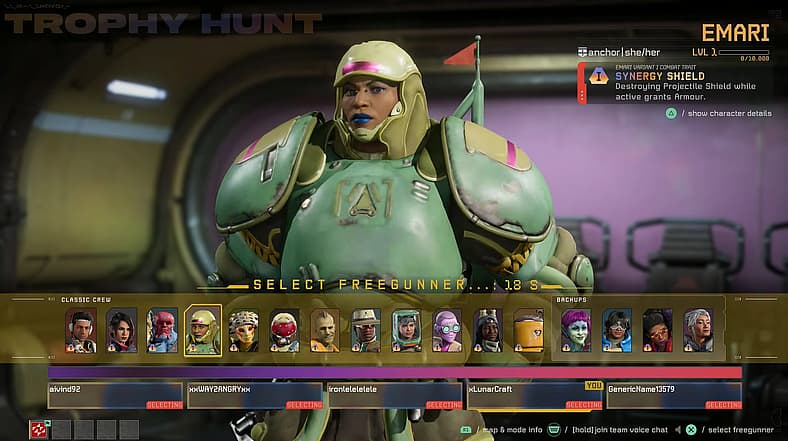
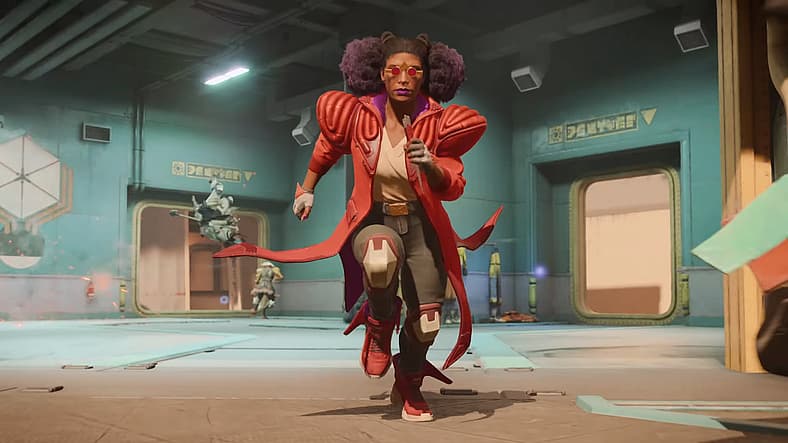
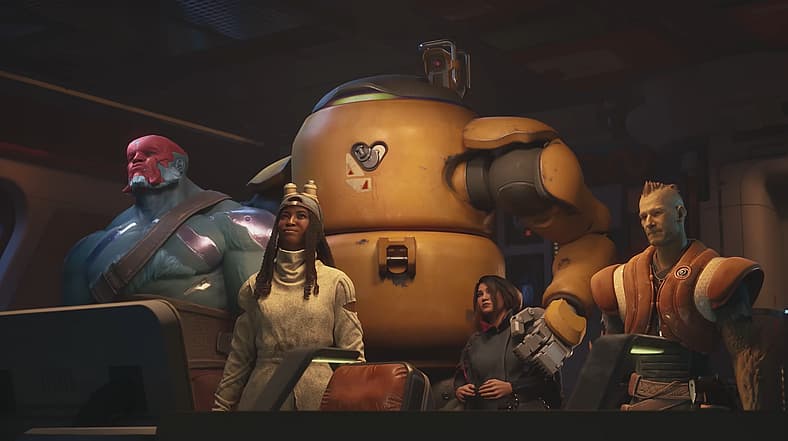
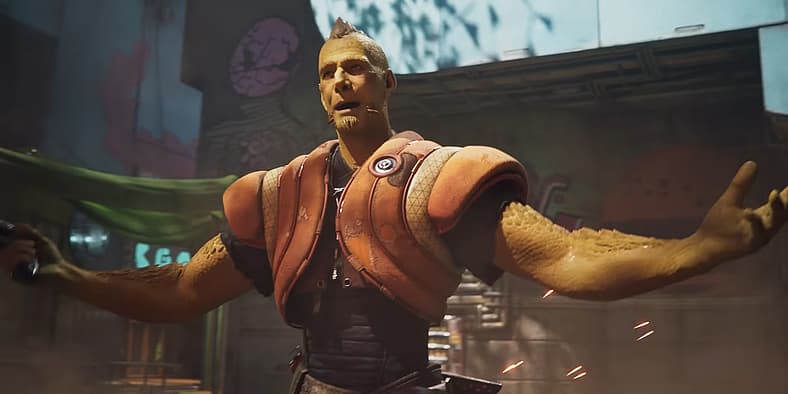
Concord had failed to capture reviewers or gamers with gameplay and character designs, at a time the live-service shooter market was over-saturated even with free-to-play games (while Concord was $40). Developer Firewalk Studios, who had been acquired by SIE in the year prior, were shut down soon after.
While Financial Times reports analysts proposing it cost $250 million to make, a former developer anonymously claimed it cost $400 million.
$200 million had reportedly already been spent getting the game into alpha before Firewalk were acquired. Despite its rough state, SIE reportedly felt it needed the same again just to make it “viable,” yet also wanted the game out the door within “the next year or two.”
This tight turn-around was only made worse by SIE’s “toxic positivity,” insistence that Concord would become a “Star Wars-like project for Sony” that could be expanded into a franchise, and all negative critique being quashed. What started as Hulst’s “baby” became an episode in Secret Levels, sharing lore for a game that no longer existed.
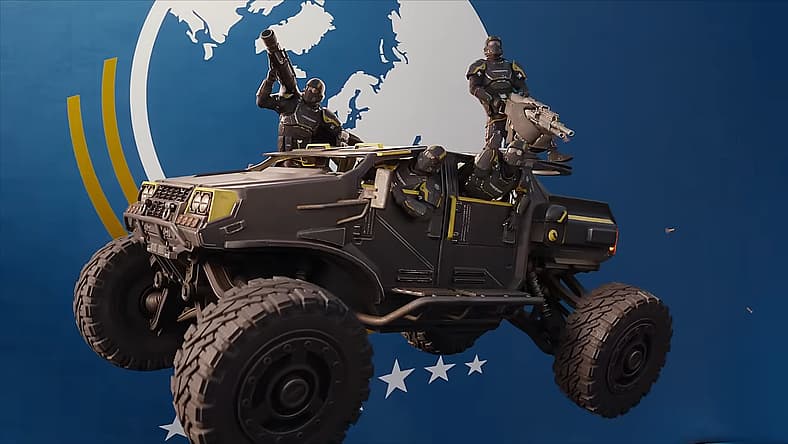
SIE’s efforts with live-service have been a mixed bag since. While it’s easy to be dazzled by the success of Helldivers 2– which has a franchise-expanding film in production — well-received titles aren’t immune to backlash and controversy with each update.
Even with the blink-and-you’ll-miss-it existence of Foamstars, Hulst was still championing live-service titles in January of this year, along with their story-driven single-player games. In June it was announced Marathon would be delayed indefinitely, and outside of SIE there was the titanic flops of Suicide Squad: Kill the Justice League and MultiVersus.
In August, SIE Chief Financial Officer Lin Tao praised Helldivers 2, MLB The Show, Gran Turismo 7, and Destiny 2 contributing profits in a “stable manner.” Nonetheless, when pressed on how they were developing the relatively new live-service business strategy by a shareholder, Tao admitted “in terms of the transformation, it’s not entirely going smoothly.”
She emphasized SIE recognized “there are still issues, many issues. So we should learn the lessons from mistakes and make sure that we introduce live service content where there is less waste and it’s more smooth.”
NEXT: Indie Developers Are Delaying Their Games To Avoid The Release Date Of ‘Hollow Knight: Silksong’
