
Nintendo And The Pokémon Company Snag Patent To Lock Down Sub-Character Summoning For Battle

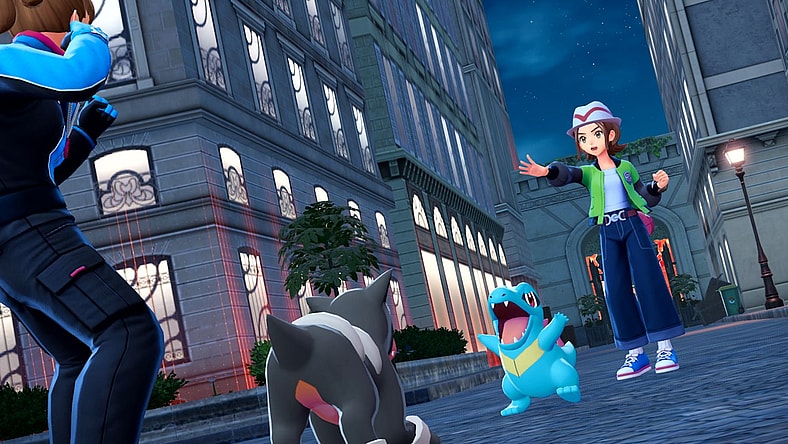
Nintendo have drawn more ire by seizing yet another gameplay patent. Accused of using patents to quash the competition in “lawfare” — such as the ongoing case against Pocketpair and Palworld over infringing on patents for Pokémon — Nintendo now seemingly own the patent for being able to summon a character to fight for you in a video game.
RELATED: 7 Best Virtual Reality Games That Changed the Medium
Games Fray reports Nintendo gained two new patents in the United States. U.S. Patent No. 12,403,397 b2 was issued at the start of this month, and reportedly faced no rejection or need to modify any of the “claims” therein.
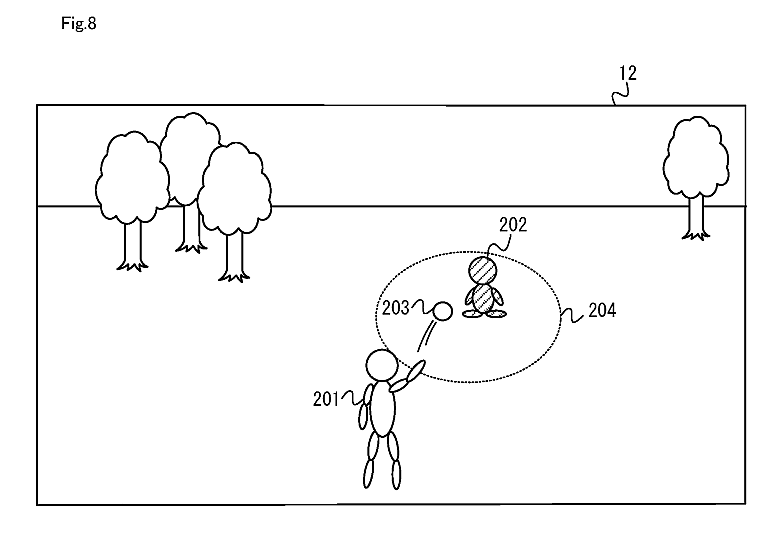
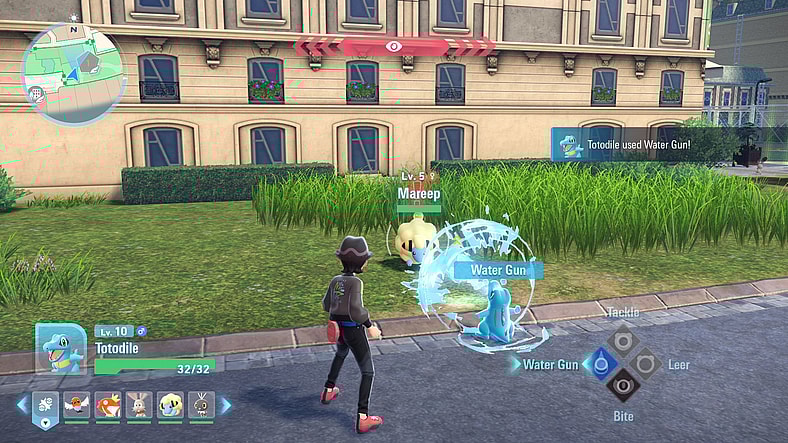
Keeping it as simple as possible, the patent describes being able to move a character around an area, and making a “sub character” appear with a “first operation input.” If that character appears in the same place as an enemy character, they battle (with the player controlling the sub character’s actions).
Otherwise, the sub character can be sent in a direction, and end up in fights with foes as aforementioned.
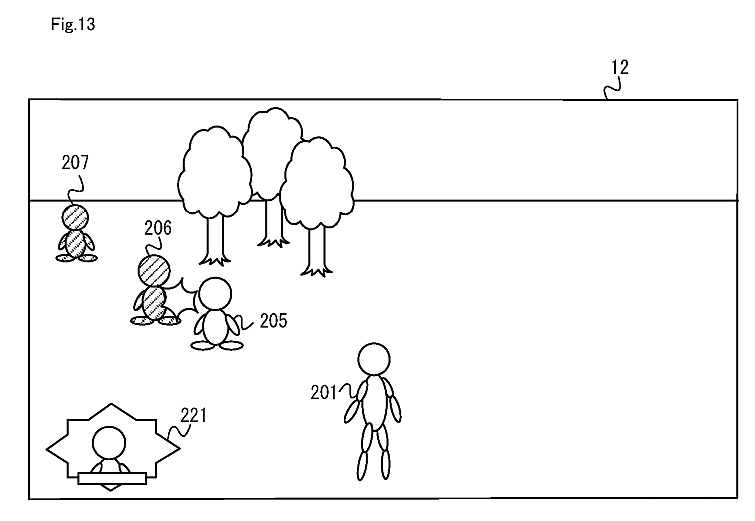
Based on the above language we can rule out fighting games and trading card games, though it is still vague enough to apply to other games. This could hypothetically apply to any monster taming game where the player can freely roam in the world.
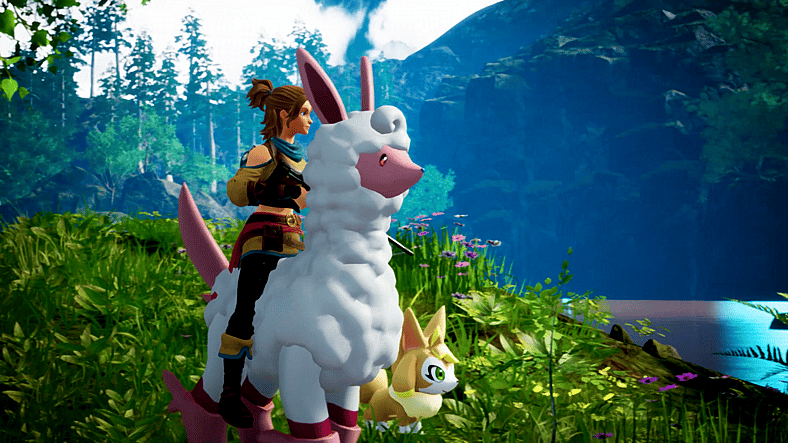
The system has been shown in Pokémon Legends: Z-A, Pokémon Legends: Arceus… and Palworld; the latter allowing players to only control what move a Pal uses if they are riding them, and also to dictate if the creature engages in battle or not. Players also fight alongside their Pal, or can use them as weapons in select cases.
The patent is not currently part of the patent infringement lawsuit Nintendo filed against Pocketpair.

RELATED: 8 Video Games with Complex Crafting Systems
The system also seemingly appears in the upcoming Aniimo, and almost entirely the same as the “DigiAttack” in Bandai Namco’s Digimon Story: Time Stranger — though the battle can automatically be won if the player’s Digimon are strong enough.
Despite how widely the patent could be interpreted — keeping in mind it could apply to Pikmin series for example — Nintendo are unlikely to go to war with every AAA developer who has touched the monster taming genre. Per our prior reports, lawyers feel Nintendo tends to file many patents, and then use them to quash rivals before they can become a threat.

Nintendo also secured another patent (U.S. Patent No. 12,409,387 B2) in regards to their other “smooth switching” patent when riding a creature allowing easy and automatic switching of mounts depending on the terrain. The aforementioned divisional patent effectively amends an already existing application.
While it shouldn’t affect the case against Pocketpair — with Palworld receiving an update that adjust mechanics to not infringe on patents — this could prevent the developer from being able to re-introduce the mechanic in the US, even if they do win the case in Japan. Prior reports on the case included speculation from experts that Nintendo wanted to repeat their case to the US.
Speaking to PC Gamer, video game patent lawyer Kirk Sigmon opined, “Broadly, I don’t disagree with the many online complaints about these Nintendo patents. They have been an embarrassing failure of the US patent system.”
Sigmon also felt there were irregularities in the decisions made by US patent officials, being both the recent update and the original smooth switching had little to no rejection, as “most claims are rejected at least once.” He argues those patents shouldn’t have been granted as they were not novel.
Basically, if someone in the relevant field and prior materials could think to do it, it cannot be patented.
This also applied to the new patent to summon characters to fight, with Sigmon explaining, “the reasons for allowance don’t give us even a hint of why it was allowed: the Examiner just paraphrases the claims (after block quoting them) without explaining why the claims are allowed over the prior art. This is extremely unusual and raises a large number of red flags.”
In this case, “prior art” is where prior games had done what Nintendo had patented. This is half of Pocketpair’s defense as well.
To make matters more suspicious, the United States Patent and Trademark Office (USPTO) seemingly granted that patent with very few supporting documents; reportedly including an article from the official Pokémon website. “I have no earthly idea how the Examiner could, in good faith, allow this application so quickly,” Sigmon despaired.

Sigmon warns, “pragmatically speaking, though, it’s not impossible to be sued for patent infringement even when a claim infringement argument is weak, and bad patents like this cast a massive shadow on the industry,” as the fear of being sued and the exorbitant cost to defend one’s self in court is enough to scare off the competition.
“In my opinion, none of the three patents I’ve discussed here should have been allowed. It’s shocking and offensive that they were,” Sigmon denounces. “The USPTO dropped the ball big time, and it’s going to externalize a lot of uncertainty (and, potentially, litigation cost) onto developers and companies that do not deserve it.”
