
Shonen Jump Editorial Says Social Media Has Led To Rise In Mangaka Who Care More About “Defying Expectations” Than “Entertaining”

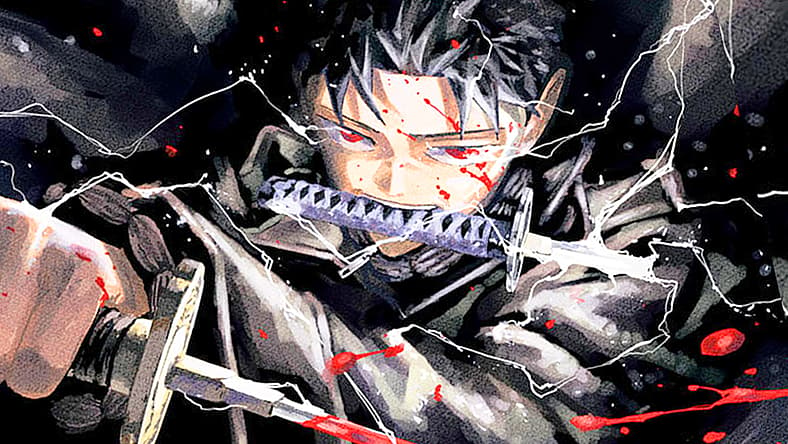
In unfortunately confirming that the recent cancer of ‘subverting expectations just for the sake of it’ has not been limited to Western media, the Shonen Jump editorial board has advised fledgling mangaka that should they really wish to connect with their audience, they must avoid letting their own egos override the medium’s base goal of “entertaining” its readers.
This insight into the current workings of the Japanese manga scene were provided by an unidentified editorial board member in response to a question asked via the open Q&A box featured on the Jump Manga Award homepage, itself an online hub where potential entrants can find any and all details regarding the magazine’s various open submission contests.
Met with an inquiry as to “What does it mean to ‘face the reader’?”, the official account replied (via DeepL), “I think the difference lies in whether the author is drawing solely for their own satisfaction or with a strong focus on entertaining the reader.”
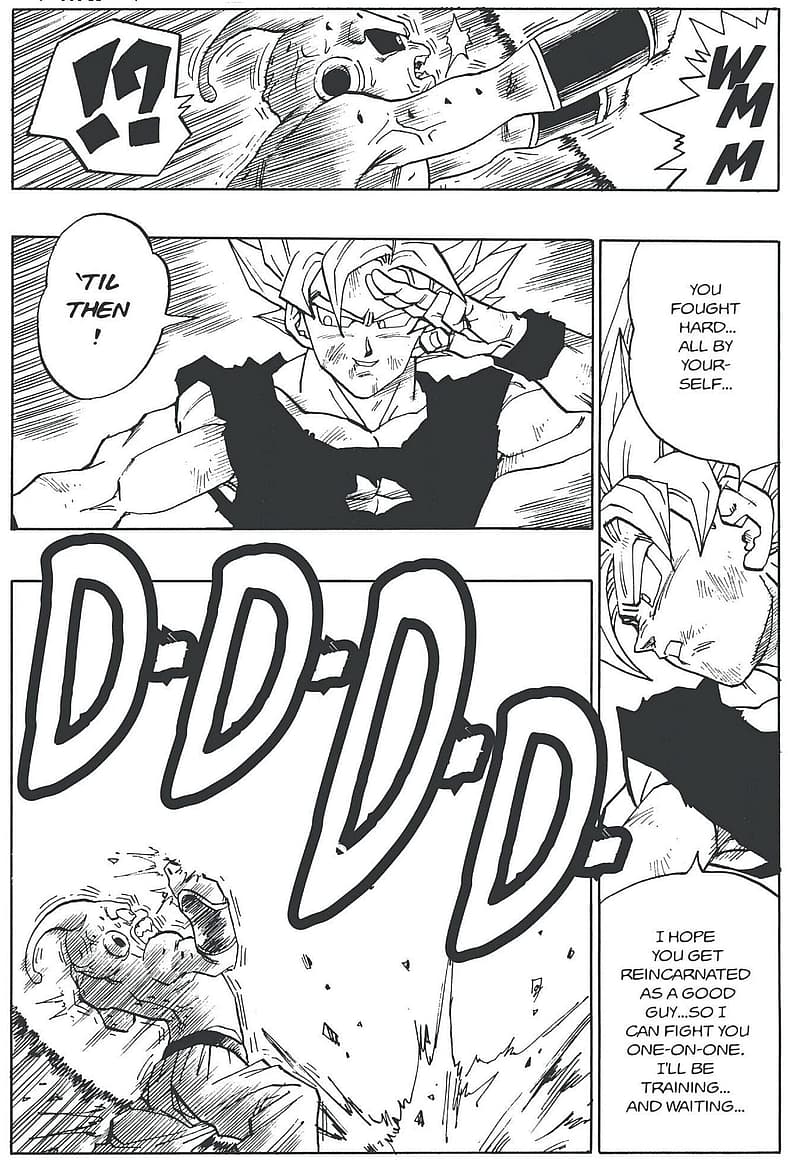
Expanding on their assertion, the editor explained, “With the recent proliferation of social media, we increasingly see instances where creators seem driven by a desire to be perceived as ‘amazing’ by readers—a desire fundamentally divorced from the core purpose of entertaining them. This can manifest as an obsession with ‘defying expectations’ while excessively downplaying the importance of ‘not disappointing expectations.'”
“Of course, a healthy dose of self-satisfaction is necessary. Creating work solely with the intent to entertain readers risks producing something utterly bland, devoid of the author’s unique taste or flavor, which could easily get lost in today’s saturated manga market.”
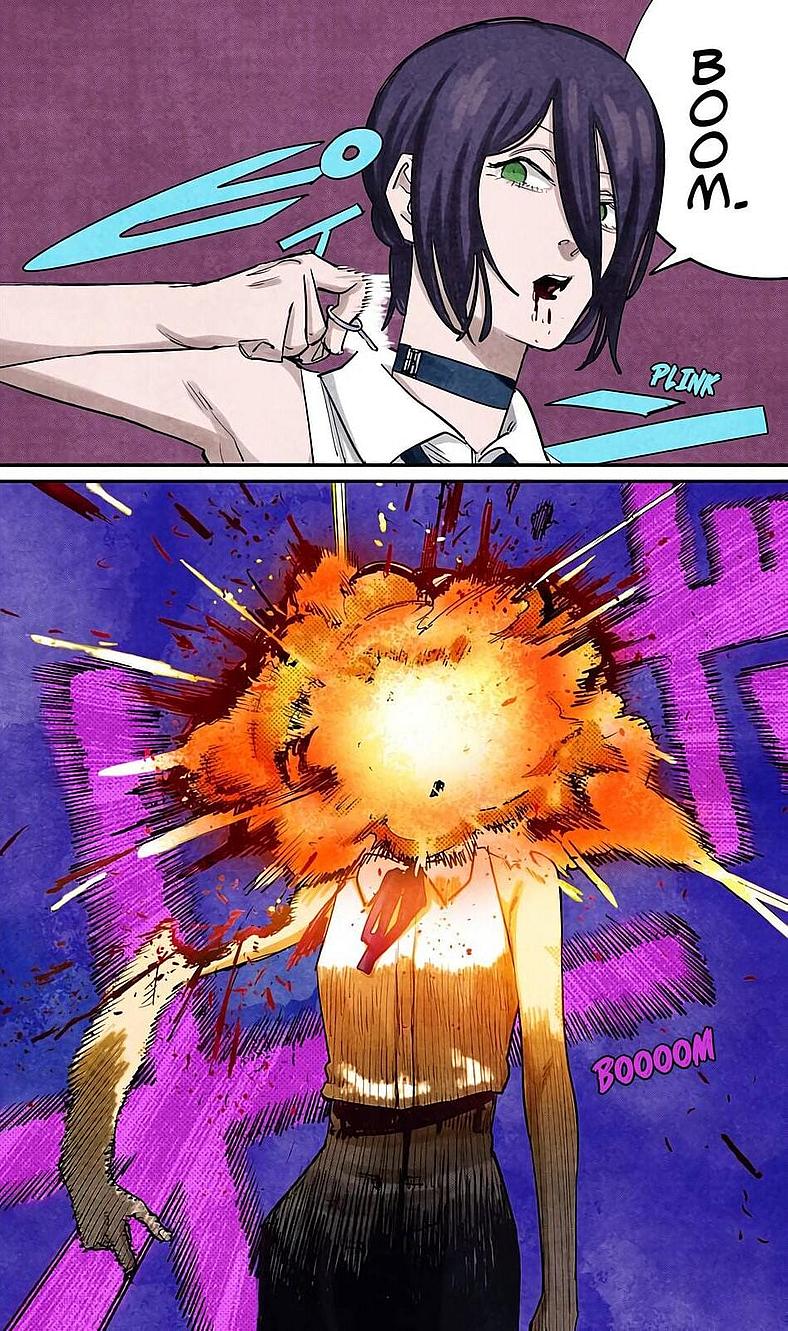
“However, when that self-satisfaction runs wild, and the ‘I’ll show them!’ mentality becomes too strong, resulting in developments that please no reader. While it might be something they’ve never seen before and shock readers in a negative way… it’s a disappointing endpoint that fails to face the reader.”
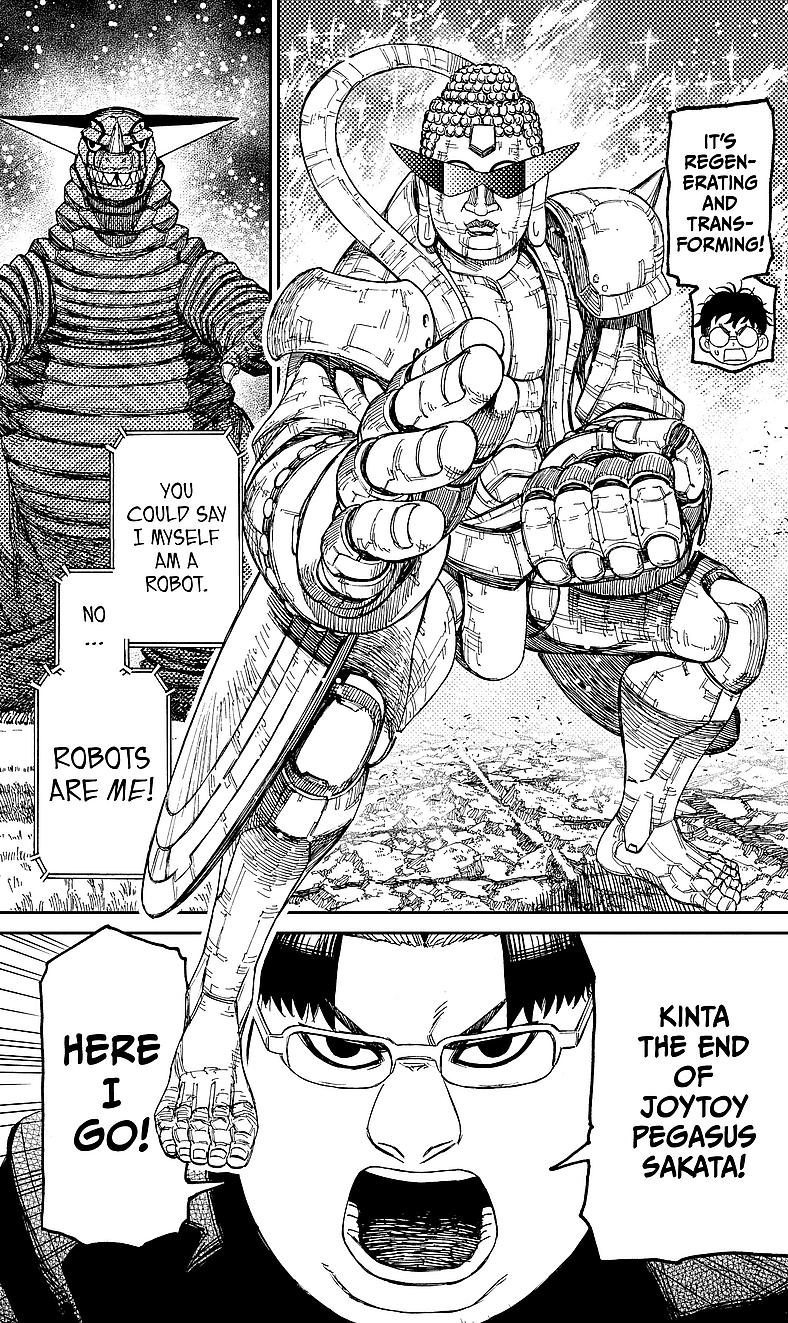
Closing out their answer, the editor finally asserted, “The ultimate ideal is to ‘surpass the reader’s predictions and exceed their expectations.”
“However, for commercial works, the impression is often that ‘if you’re going to disappoint expectations, it’s better not to even surprise them,'” he ultimately concluded. “This is purely my personal view, so I’m sure there are other analyses that differ from this.”
All in all, the advice provided by the Shonen Jump Editorial board is neither new or novel but rather a restating of the age-old principle that commercial creators should make it a point to stick to their creative guns as much as possible, while also taking care to listening to fan feedback and adjusting accordingly and honestly.

Interestingly, the seeming desperation with which the board member shared this advice comes amidst an ongoing turn by Japanese media away from domestic markets and towards those across the globe, as motivated by Japan’s ongoing birth crisis and its resulting reduction in local audiences and customer bases.
Shonen Jump is far from the first Japanese entity to make a pointed call for domestic creators to remember their unique cultural identity, with Frieren: Beyond Journey’s End director Keiichiro Saito and producer Takashi Nakame, Sword Art Online director Tomohiko Itō, and even Neon Genesis Evangelion creator Hideaki Anno having voiced their opposition to chasing such ‘global conformity’.
