
US Patent Office Director Orders “Reexamination” Of Nintendo Patent Of Sub-Character Summoning For Battle

US Patent and Trademark Office Director John A. Squires has ordered an ex parte reexamination — the first time such an order was given in over a decade — of a Nintendo patent. Namely, their patent on summoning a sub-character to battle for players granted just two months prior.
Amid Nintendo’s patent infringement lawsuit against Pocketpair — which has already generated plenty of animosity towards the former in the west — there have been critics of Nintendo being granted the patent to summon a character to fight for you in September. These included video game patent lawyers, and Florian Mueller; IP consultant and writer for Games Fray.
Back in September he declared, “The mere fact that the patent has been granted is bad news for the videogame industry.”
This may explain Mueller’s opening in his latest article. “In a stunning development attributable to the public outrage that started here on games fray and reflecting concern over implications for the reputation of the U.S. patent system as a whole, USPTO [US Patent and Trademark Office] Director John A. Squires has personally ordered, at his own initiative, his organization to take another look at Nintendo’s U.S. Patent No. 12,403,397.”
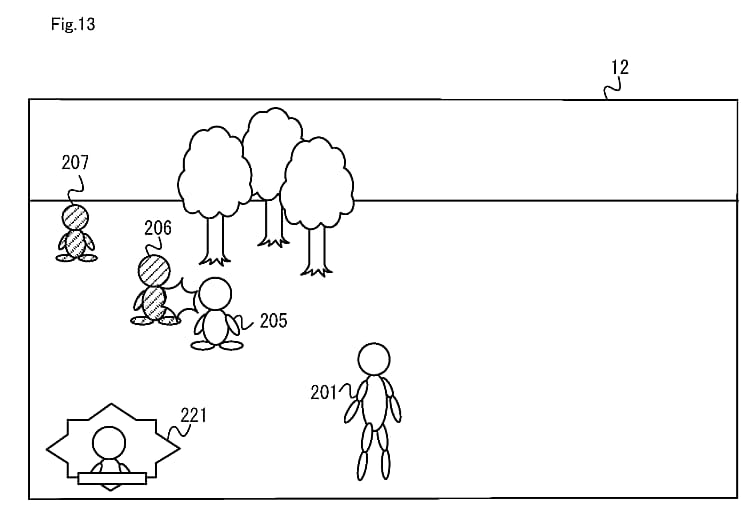
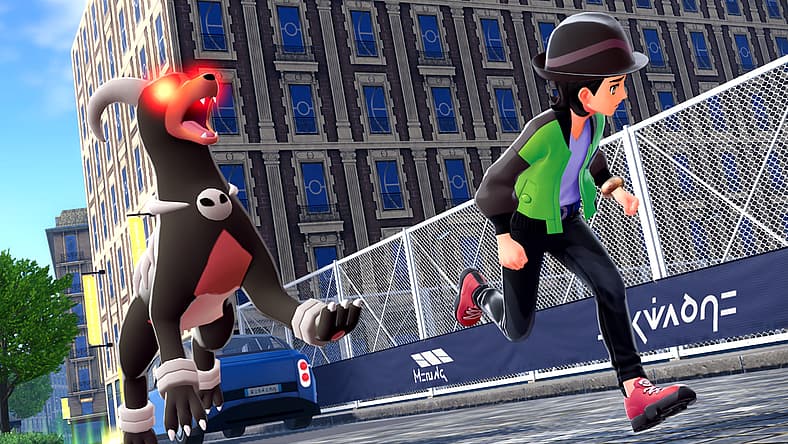
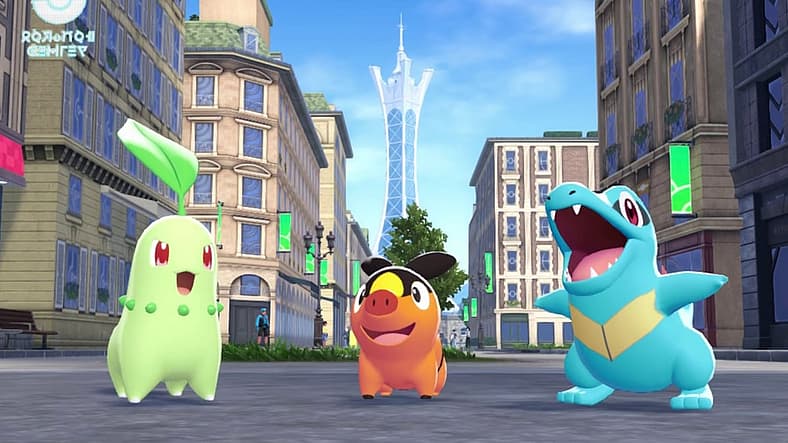
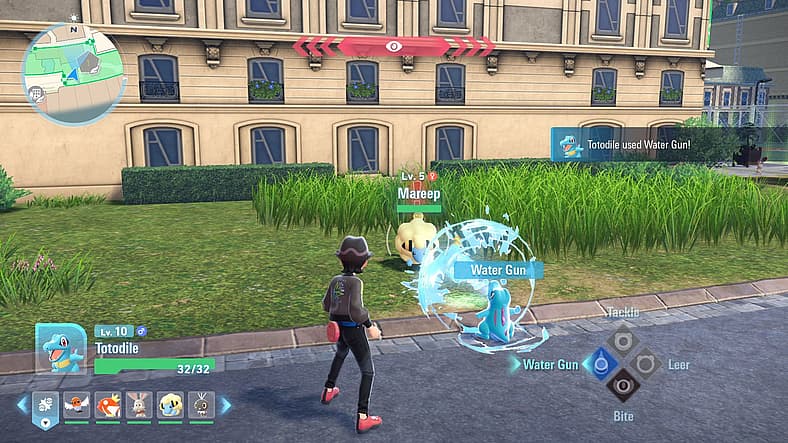
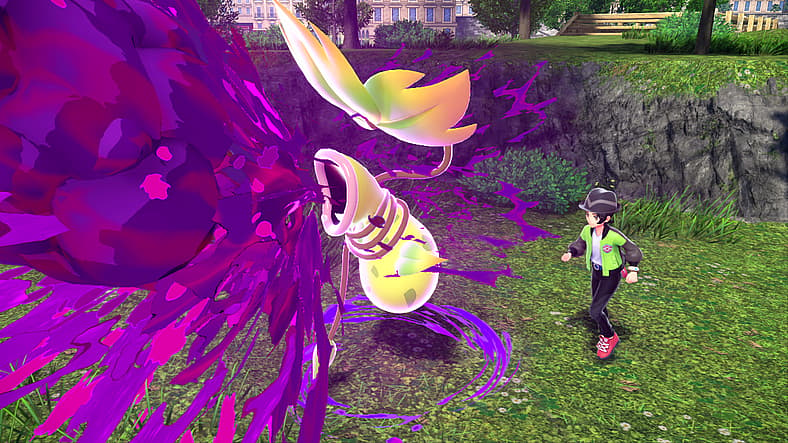
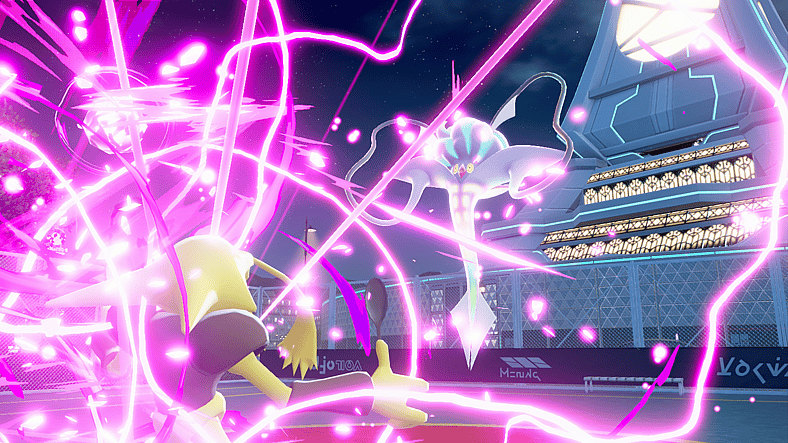
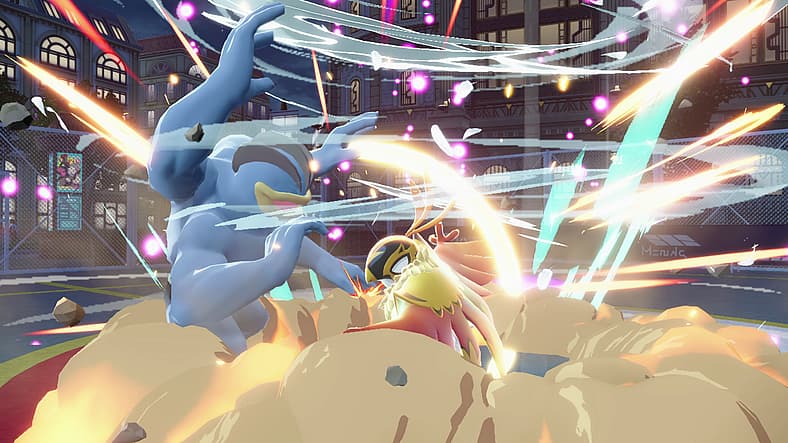
Said patent (assigned to Nintendo, The Pokémon Company, and inventor listed as Pokémon Director and Producer Shigeru Ohmori) regarded the act of summoning a sub-character to fight for the player. In short, if players summon the character near an opponent, they’ll fight.
Players can also instruct the sub-character to move forward, starting battles if they come into contact with foes.
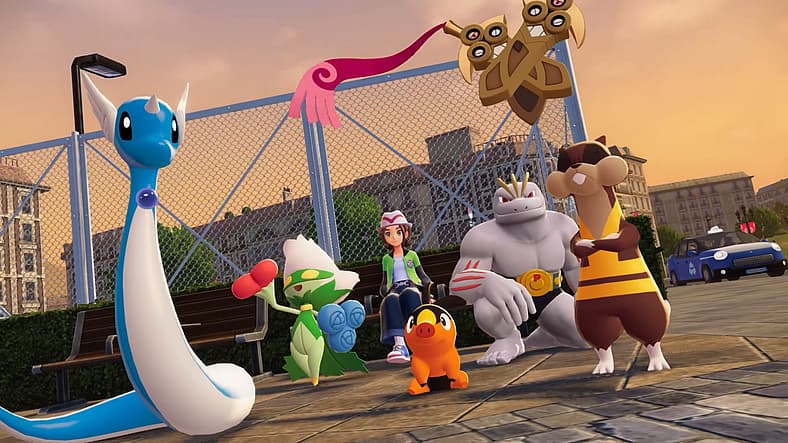
This can be seen in the recent action-based Pokémon games such as Pokémon Legends: Arceus, and Pokémon Legends: Z-A. Similar systems are arguably also in other games, including Pocketpair’s Palworld, which Nintendo is accusing of copying their patents on catching creatures and smoothly switching between different kinds of mounts.
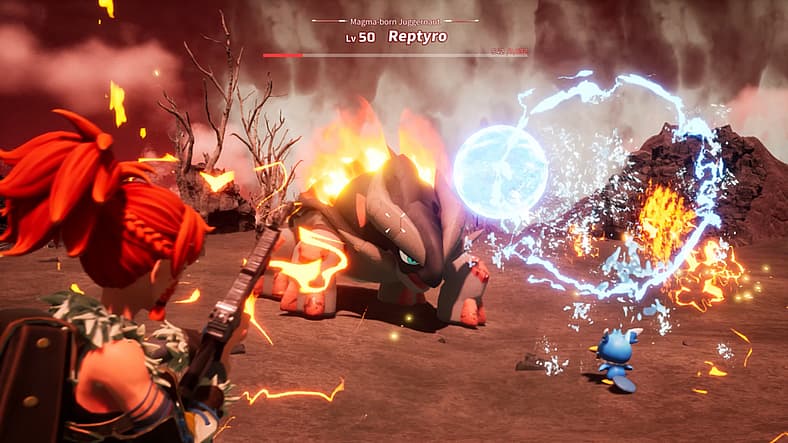
It should be noted Nintendo has been accused of using subsidiary patents to make their patents apply more to how Palworld plays mid-lawsuit, while keeping the date of the original patent that pre-dates its launch. Meanwhile, Pocketpair argues in their defense that there was a litany of “prior art” — cases where other games did those mechanics before the original patent date.
This may be what tipped off the USPTO director, Squires. Mueller describes him as typically trying to defend good patents, having previously criticized the high rate which US patents are invalidated due to repeated challenges. The only other time Squires had reportedly directly acted over a patent was to revive one that had been cancelled, declaring expert testimony unreliable.
“At the same time, Director Squires’s order to have Nintendo’s ‘397 patent reexamined shows that he wants to weed out objectively bad patents,” Mueller theorizes.
In Squires’ ex parte reexamination order, the USPTO director takes issue with four “independent claims” within the Nintendo patent. Patents are made up of claims (single sentences, or single expressions, that explain what has been patented), and while some can stand on their own, others are “dependent” and built upon independent claims.
Without the four independent claims — the only such claims in the Nintendo patent — Mueller reports that “the remaining ones (which depend on those claims) will fall as well,” further noting, “This is a house of cards.” Claims 1, 13, 25 and 26 are too close to existing patents for Squires’ liking.
They are owned by Konami and, as prior art can also include the submitter’s own work, Nintendo themselves.
The Konami patent (dubbed “Yabe” by Squires, as it cites inventors Makoto Yabe et al.) was granted in the US in 2002, twenty-three years before Nintendo’s patent.
Along with a main character, as Squires summarizes it, “a sub character may attack in either an automatic or a manual mode and prefers to attack the closest enemy unless manually overridden.”
This sub-character also follows the main character, and the player learns controls and commands associated with the sub character. All of the above affect all four of the independent claims of the ‘397 patent.
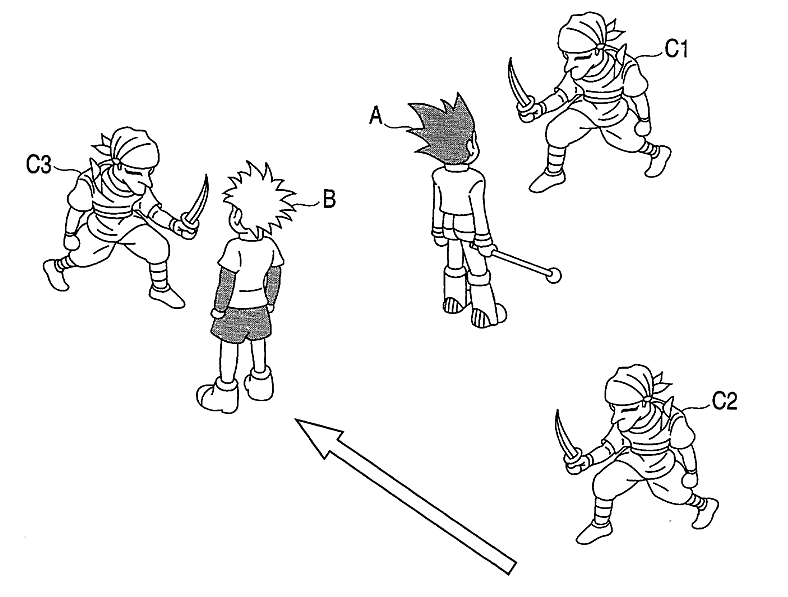
As an aside, the patent appears to be for Konami’s Hunter × Hunter: Altar of Dragon Vein (which launched in 2001, when patent was originally filed in Japan). The game seems to have mechanics as described above, and the patent’s figures even depict Gon Freecss, Killua Zoldyck, and the goblin-like bandits players fight as one of their first battles.
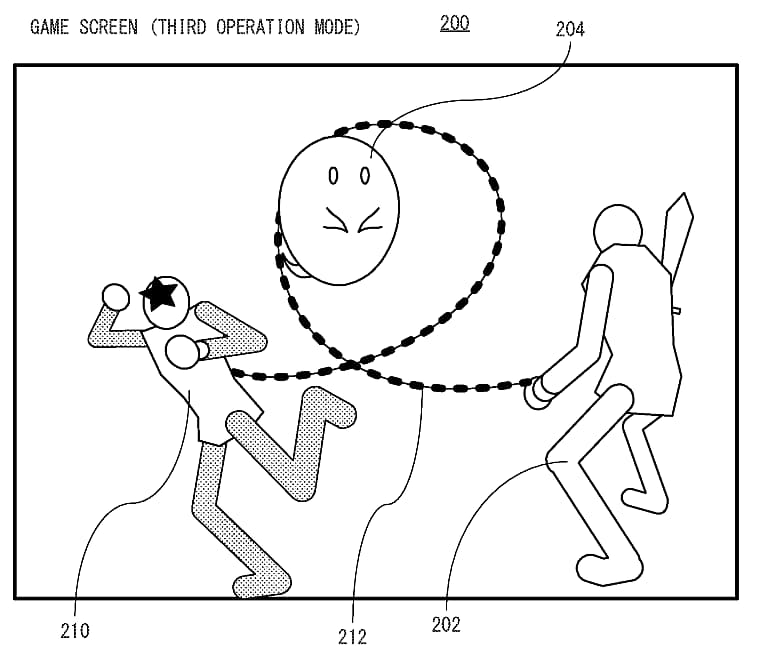
The second patent Squires notes is held by Nintendo themselves (dubbed “Taura” as the inventors are Takahashi Taura et al.), and filed in 2019.
Squires highlights how it patents summoning “a sub character that may battle in either an automatic or a manual mode. When there is no enemy character in the sub character’s location, the sub character automatically follows the main character and attacks enemies that appear.”
RELATED: Netflix Reportedly Producing ‘Crash Bandicoot’ Animated Series
Again, these claims affect the four claims in Nintendo’s ‘397 patent, giving the impression Nintendo has tried to file very similar patents twice.
Nintendo’s older patent was filed in 2019, and based on the image of two figures joined by a “chain” and wrapping it around a foe, it appears to be for 2019’s Astral Chain. Nintendo published the game, though PlatinumGames was the developer and (funding development aside) independent of Nintendo.
Squires concludes that there are issues due to the examiner not finding prior art. “As explained above, each of Yabe and Taura teaches a player being allowed to perform a battle in a manual mode and in a simpler, automatic mode.”
“Thus, a reasonable examiner would consider each of Yabe and Taura to be important in deciding whether the claims are patentable, and Yabe and Taura each raises a substantial new question of patentability,” Squires condemns.
So what now? Muller reports that Nintendo have two months to respond, during which time if — hypothetically — they wanted to sue someone over infringing the ‘397 patent in a US court, a Judge would likely want to wait and see the outcome of the reexamination.
Muller also emphasizes that even a reexamination initiated by the Director can still end up with the patent upheld, though speculates it will be revoked. It should be noted that during the two month period, third parties can also present other prior art that may be relevant.
Just last month, the Japanese Patent Office rejected a Nintendo patent due to third parties submitting prior art. Mueller proposed at the time this could have been Pocketpair, as the rejection has ultimately undermined Nintendo’s case against them, and the games cited were listed in their defense.
Both he, and we, emphasize there is no evidence of Pocketpair bring up prior art in anything but their lawsuit.
In a similar vein, Muller also proposes this reevaluation by the US Patent Office “further undermines the credibility of Nintendo’s patent assertions against Palworld.” It can be assumed that if (as theorized) Nintendo is aiming to repeat their Japanese patent case against Pocketpair in the US market, this would undermine that effort.
NEXT: Sony CEO Says ‘No’ To Buying Warner Bros. Discovery, Would Rather Focus On “Global Market For Anime”
